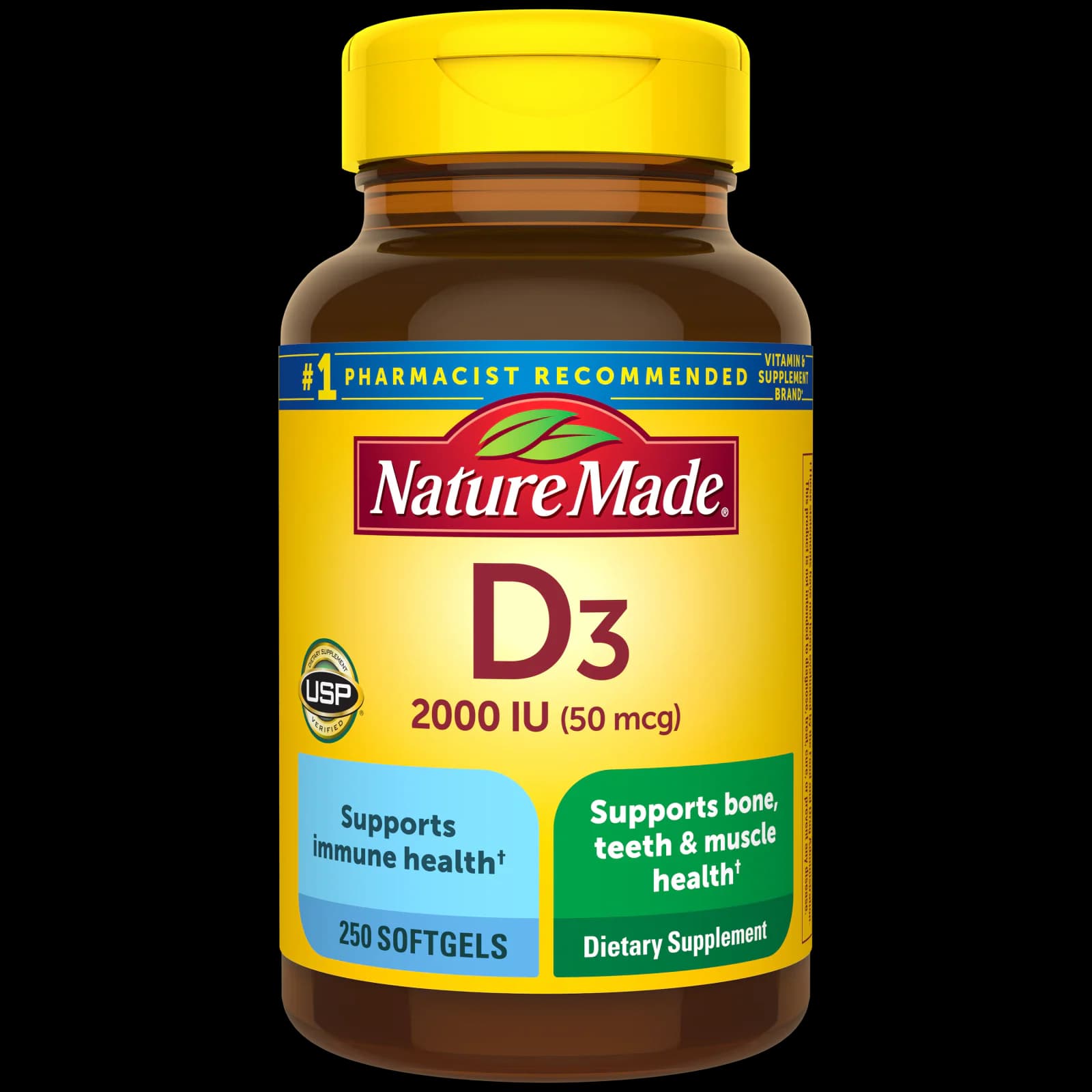
Best Overall
Nature Made
Vitamin D3 2000 IU Softgels
9.0Excellent
A USP Verified 2,000 IU vitamin D3 softgel in soybean oil for about 6 cents a day, the no-frills benchmark for daily vitamin D.
USP
4 videos ShopVitamins & Minerals

1,000 mg of vitamin C with rose hips in a sustained-release tablet for about 6 cents a day; far more than most people need, but cheap and cleanly made.
Good
Nutrition Reviews score
Weighted across efficacy, quality, value, experience & transparency. See breakdown
We may earn a commission when you buy through these links — it never affects our scores. How we make money
Last reviewed September 29, 2026 by the Nutrition Reviews Editorial Team · How we review
Our verdict
An inexpensive, well-made way to take 1,000 mg of vitamin C a day from a manufacturer with solid quality systems. Most people get enough vitamin C from food, so it suits heavy exercisers, smokers and people with low fruit and vegetable intake best; others can take it less often.
Best for
Skip it if
Our five-factor score out of 10. Factors are weighted by how much they matter to the outcome you’re paying for. Methodology
out of 10
Key ingredients at clinically studied doses, and how strong the evidence is.
Third-party testing and certifications, manufacturing standards, contaminant testing, recall history.
Cost per effective serving compared with category peers.
Taste, mixability, texture and tolerability from aggregated buyer and creator feedback.
Full label disclosure (no proprietary blends), available COAs, honest marketing.
NOW Vitamin C-1000 Sustained Release is a long-running value staple: each tablet provides 1,000 mg of vitamin C as ascorbic acid (1,111% of the Daily Value) plus 25 mg of rose hips powder, in a coated tablet designed to release over an extended period. A 250-tablet bottle costs $15.67, about 6 cents a day, and the formula is vegan, kosher and halal, made without gluten, soy, dairy or nuts in a GMP-certified facility.
The dose is far more than most people need. The adult RDA is 90 mg for men and 75 mg for women (plus 35 mg for smokers), and NIH notes that absorption falls below 50% at intakes above 1 gram a day, with the excess excreted in urine. One tablet still sits well below the 2,000 mg upper limit, and higher intakes mainly risk digestive upset such as diarrhea and cramps. The label promises extended release but does not tie it to any clinical outcome, and 25 mg of rose hips adds little.
The evidence for vitamin C supplements is specific. According to NIH, regular intakes of at least 200 mg a day may reduce colds in people under heavy physical stress or cold exposure and modestly shorten colds in the general population, but starting vitamin C after symptoms begin does not appear to help. People with a history of kidney stones or kidney disease should talk to a clinician first, because high intakes can raise urinary oxalate.
Reviewers value the price and the size of the bottle. The main complaints are practical: a large oval tablet and a noticeable vitamin smell compared with capsule-based competitors.
| Key ingredient | Per serving | Why it matters |
|---|---|---|
| Vitamin C (as ascorbic acid) 1,111% DV; half the 2,000 mg adult upper limit, though absorption falls below 50% above 1 g a day. | 1,000 mg | 1,111% DV; half the 2,000 mg adult upper limit, though absorption falls below 50% above 1 g a day. |
| Rose hips powder (Rosa canina, fruit) A small botanical addition; contributes little vitamin C at this amount. | 25 mg | A small botanical addition; contributes little vitamin C at this amount. |
Supplement Facts
Serving Size 1 Tablet
Servings Per Container 250
* Percent Daily Values are based on a 2,000 calorie diet. † Daily Value not established.
Other ingredients: Microcrystalline Cellulose, Hypromellose (cellulose), Hydroxypropyl Cellulose, Vegetarian Coating [hypromellose (cellulose), stearic acid (vegetable source), sunflower lecithin, triethyl citrate, sunflower oil] and Magnesium Stearate (vegetable source).
Not manufactured with wheat, gluten, soy, milk, egg, fish, shellfish, tree nut or sesame ingredients. Produced in a GMP facility that processes other ingredients containing these allergens.
Testing & quality
NOW says its in-house laboratories are ISO/IEC accredited and that its manufacturing holds a third-party GMP certification (Intertek badge on product pages); some products carry Informed Sport, but its C-1000 has no USP or NSF certification.
Goals it supports
Independent creators reviewing Vitamin C-1000 Sustained Release on TikTok and YouTube.
What we like
Watch-outs
Similar products, ranked by our score.
Nature Made
A USP Verified 2,000 IU vitamin D3 softgel in soybean oil for about 6 cents a day, the no-frills benchmark for daily vitamin D.
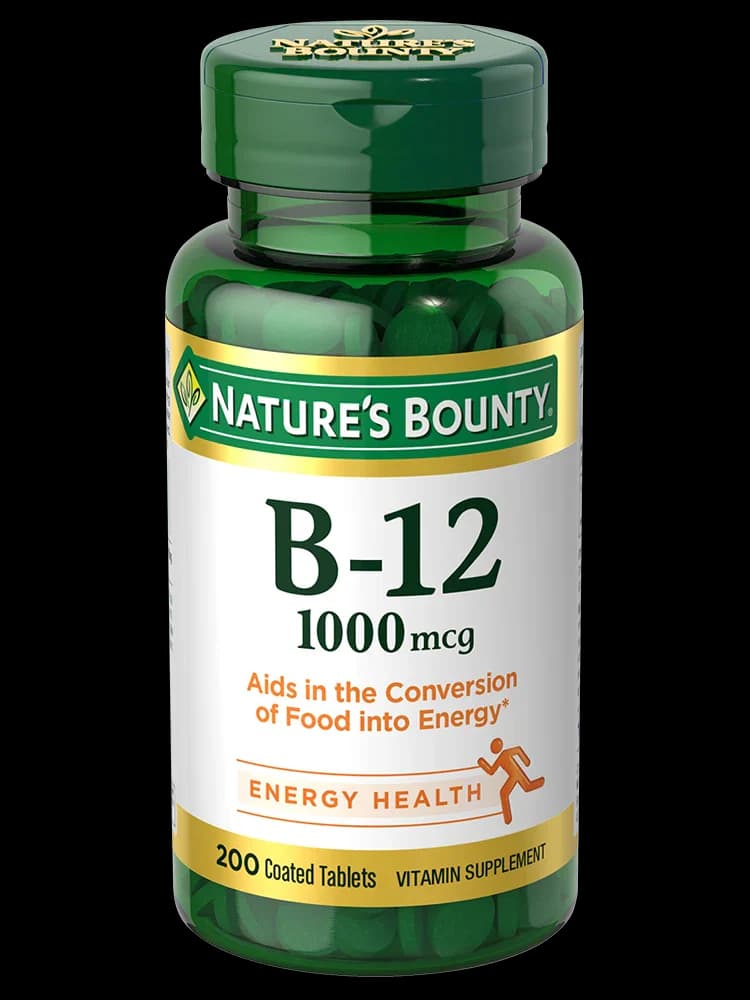
Nature's Bounty
A best-selling 1,000 mcg cyanocobalamin tablet at about 5 cents a day; small and easy to swallow, with no third-party seal.

Thorne
A small, NSF-certified 15 mg zinc picolinate capsule dosed near the RDA; TikTok-famous for skin anecdotes, and best paired with copper for long-term use.

Sports Research
Amazon's top D3+K2 pick: vegan lichen D3 plus MK-7 K2 in coconut MCT oil; the 5,000 IU dose exceeds the adult upper limit for daily use.
Most people don't need electrolyte powders, but some do. Learn how much sodium you lose in sweat, how oral rehydration works, and when a high-sodium mix makes sense.
Nutrition Reviews Editorial Team · Sep 28, 2026
Serving sizes, %DV vs. upper limits, ingredient forms, proprietary blends and claims: a step-by-step method for reading any Supplement Facts panel with confidence.
Nutrition Reviews Editorial Team · Sep 28, 2026

Glycinate, citrate or L-threonate? Compare elemental magnesium, absorption and gut effects, plus what research shows for sleep, anxiety, constipation and migraine.
Nutrition Reviews Editorial Team · Sep 28, 2026