
#1 Best Overall
Transparent Labs
BULK Pre-Workout
8.5Excellent
A fully transparent, Informed Choice-certified pre-workout with 8 g citrulline malate, 4 g beta-alanine and a moderate 200 mg of natural caffeine.
Informed Choice
5 videos$1.67/serving
Caffeine, citrulline and beta-alanine: what works, what's hype, how to dose
Top picks
Transparent Labs
A fully transparent, Informed Choice-certified pre-workout with 8 g citrulline malate, 4 g beta-alanine and a moderate 200 mg of natural caffeine.
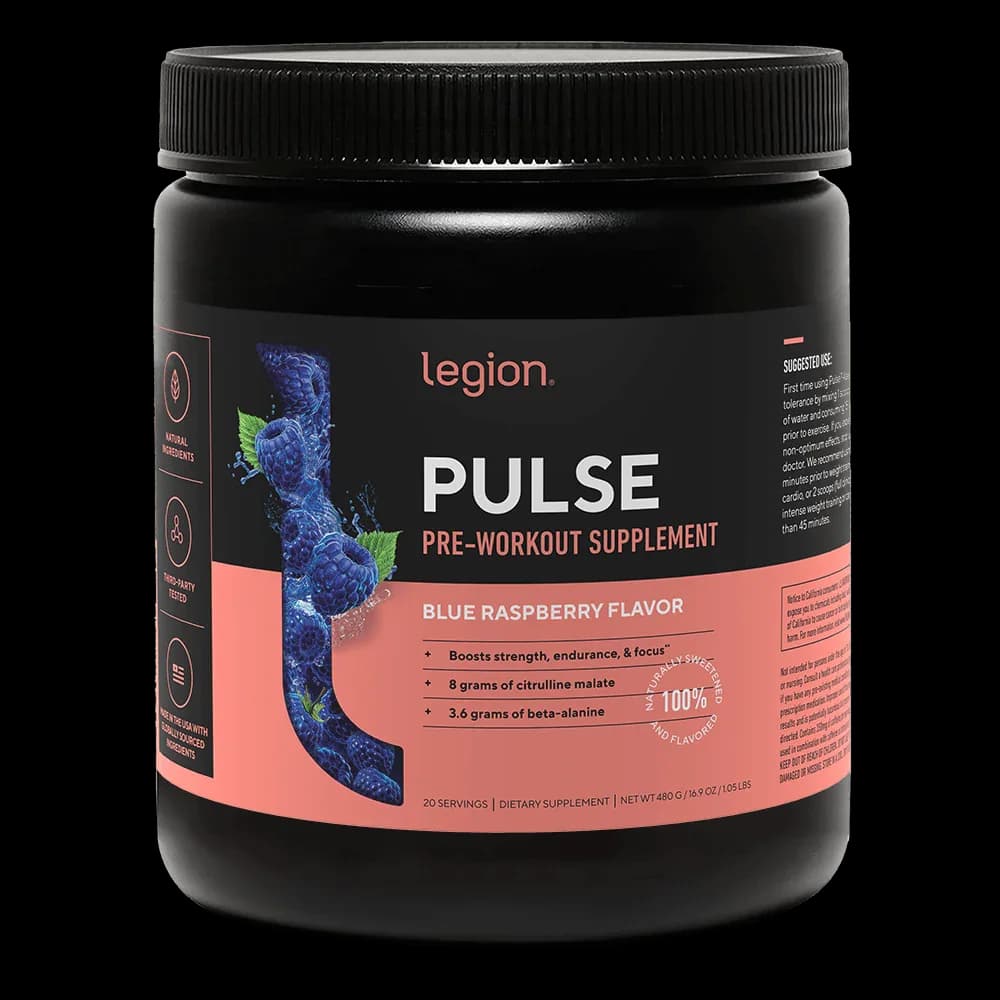
Legion
Fully dosed and naturally sweetened: 8 g citrulline malate, 3.6 g beta-alanine and a hefty 350 mg of caffeine balanced by 350 mg of L-theanine.

Gorilla Mind
One of the most heavily dosed pre-workouts: per scoop 5 g citrulline, 2.5 g creatine and 200 mg caffeine, doubling to 400 mg caffeine at the 2-scoop max.
The essentials
Pre-workout supplements are powders or drinks taken 15–60 minutes before training to increase energy, focus, endurance and "pump". Almost all are built around caffeine, often combined with beta-alanine, citrulline, betaine, creatine and nootropics such as L-tyrosine or alpha-GPC.
Caffeine carries most of the evidence. The International Society of Sports Nutrition concludes that 3–6 mg per kg of body weight consistently improves many kinds of exercise performance, from muscular endurance to sprinting, although responses vary between people. Beta-alanine helps high-intensity efforts lasting roughly one to four minutes, but only when taken daily (about 4–6 g) for several weeks; the tingling it causes is harmless. Evidence for citrulline is weaker: a 2026 meta-analysis of 30 trials found only a small, uncertain benefit from citrulline malate.
That makes the most important label details the caffeine dose, whether key ingredients reach researched amounts, and whether doses are hidden in proprietary blends. Pre-workouts suit healthy adults who train hard and tolerate stimulants, but they are not required for results. Anyone who is pregnant, under 18, sensitive to caffeine or taking medications should be cautious.
Every product
8 products
Transparent Labs
A fully transparent, Informed Choice-certified pre-workout with 8 g citrulline malate, 4 g beta-alanine and a moderate 200 mg of natural caffeine.
Legion
Fully dosed and naturally sweetened: 8 g citrulline malate, 3.6 g beta-alanine and a hefty 350 mg of caffeine balanced by 350 mg of L-theanine.
Gorilla Mind
One of the most heavily dosed pre-workouts: per scoop 5 g citrulline, 2.5 g creatine and 200 mg caffeine, doubling to 400 mg caffeine at the 2-scoop max.
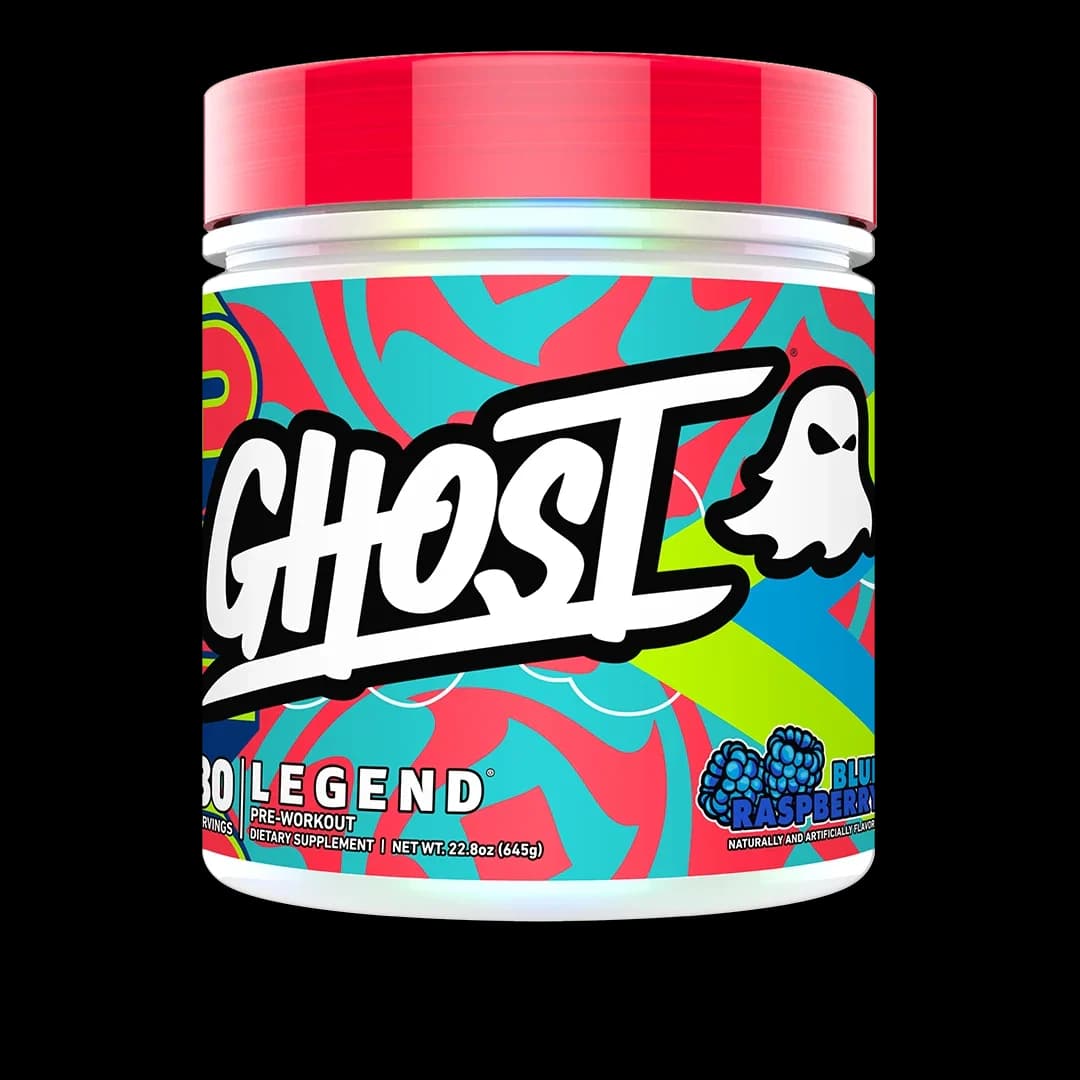
A fully disclosed, clinically dosed pre-workout (300 mg caffeine, 6 g citrulline, 3.2 g beta-alanine) wrapped in GHOST's popular licensed candy flavors.

An Informed Sport-certified, vegan pre-workout with 274 mg natural caffeine and 6.5 g citrulline, though its beta-alanine and creatine are under-dosed.

RYSE
A TikTok Shop best-seller with solid citrulline and beta-alanine doses and licensed candy flavors, but caffeine ranges from 300 to 390 mg by flavor.
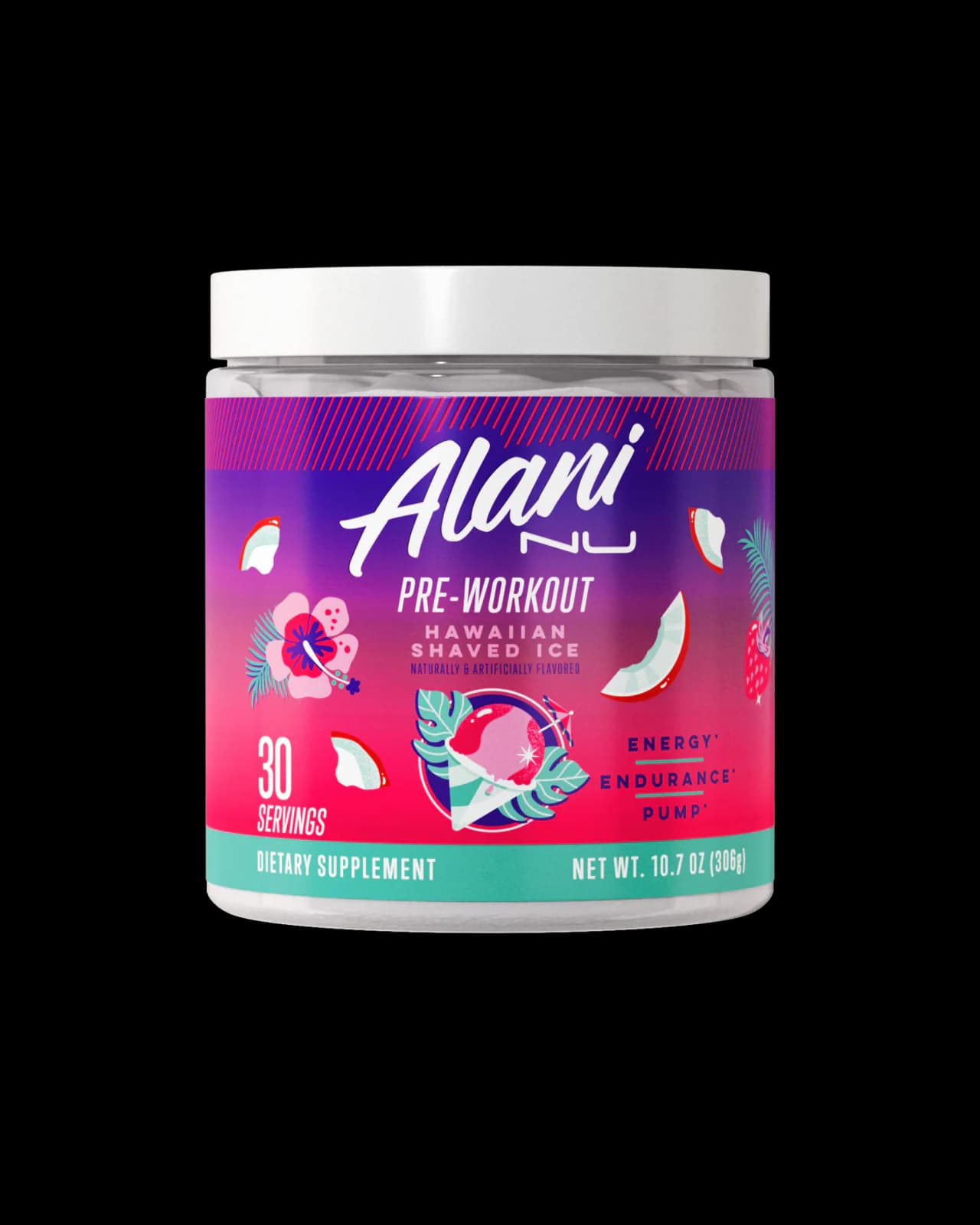
Alani Nu
A flavor-first, beginner-friendly pre-workout with 200 mg caffeine and 200 mg L-theanine; its pump and endurance ingredients are lightly dosed.

Cellucor
America's best-known budget pre-workout: 200 mg caffeine and great flavors, but beta-alanine, citrulline and creatine all sit below research doses.
Buying guide
The five things we look at first — and what they mean for you.
Most pre-workouts contain 150–400 mg of caffeine per serving, and some reach more with a second scoop. Research supports roughly 3–6 mg per kg of body weight, which is about 200–400 mg for a 70 kg adult. Count coffee and energy drinks too: the FDA cites about 400 mg a day as an amount not generally associated with negative effects in healthy adults.
Check each active ingredient against studied amounts: beta-alanine around 3.2–6.4 g daily, citrulline malate 6–8 g (or roughly 3–6 g of pure L-citrulline), betaine about 2.5 g and creatine 3–5 g per day. Many popular products include these ingredients at a fraction of those doses, which looks impressive on the front of the tub but does little in the gym.
A proprietary blend lists one total weight for several ingredients without showing each dose. That makes it impossible to judge whether the formula is effective, and it often hides small amounts of expensive ingredients. Many brands now disclose every dose on the label; if a product doesn't, treat that as a meaningful strike against it.
Supplements are not approved by the FDA before they are sold, so third-party testing matters, especially for drug-tested athletes. Look for NSF Certified for Sport or Informed Sport and Informed Choice, then confirm the exact product on the certifier's website. Published certificates of analysis are a useful extra, but they are not a banned-substance certification.
A $30 tub can be worse value than a $50 one if its doses are too small to matter or if you need two scoops to reach an effective amount. Divide the price by servings, then adjust for how many scoops you actually use and whether key ingredients are fully dosed. Flavor and sweeteners matter too, since you will drink it several times a week.
Head to head
Ingredients
Video reviews
Key sources
Learn
Serving sizes, %DV vs. upper limits, ingredient forms, proprietary blends and claims: a step-by-step method for reading any Supplement Facts panel with confidence.
Nutrition Reviews Editorial Team · Sep 28, 2026
Caffeine dosing by body weight, plus what research says about creatine, beta-alanine, citrulline, nitrates, tyrosine, proprietary blends and stimulant safety.
Nutrition Reviews Editorial Team · Sep 28, 2026
What USP, NSF and Informed Sport seals actually test, how to verify a certification in two minutes, how to read a certificate of analysis, and where testing stops.
Nutrition Reviews Editorial Team · Sep 28, 2026
Minimum score