Skip to content
Nutrition ReviewsNutrition Reviews — home
Category

Protein Powder

Whey, casein and plant proteins compared on dose, testing, taste and value

Products scored
13
Average score
8.1
Video reviews
57

Top picks

Our favorite protein powder

Full ranked guide
Front of Transparent Labs Grass-Fed 100% Whey Protein Isolate Milk Chocolate 30-serving tub
#1 Best Overall
8.8Excellent

A grass-fed whey isolate with 28 g of protein per scoop, stevia instead of artificial sweeteners, and NSF Certified for Sport status.

NSF SportInformed Choice
5 videos$2.17/serving
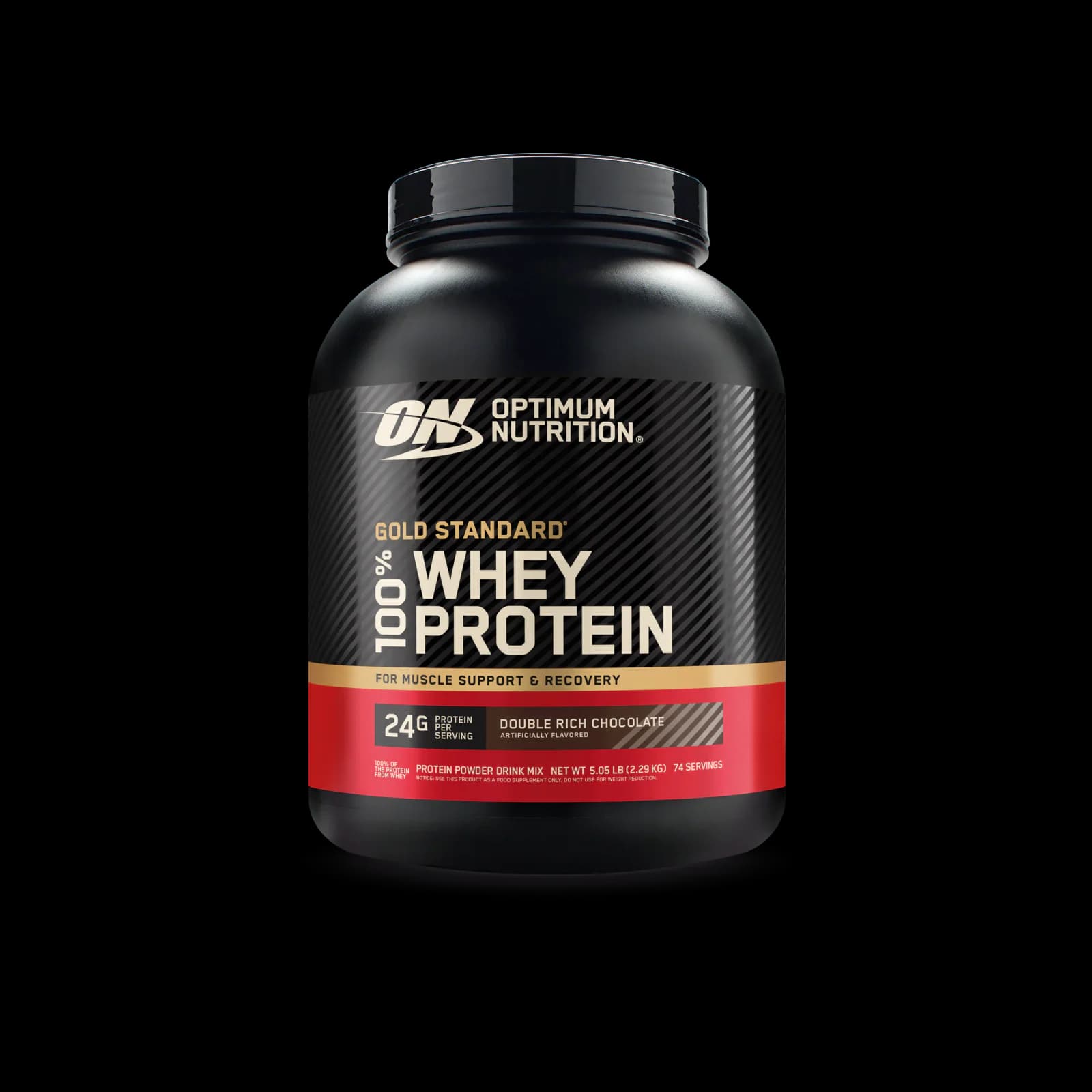
Front of Optimum Nutrition Gold Standard 100% Whey Double Rich Chocolate 5.05 lb tub
#2

Optimum Nutrition

Gold Standard 100% Whey

8.7Excellent

The benchmark whey blend: 24 g of protein per 120-calorie scoop, Informed Choice certified, and a flavor lineup few rivals can match.

Informed Choice
5 videos ShopProtein Powder
Front of Dymatize ISO100 Hydrolyzed Gourmet Chocolate 20-serving tub
#3

An all-isolate whey with a hydrolyzed fraction: 25 g protein and about 2.7 g leucine per 120-calorie scoop, with Informed Choice testing.

Informed Choice
5 videosProtein Powder

The essentials

What to know about protein powder

Protein powder is a concentrated, convenient source of protein, usually made from milk (whey or casein) or from plants such as pea, rice and pumpkin seed. It does nothing that food cannot do, but it makes a daily protein target easier to hit, especially for people who train hard, eat on the go or follow plant-based diets.

The evidence behind it is solid. A 2018 meta-analysis of 49 randomized trials found that protein supplementation modestly increased gains in strength and fat-free mass during resistance training, with little extra benefit once total intake passed about 1.6 g per kilogram of body weight per day. The International Society of Sports Nutrition recommends 1.4 to 2.0 g/kg/day for most exercising people, in doses of roughly 20 to 40 g spread every three to four hours, and notes that 30 to 40 g of casein before sleep can raise overnight muscle protein synthesis.

What separates a good powder from a mediocre one is rarely the marketing. It comes down to protein and leucine per scoop, third-party testing, sweeteners and additives, and price per serving, which are the factors our reviews focus on.

Every product

All protein powder we’ve reviewed

13 products

Front of Transparent Labs Grass-Fed 100% Whey Protein Isolate Milk Chocolate 30-serving tub
Best Overall
8.8Excellent

A grass-fed whey isolate with 28 g of protein per scoop, stevia instead of artificial sweeteners, and NSF Certified for Sport status.

NSF SportInformed Choice
5 videos$2.17/serving
Front of Optimum Nutrition Gold Standard 100% Whey Double Rich Chocolate 5.05 lb tub

Optimum Nutrition

Gold Standard 100% Whey

8.7Excellent

The benchmark whey blend: 24 g of protein per 120-calorie scoop, Informed Choice certified, and a flavor lineup few rivals can match.

Informed Choice
5 videos ShopProtein Powder
Front of Dymatize ISO100 Hydrolyzed Gourmet Chocolate 20-serving tub

An all-isolate whey with a hydrolyzed fraction: 25 g protein and about 2.7 g leucine per 120-calorie scoop, with Informed Choice testing.

Informed Choice
5 videosProtein Powder
Front of Legion Whey+ Dutch Chocolate 30-serving bag
Trending

A naturally sweetened whey isolate from Truly Grass Fed-certified Irish milk, with Labdoor certification and batch lab reports linked online.

NSF Contents3rd-party tested+1
5 videos ShopProtein Powder
Front of Optimum Nutrition Gold Standard 100% Casein Chocolate Supreme 3.97 lb tub
Best Value

Optimum Nutrition

Gold Standard 100% Casein

8.1Good

A slow-digesting micellar casein with 24 g of protein per scoop for bedtime or long gaps between meals; thick, filling and fairly priced.

3 videos ShopProtein Powder
Front of Garden of Life Sport Organic Plant-Based Protein Vanilla tub

A 30 g vegan protein built for athletes: organic pea and bean proteins, NSF Certified for Sport, plus recovery botanicals and a probiotic.

NSF SportOrganic+2
3 videosProtein Powder
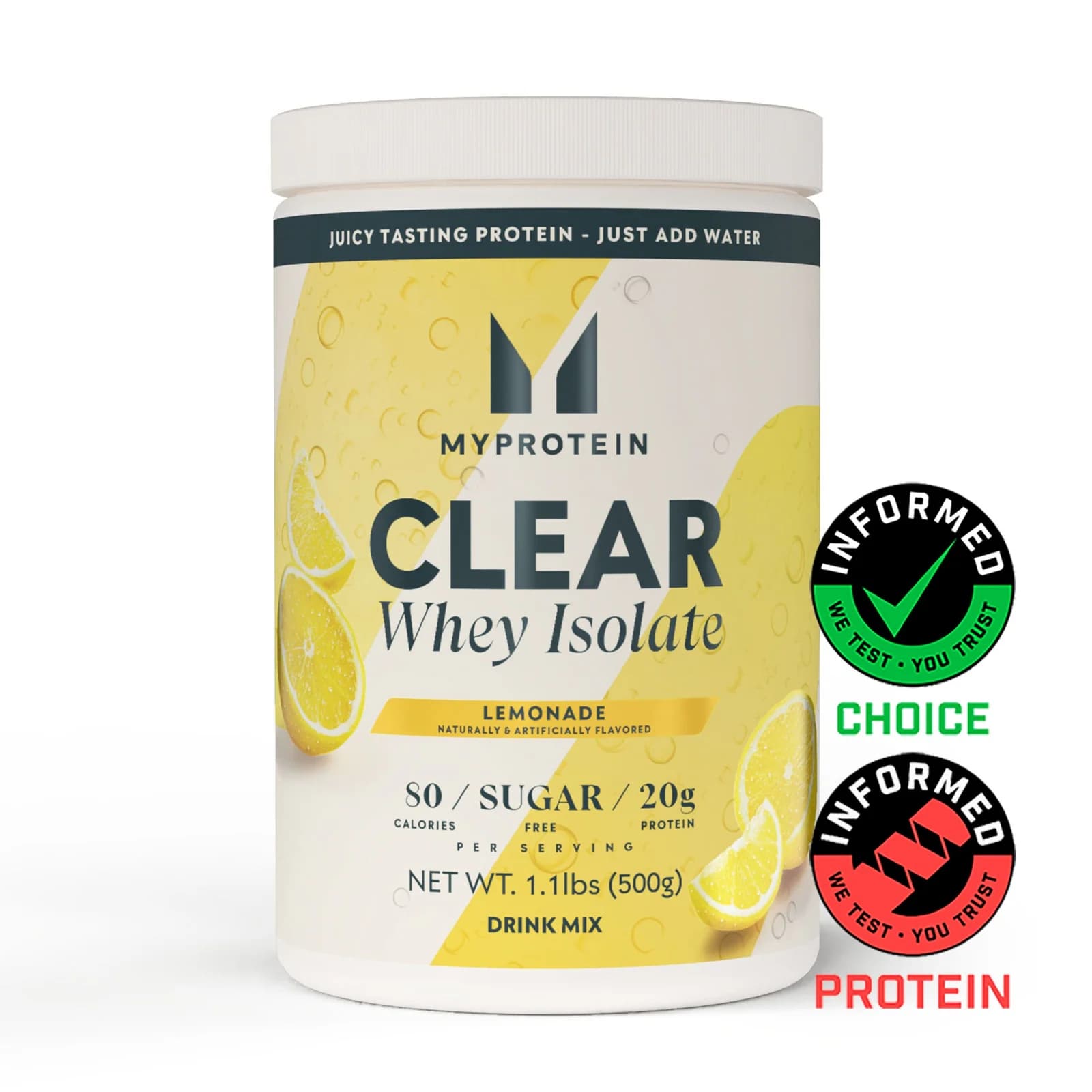
Front of Myprotein Clear Whey Isolate Lemonade 1.1 lb tub with Informed Choice and Informed Protein marks
Trending
8.0Good

Juice-style clear whey: 20 g protein in an 80-calorie, sugar-free scoop with Informed Choice certification, though foaming and flavor split reviews.

Informed Choice
5 videos ShopProtein Powder
Front of Momentous Whey Protein Isolate Vanilla 25-serving jar

A premium grass-fed whey isolate with 20 g of protein per 90-calorie scoop, NSF Certified for Sport status and a short, gum-free ingredient list.

NSF Sport
5 videos$2.40/serving
Front of Naked Whey unflavored grass-fed whey protein 5 lb tub

A one-ingredient grass-fed whey concentrate: 25 g protein per 30 g serving with no sweeteners or additives; plain-tasting and best blended.

5 videos ShopProtein Powder
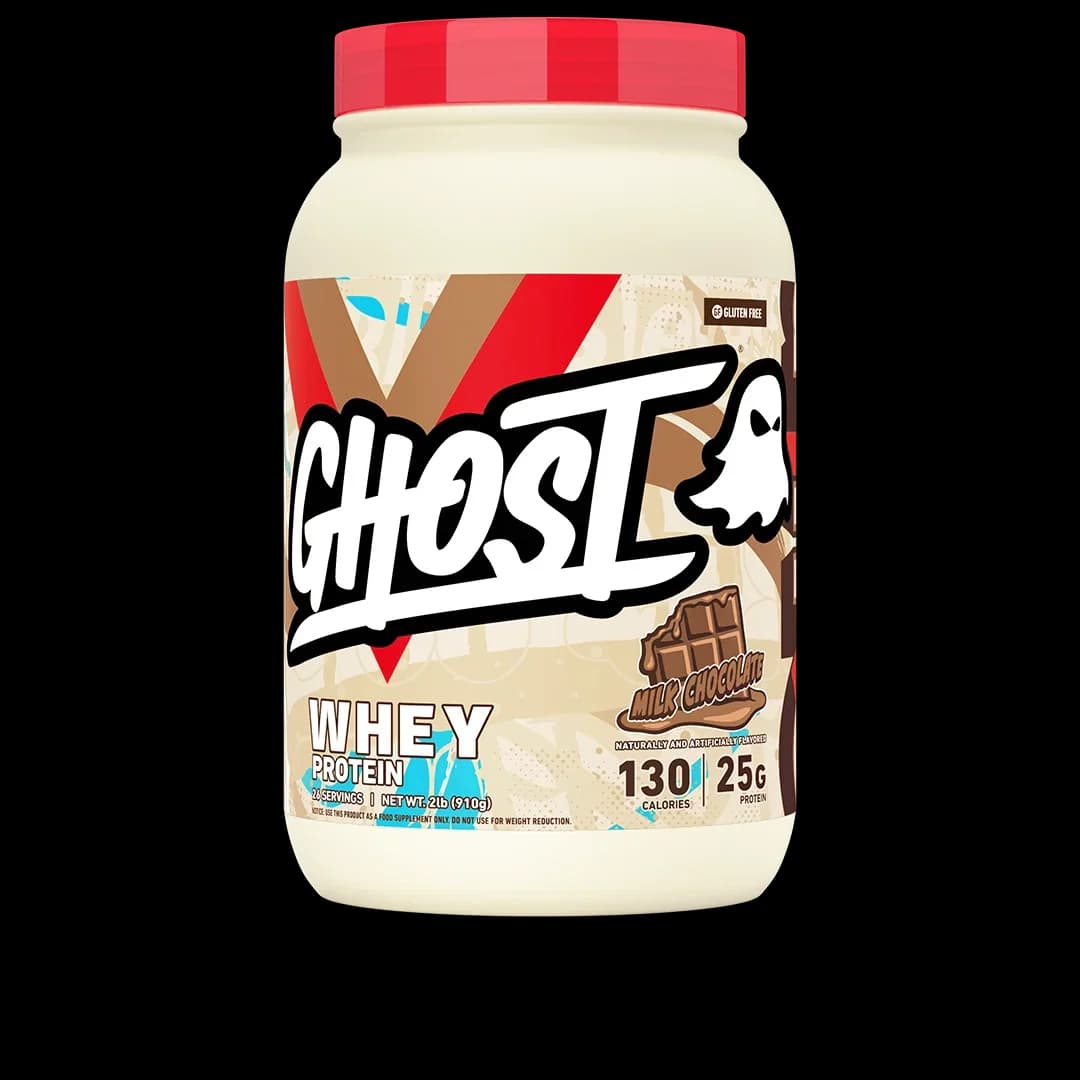
Front of GHOST Whey Protein Milk Chocolate 2 lb tub
Trending
7.8Good

The cereal-and-dessert flavor king: a fully disclosed whey blend with 25 g protein per scoop, but no third-party certification and a premium price.

cGMP
5 videos Shop$2.12/serving
Front of Isopure Zero Carb Creamy Vanilla 2.73 lb tub

A true zero-carb whey isolate: 25 g of protein plus a broad vitamin and mineral blend in a 110-calorie scoop, at a price above most rivals.

cGMP
4 videos ShopProtein Powder
Front of Orgain Organic Protein Creamy Chocolate Fudge 2.03 lb tub

A budget USDA Organic vegan blend with 21 g protein and 7 g fiber per serving; a 2026 heavy-metals lawsuit against Costco is a key caveat.

OrganicKosher
4 videos ShopProtein Powder

Buying guide

How to choose protein powder

The five things we look at first — and what they mean for you.

  1. 01

    Pick the protein type for your needs

    Whey concentrate is the most affordable and contains a little lactose; whey isolate is filtered to remove most lactose, fat and carbohydrate; hydrolyzed whey is partially pre-digested. Casein digests slowly and suits bedtime or long gaps between meals. Plant blends such as pea with rice or pumpkin seed work for vegans and dairy-sensitive people, and combining sources helps cover every essential amino acid, since some single plant proteins run low in one.

  2. 02

    Compare protein per scoop and cost per serving

    Look at grams of protein per serving, not per tub, and check the serving weight: a 34 g scoop with 24 g of protein is about 70% protein, while some plant powders need two scoops to reach 21 g. Divide the price by the number of servings, then by grams of protein, to compare fairly. Serving counts can also differ between flavors of the same tub size, so check the exact flavor you plan to buy.

  3. 03

    Prioritize third-party certification

    Independent testing is the best way to know a tub contains what the label says. NSF Certified for Sport and Informed Choice or Informed Sport screen for substances banned in sport, while NSF contents certification checks that label amounts are accurate and contaminants stay within limits. Look the product up in the certifier's online database rather than trusting a logo, because certification is granted by product and flavor, and sometimes by lot.

  4. 04

    Check for full disclosure and amino spiking

    Avoid proprietary blends that hide amounts, and favor brands that publish an amino acid profile. Some products have been criticized for amino spiking, adding cheap free amino acids that inflate the protein figure without supplying complete protein. A disclosed leucine content of roughly 2 to 3 g per serving and an ingredient list without added glycine, taurine or similar amino acids are good signs.

  5. 05

    Mind sweeteners, additives and contaminants

    Many flavored powders use sucralose or acesulfame potassium; others rely on stevia or monk fruit, and unflavored versions skip sweeteners entirely. Gums and lecithin improve texture but bother some stomachs. Heavy metals are a growing concern: Consumer Reports' 2025 testing, as cited by the Texas attorney general, found lead in plant-based powders averaged about nine times the level in dairy-based ones. Rotating products and choosing brands that publish contaminant testing reduces risk.

Video reviews

What creators say about protein powder

All videos
How much protein do I need per day?
The RDA for healthy adults is 0.8 g per kilogram of body weight, but research on exercising people supports more. The International Society of Sports Nutrition recommends 1.4 to 2.0 g/kg/day for most people who train, and the NIH Office of Dietary Supplements notes that athletes may need 1.2 to 2.0 g/kg. A 2018 meta-analysis found that muscle gains from supplementation leveled off at around 1.6 g/kg/day.
Do I need protein powder to build muscle?
No. Meat, fish, eggs, dairy, beans and soy can supply everything you need. Powder is simply a convenient, low-calorie way to reach your daily target, particularly after workouts, while traveling or on a plant-based diet. Research suggests supplementation helps most when it raises total intake toward about 1.6 g/kg/day; beyond that, extra protein adds little for muscle growth.
When is the best time to take protein powder?
Total daily intake matters most. The ISSN suggests spreading 20 to 40 g doses every three to four hours, and the NIH Office of Dietary Supplements notes that high-quality protein within about two hours after exercise appears optimal, although a meta-analysis found that taking it within an hour of training did not significantly change strength or size. A 30 to 40 g serving of casein before bed can raise overnight muscle protein synthesis.
Is whey or plant protein better?
Whey is a complete, fast-digesting protein that is naturally rich in leucine, which is why it is the most studied option for muscle building. Plant proteins can work well too, but single sources may be low in certain essential amino acids (rice protein in isoleucine, for example), so blends such as pea with rice or pumpkin seed are preferable. A somewhat larger serving helps plant blends match whey's leucine content.
Are protein powders safe?
For healthy adults, the NIH Office of Dietary Supplements reports that high-protein diets providing two to three times the RDA do not appear to harm kidney function, bone health or hydration. The more practical risks are contamination and inaccurate labels, so choose third-party certified products and be mindful of heavy metals in plant-based powders. Talk to a clinician first if you have kidney disease, are pregnant or take prescription medication.

Learn

Go deeper

All articles
Browse all categories