
#1 Best Overall
7.3Mixed
NSF Certified for Sport greens drink with a full multivitamin and 10 billion viable cells of five named probiotics, but over $3 a scoop with two proprietary blends.
NSF Sport
5 videos ShopGreens & Superfoods
Greens powders and gummies rated on real doses, testing, taste and value
Top picks
NSF Certified for Sport greens drink with a full multivitamin and 10 billion viable cells of five named probiotics, but over $3 a scoop with two proprietary blends.
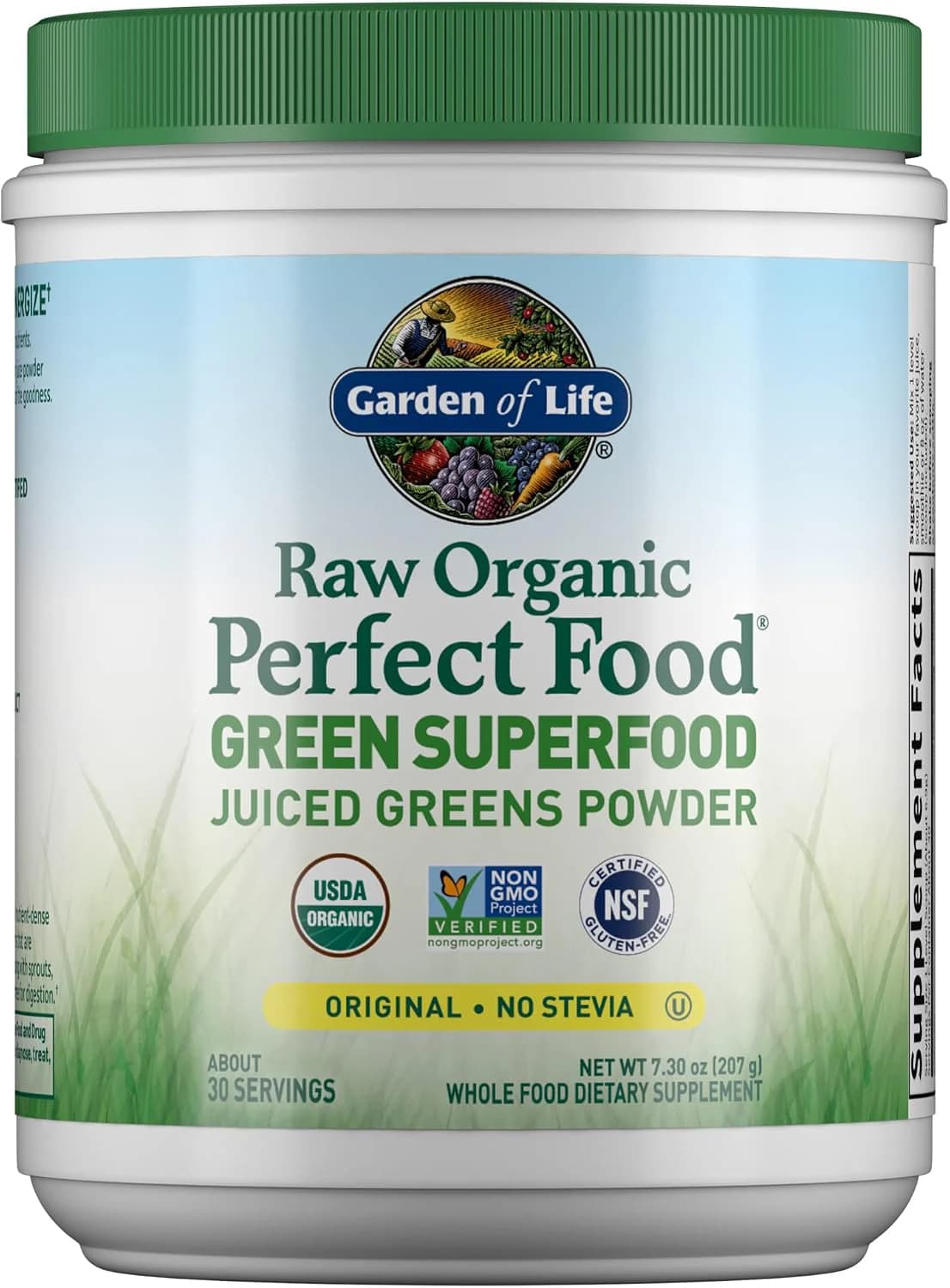
A certified-organic, unsweetened juiced-greens powder with 40 whole-food ingredients and no stevia; clean and affordable, but earthy tasting and dosed in blends.

Amazing Grass
One of the longest-selling greens powders: 5.4 g of grasses and greens plus a studied probiotic for under $1 a scoop, with plain-grassy taste and a Prop 65 lead warning.
The essentials
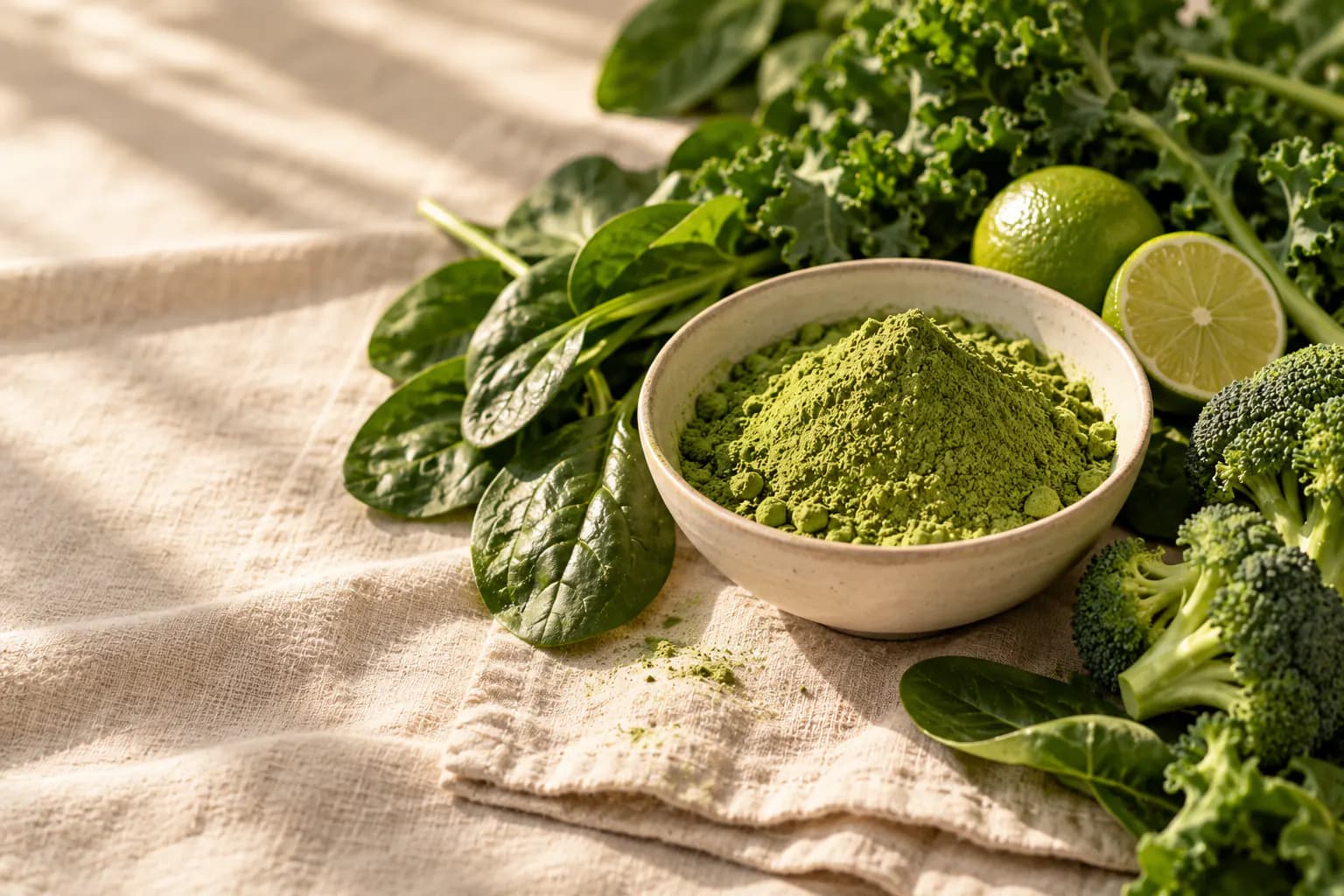
Greens and superfood products are powders, gummies and capsules made from dried grasses, leafy greens, algae such as spirulina and chlorella, and fruit and vegetable extracts, often with added vitamins, minerals, probiotics, fiber or digestive enzymes. They are sold as a shortcut to better nutrition, and most Americans do fall short: CDC survey data from 2019 show that only 12.3% of adults met the fruit recommendation and just 10.0% met the vegetable recommendation.
The research on the products themselves is much thinner than the marketing. A large dose-response meta-analysis of prospective studies linked higher intakes of whole fruits and vegetables with lower risk of cardiovascular disease and death, with risk continuing to fall up to about 800 g a day. That means several servings of produce, not the 6 to 13 g of dried powder in a typical scoop. A systematic review of mixed fruit and vegetable concentrates found they raised blood levels of beta-carotene, vitamins C and E and folate, but the trials were small and varied, and effects on health outcomes remain uncertain.
Greens products can be a convenient way to add vitamins, minerals, fiber or probiotics, but they do not replace vegetables. Our reviews focus on disclosed doses, third-party testing, contaminant and recall history, taste and cost per serving.
Every product
7 products
NSF Certified for Sport greens drink with a full multivitamin and 10 billion viable cells of five named probiotics, but over $3 a scoop with two proprietary blends.
A certified-organic, unsweetened juiced-greens powder with 40 whole-food ingredients and no stevia; clean and affordable, but earthy tasting and dosed in blends.
Amazing Grass
One of the longest-selling greens powders: 5.4 g of grasses and greens plus a studied probiotic for under $1 a scoop, with plain-grassy taste and a Prop 65 lead warning.

A viral daily pack of greens gummies that delivers a real multivitamin and 6 g of fiber, but the 'superfoods' sit in one 8.7 g blend and the original has 8 g added sugar.

Bloom Nutrition
The TikTok-famous 'debloat' greens drink: sweet, cheap per scoop and easy to mix, but built on seven proprietary blends with no probiotic CFU count.

Live it Up
A cheaper AG1 alternative with 7.3 g of organic greens and 5 billion CFU of named probiotics, but a January 2026 Class I Salmonella recall weighs heavily on trust.

BrickHouse Nutrition
A USDA Organic fruit-and-vegetable powder sold on an aging study that did not show clear benefits; pleasant flavors, but about $3 a scoop with unquantified blends.
Buying guide
The five things we look at first — and what they mean for you.
Many greens powders advertise dozens of ingredients, yet a scoop weighs only about 6 to 13 g, so most of those ingredients are present in very small amounts. When doses sit inside proprietary blends, you cannot tell whether anything reaches a studied amount. Favor products that list each key ingredient's dose, or at least disclose the fiber, probiotic count and vitamins you are paying for.
Some greens drinks double as a multivitamin, while others add almost no nutrients. Vitamins and minerals are often the only ingredients with fully disclosed amounts, so they are the easiest part to judge. If a product already supplies large percentages of the Daily Value, adding a separate multivitamin can push intake of nutrients such as vitamin A, niacin or zinc higher than you need.
A useful probiotic listing names the genus, species and strain, such as Bacillus coagulans MTCC 5856, and states the colony-forming units (CFU) per serving, ideally guaranteed through the expiration date rather than at manufacture. A 'probiotic blend' with no CFU count, or counts given per gram of raw ingredient, tells you little about what you actually get in each serving.
Because they are made from plants and algae, greens powders can pick up heavy metals such as lead, arsenic and cadmium, which occur in soil, water and air. Look for NSF Certified for Sport or NSF Contents Certified seals, or published contaminant results, and check recall history: in January 2026, Live it Up Super Greens was subject to a Class I recall for possible Salmonella contamination.
Among the products we review, prices run from under $1 to more than $3 per serving. Unsweetened, grassy powders are cheapest but harder to drink; sweetened powders and gummies go down more easily but can add sugar (one popular gummy pack has 8 g of added sugar) or sweeteners. Because the benefits are modest, choose a product you will take consistently at a price you can sustain.
Head to head
Ingredients
Video reviews
Key sources
Learn
What's in greens powders, what the limited research shows, why blends and contaminant testing matter, how the cost compares with frozen vegetables, and who might benefit.
Nutrition Reviews Editorial Team · Sep 28, 2026
How creator commissions work, what TikTok and the FTC require, where counterfeit and contamination risks hide, and a 10-minute checklist before you tap 'buy'.
Nutrition Reviews Editorial Team · Sep 28, 2026
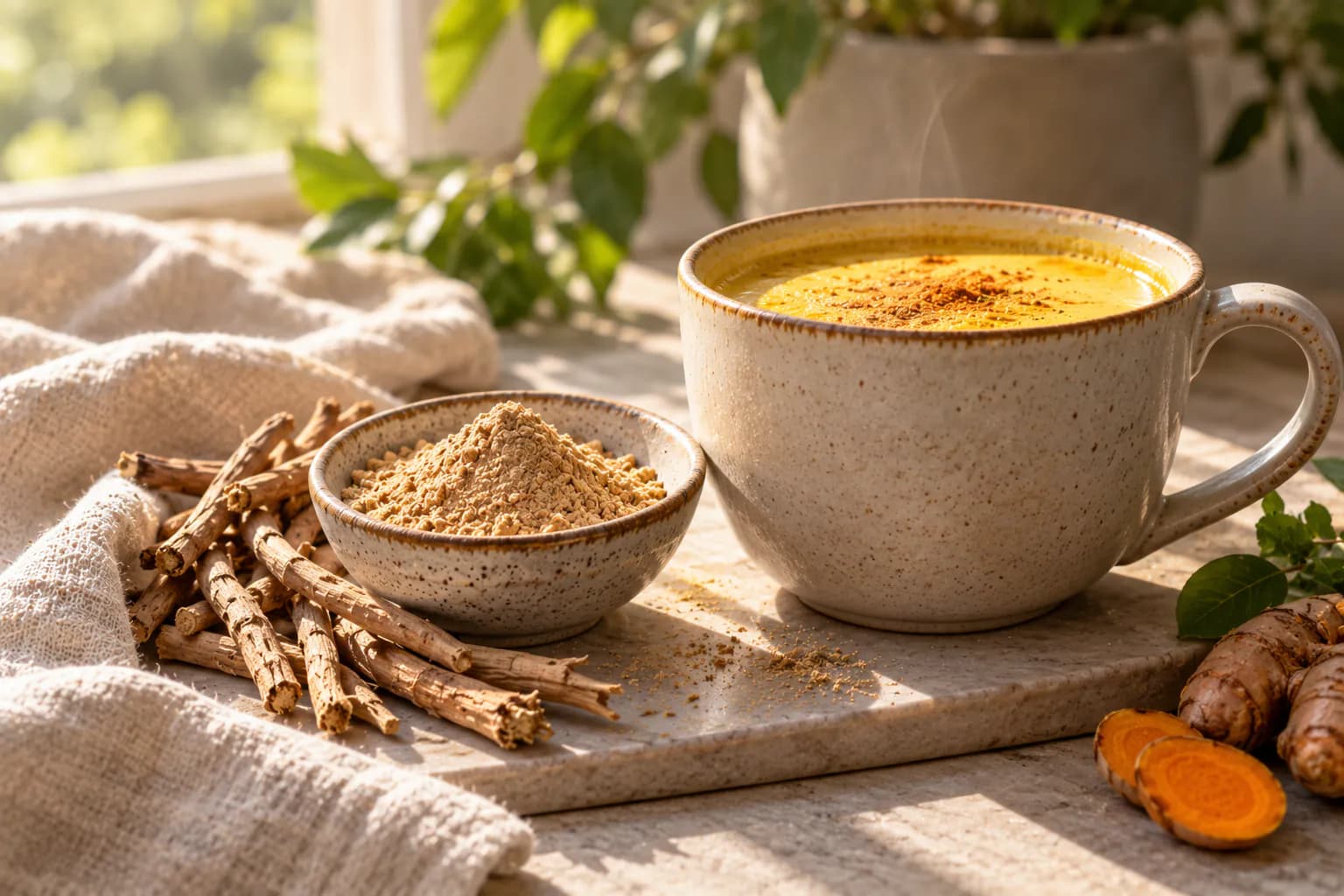
Ashwagandha has real trials for stress and sleep, rare but serious liver risks and growing regulatory scrutiny. What extract names mean and which doses were studied.
Nutrition Reviews Editorial Team · Sep 28, 2026
Minimum score