Skip to content
Nutrition ReviewsNutrition Reviews — home
Category

Collagen

Collagen peptide powders compared on dose, testing, transparency and price

Products scored
5
Average score
7.8
Video reviews
18

Top picks

Our favorite collagen

Full ranked guide
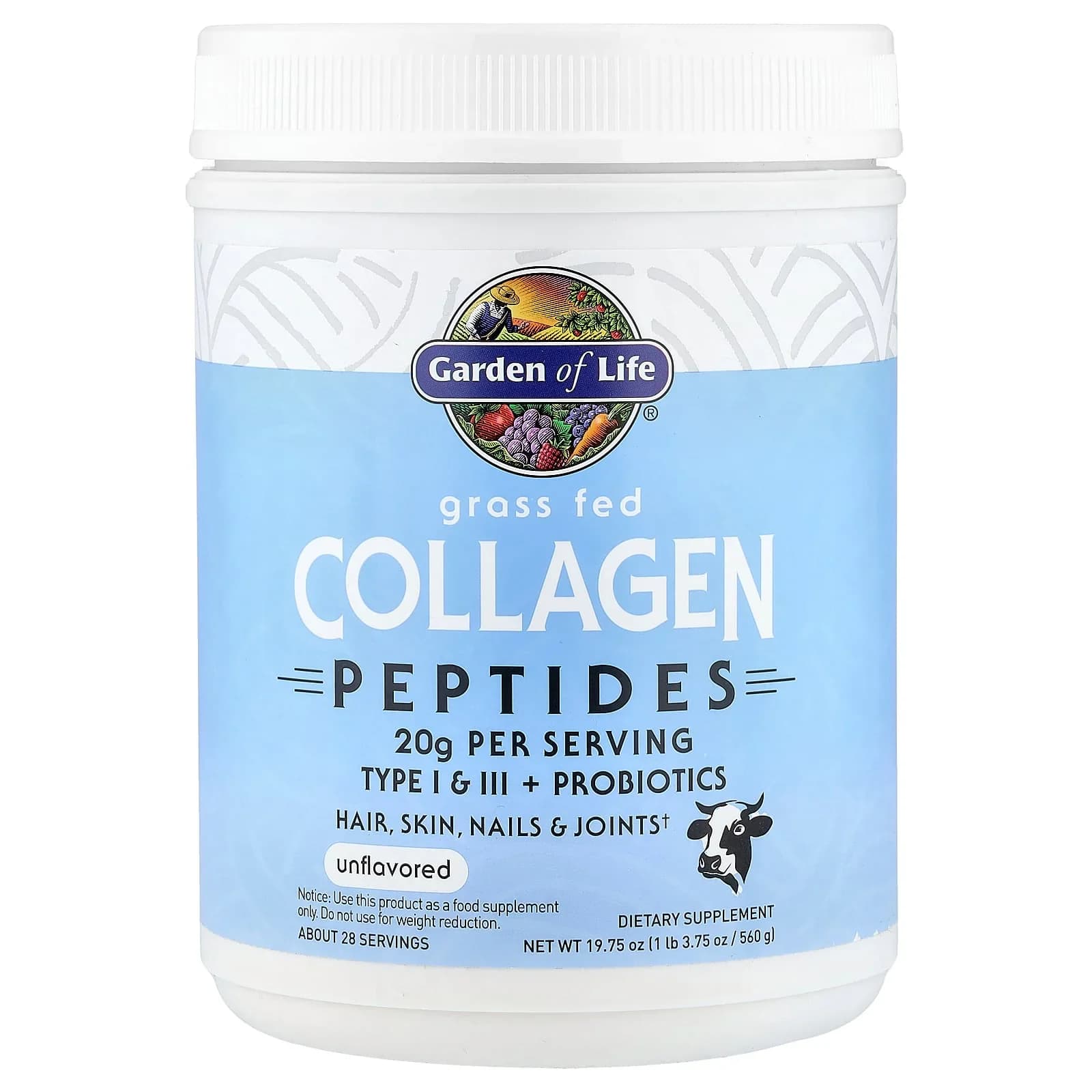
Front of Garden of Life Grass Fed Collagen Peptides unflavored 19.75 oz tub
#1 Best Overall
8.2Good

20 g of grass-fed bovine collagen per scoop with a small probiotic dose, NSF Contents Certified and NSF Gluten-Free, at a mid-range price per gram.

NSF ContentsGF Certified
3 videosCollagen
Front of Vital Proteins Collagen Peptides unflavored 9.33 oz paper canister
#2 Trending
8.1Good

20 g of grass-fed bovine collagen peptides per serving and nothing else, NSF Certified for Sport; the TikTok Shop and Amazon bestseller that set the category.

NSF SportcGMP
5 videos ShopCollagen
Front of Sports Research Collagen Peptides unflavored 16 oz tub
#3 Trending

Sports Research

Collagen Peptides

8.0Good

Single-ingredient bovine collagen with a full amino acid profile on the label, NSF Certified Gluten-Free; 11 g scoops make the dose flexible, and it is a TikTok Shop staple.

GF Certified3rd-party tested+1
3 videos ShopCollagen

The essentials

What to know about collagen

Collagen supplements are hydrolyzed peptides, usually from bovine hide, fish skin or chicken, that dissolve into coffee, smoothies or water. Collagen is the main structural protein in skin, tendons, cartilage and bone, and the body's own production declines with age. Supplement makers promise smoother skin, stronger nails and hair, and more comfortable joints.

The evidence is real but more modest than the marketing. Meta-analyses of randomized trials report improvements in skin hydration and elasticity after about three months, yet a 2025 analysis in the American Journal of Medicine found those benefits disappeared when only high-quality or non-industry-funded studies were considered. For joints, a 2024 meta-analysis of 35 trials found small-to-moderate improvements in osteoarthritis pain and function. Collagen is an incomplete protein that lacks tryptophan, so it should not replace other protein foods.

The people most likely to benefit are adults with joint discomfort or those curious about skin effects who are willing to take a consistent daily dose for at least 8-12 weeks. Vegans cannot use collagen, since all true collagen comes from animals.

Every product

All collagen we’ve reviewed

5 products

Front of Garden of Life Grass Fed Collagen Peptides unflavored 19.75 oz tub
Best Overall
8.2Good

20 g of grass-fed bovine collagen per scoop with a small probiotic dose, NSF Contents Certified and NSF Gluten-Free, at a mid-range price per gram.

NSF ContentsGF Certified
3 videosCollagen
Front of Vital Proteins Collagen Peptides unflavored 9.33 oz paper canister
Trending
8.1Good

20 g of grass-fed bovine collagen peptides per serving and nothing else, NSF Certified for Sport; the TikTok Shop and Amazon bestseller that set the category.

NSF SportcGMP
5 videos ShopCollagen
Front of Sports Research Collagen Peptides unflavored 16 oz tub
Trending

Sports Research

Collagen Peptides

8.0Good

Single-ingredient bovine collagen with a full amino acid profile on the label, NSF Certified Gluten-Free; 11 g scoops make the dose flexible, and it is a TikTok Shop staple.

GF Certified3rd-party tested+1
3 videos ShopCollagen
Front of Orgain Grass Fed Collagen Peptides unflavored 1 lb tub
Best Value

The budget pick: 20 g of grass-fed bovine collagen per serving for roughly a dollar on Amazon, with a full amino acid profile, though it lacks a named third-party certification.

4 videos ShopCollagen
Front of Ancient Nutrition Multi Collagen Protein unflavored 45-serving tub
Trending

Ancient Nutrition

Multi Collagen Protein

7.0Mixed

A '10 types of collagen' blend with vitamin C and a probiotic; heavily marketed, but the collagen sources sit in an undisclosed blend and it costs more per gram.

cGMP
3 videos ShopCollagen

Buying guide

How to choose collagen

The five things we look at first — and what they mean for you.

  1. 01

    Check grams of collagen per serving

    Most single-ingredient powders deliver 10-20 g of collagen peptides per serving, but scoop sizes differ: some brands define a serving as one 11 g scoop, others as two scoops or four tablespoons. Compare grams of collagen, not scoops, and read the Supplement Facts panel rather than the front label, which may quote a two-scoop amount.

  2. 02

    Prefer independent certification

    Collagen comes from animal hides and bones, so contaminant testing matters. Look for NSF Certified for Sport, NSF Contents Certified (NSF/ANSI 173), USP Verified or Informed Sport, and confirm the listing in the certifier's online database. Vague 'third-party tested' claims cannot be checked. A California Prop 65 warning signals possible exposure to substances such as lead above that state's very strict thresholds.

  3. 03

    Avoid proprietary blends

    Multi-collagen products often list several sources, such as bovine, chicken, fish and eggshell membrane, inside one blend without individual amounts. Because blend ingredients are listed by weight, the first one is the largest, which is usually inexpensive bovine collagen. Single-ingredient powders with a published amino acid profile let you see exactly what you are paying for.

  4. 04

    Compare cost per 10 g of collagen

    Divide the price by total grams of collagen in the tub, then multiply by ten. In our reviews this ranged from under $0.50 to nearly $1 per 10 g. Flavored versions, stick packs and added ingredients such as vitamin C, probiotics or hyaluronic acid usually raise the price without much added evidence.

  5. 05

    Match the source to your diet and allergies

    Bovine collagen is the most common and least expensive. Marine collagen suits pescatarians but is off-limits with fish allergies, and multi-collagen blends may contain egg and fish. There is no vegan collagen; plant-based 'collagen boosters' contain vitamins and amino acids but no collagen. Check whether flavored versions add sweeteners you want to avoid.

Video reviews

What creators say about collagen

All videos
Does collagen really work for skin?
Some trials show better skin hydration and elasticity after about 90 days of daily collagen, and pooled analyses of all trials find an effect. However, a 2025 meta-analysis of 23 trials found no significant benefit in studies without industry funding or in high-quality studies. Collagen may help some people modestly, but it is not a proven anti-aging treatment.
Can collagen help with joint pain?
The joint evidence is somewhat stronger. A 2024 trial sequential meta-analysis of 35 randomized trials in osteoarthritis found small-to-moderate improvements in pain and function with collagen derivatives, with no increase in adverse events. Effects are modest, so collagen works best alongside exercise, weight management and medical care rather than as a replacement.
How much collagen should I take per day?
Most single-ingredient powders provide 10-20 g of collagen per serving, and there is no official recommended intake. Skin trials pooled in meta-analyses generally lasted about three months, so judge results after consistent daily use. Timing matters less than consistency, and because collagen lacks tryptophan it should supplement, not replace, complete protein from food or other protein powders.
Is marine collagen better than bovine collagen?
Both supply mainly type I collagen peptides. Marine collagen is often marketed as better absorbed, but evidence directly comparing the two in people is limited. The practical differences are diet (pescatarian vs. beef-eating), allergies (fish) and price, since marine collagen usually costs more per gram.
Is collagen safe?
Collagen peptides are generally well tolerated; in buyer reviews the most common complaints are mild stomach upset or nausea and an unpleasant taste, and the osteoarthritis meta-analysis found no increase in adverse events. People with allergies should check the source, since some products contain fish or egg. Because collagen is sourced from animal tissues, choosing a product with independent contaminant certification is a sensible precaution, especially for daily long-term use.

Learn

Go deeper

All articles
Browse all categories