
#1 Best Overall
Nature Made
Multi for Him
8.5Excellent
A USP Verified, iron-free men's multi dosed near 100% DV for about 11 cents a day; basic nutrient forms and gelatin are the trade-offs.
USP
2 videosMultivitamins
Daily nutrient insurance, compared on doses, forms, testing and real cost
Top picks
Nature Made
A USP Verified, iron-free men's multi dosed near 100% DV for about 11 cents a day; basic nutrient forms and gelatin are the trade-offs.

Thorne
Two-capsule, iron-free multi with active B vitamins and chelated minerals, NSF certified; trade-offs are a strong smell and B-vitamin doses far above the DV.

Centrum
The drugstore benchmark: one tablet with 24 nutrients near 100% DV, including iron, iodine and folic acid, for about six cents a day. No third-party seal.
The essentials
A multivitamin/mineral supplement (MVM) combines vitamins and minerals in one daily tablet, capsule, gummy or liquid. There is no regulatory definition of what a multivitamin must contain, so formulas range from nine nutrients to more than two dozen, at doses from a fraction of the Daily Value to many times it. About a third of U.S. adults take one, according to NIH survey data.
Their clearest role is filling gaps. People on restricted diets, older adults and women who could become pregnant are more likely to fall short on nutrients such as vitamin D, B12, iodine, folate or iron. The evidence for disease prevention is more modest: in the Physicians' Health Study II a daily multivitamin modestly lowered cancer incidence in male physicians, but in the COSMOS trial it did not reduce heart attacks, strokes or deaths, and the U.S. Preventive Services Task Force judged the evidence insufficient to recommend multivitamins for preventing heart disease or cancer.
We compare multivitamins on how well doses match real needs without exceeding upper limits, the ingredient forms used, third-party testing, price per daily serving and how easy they are to take every day.
Every product
6 products
Nature Made
A USP Verified, iron-free men's multi dosed near 100% DV for about 11 cents a day; basic nutrient forms and gelatin are the trade-offs.
Thorne
Two-capsule, iron-free multi with active B vitamins and chelated minerals, NSF certified; trade-offs are a strong smell and B-vitamin doses far above the DV.
Centrum
The drugstore benchmark: one tablet with 24 nutrients near 100% DV, including iron, iodine and folic acid, for about six cents a day. No third-party seal.

Ritual
A nine-nutrient women's multi with vegan D3, methylfolate and 330 mg algal DHA; top-tier transparency, but no iodine or zinc and a premium price.
OLLY
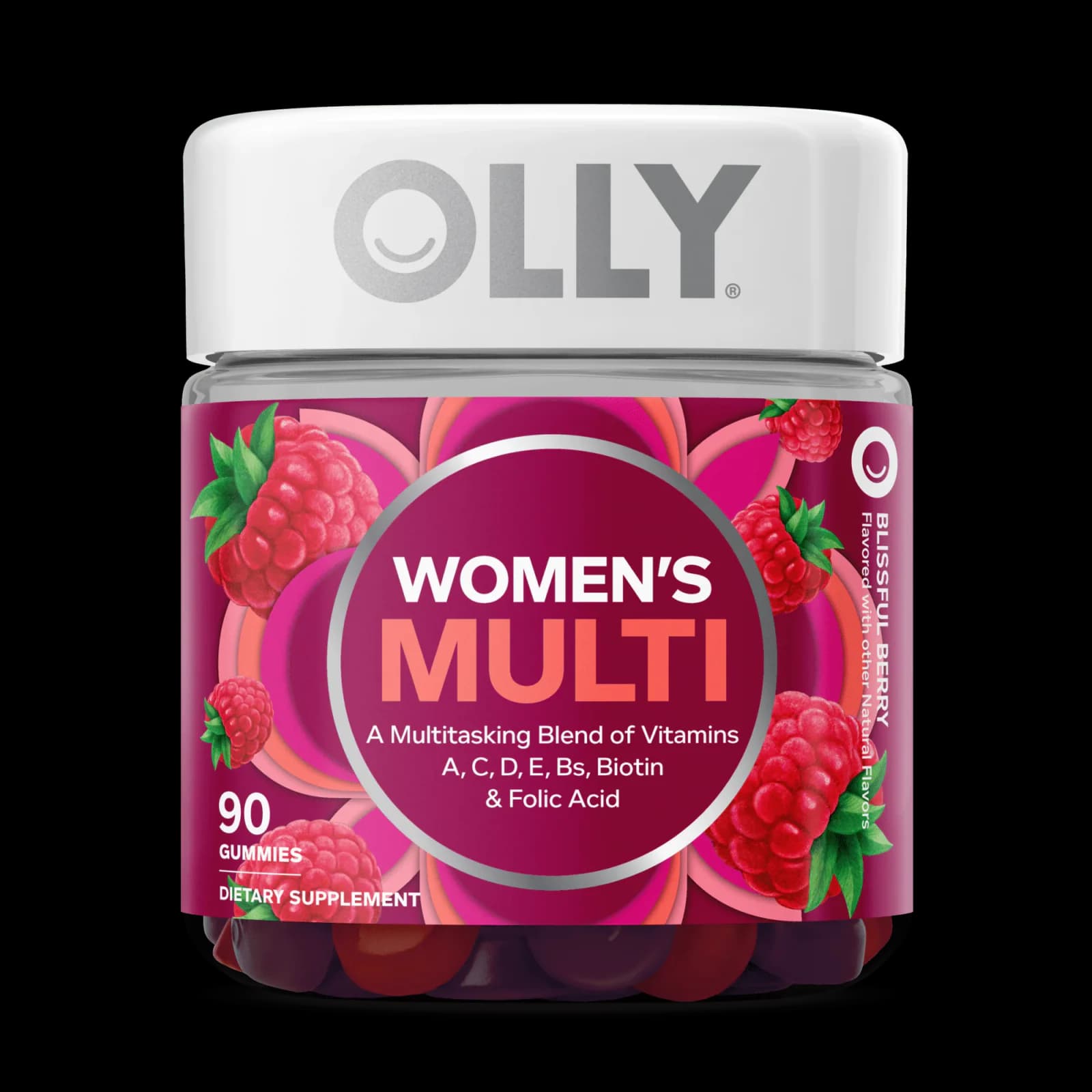
A best-selling berry gummy with 800 IU D3, folate and iodine, NSF certified; a partial multi with no iron, little zinc and 2 g added sugar.

MaryRuth's
The TikTok-favorite raspberry liquid multi: easy for pill-averse users, with active B vitamins, but almost no minerals and a small proprietary blend.
Buying guide
The five things we look at first — and what they mean for you.
Needs differ by age and sex. Menstruating women need about 18 mg of iron a day, while men and postmenopausal women need 8 mg and usually do better with low-iron or iron-free formulas. Women who could become pregnant should look for folate and iodine, and adults over 50 benefit from reliable vitamin B12. Gender-specific labels help, but always read the actual panel.
More is not better. Compare each nutrient with its tolerable upper intake level, especially if you also take single-nutrient supplements or eat fortified foods. Watch vitamin D (4,000 IU), zinc (40 mg), iron (45 mg), preformed vitamin A (3,000 mcg), supplemental magnesium (350 mg) and folic acid (1,000 mcg). NIH notes that some multivitamin users exceed limits for niacin, vitamin A, iron and zinc.
Label accuracy varies, so third-party certification is the best available check that a bottle contains what it claims. USP Verified and NSF certifications confirm contents and screen for contaminants, and NSF Certified for Sport adds banned-substance testing for athletes. Claims of third-party testing without a named certifier are harder to verify, so give them less weight.
Premium features such as methylfolate, methylcobalamin and chelated minerals can matter for some people, but NIH finds no evidence that B12 absorption differs by form, and folic acid is the form behind the research on neural tube defect prevention. Proprietary blends, token botanical additions and vague marketing terms add cost without clear benefit. Compare price per daily serving, not per bottle.
Consistency matters more than perfection. Gummies are easy to take but usually supply fewer nutrients, little or no iron and a few grams of sugar. Liquids suit people who cannot swallow pills but may need refrigeration. Tablets and capsules pack the most nutrients per dollar. Most multivitamins are best taken with a meal to limit stomach upset and help absorb fat-soluble vitamins.
Head to head
Ingredients
Video reviews
Key sources
Learn
What's in greens powders, what the limited research shows, why blends and contaminant testing matter, how the cost compares with frozen vegetables, and who might benefit.
Nutrition Reviews Editorial Team · Sep 28, 2026
Serving sizes, %DV vs. upper limits, ingredient forms, proprietary blends and claims: a step-by-step method for reading any Supplement Facts panel with confidence.
Nutrition Reviews Editorial Team · Sep 28, 2026
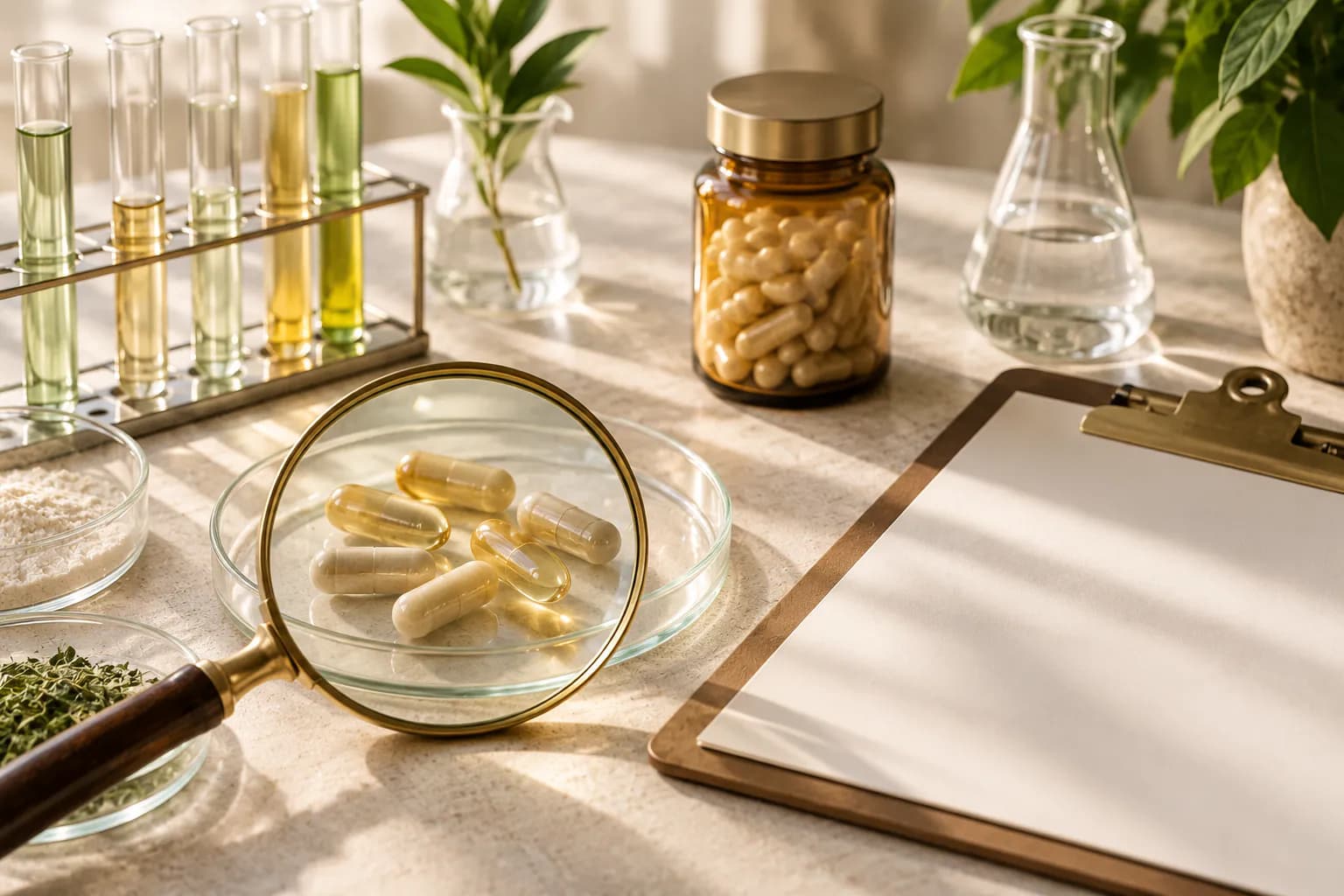
What USP, NSF and Informed Sport seals actually test, how to verify a certification in two minutes, how to read a certificate of analysis, and where testing stops.
Nutrition Reviews Editorial Team · Sep 28, 2026
Minimum score