Skip to content
Nutrition ReviewsNutrition Reviews — home
Category

Omega-3 & Fish Oil

Fish, liquid and algae oils compared by EPA+DHA dose, purity and price

Products scored
5
Average score
8.4
Video reviews
19

Top picks

Our favorite omega-3 & fish oil

Full ranked guide
Front of Sports Research Alaskan Omega-3 Fish Oil Triple Strength 90 softgel bottle
#1 Best Overall
9.0Excellent

950 mg EPA+DHA in a single IFOS-certified softgel from wild Alaska pollock, at roughly a third of a dollar per day; the value benchmark for fish oil.

3rd-party testedcGMP
5 videos ShopOmega-3 & Fish Oil
Front of Carlson The Very Finest Fish Oil liquid, natural lemon, 200 mL bottle
#2

One lemon-flavored teaspoon delivers 1,300 mg EPA+DHA from Norwegian-processed fish oil, IFOS certified; the high-dose pick for people who hate capsules.

3rd-party tested
3 videos ShopOmega-3 & Fish Oil
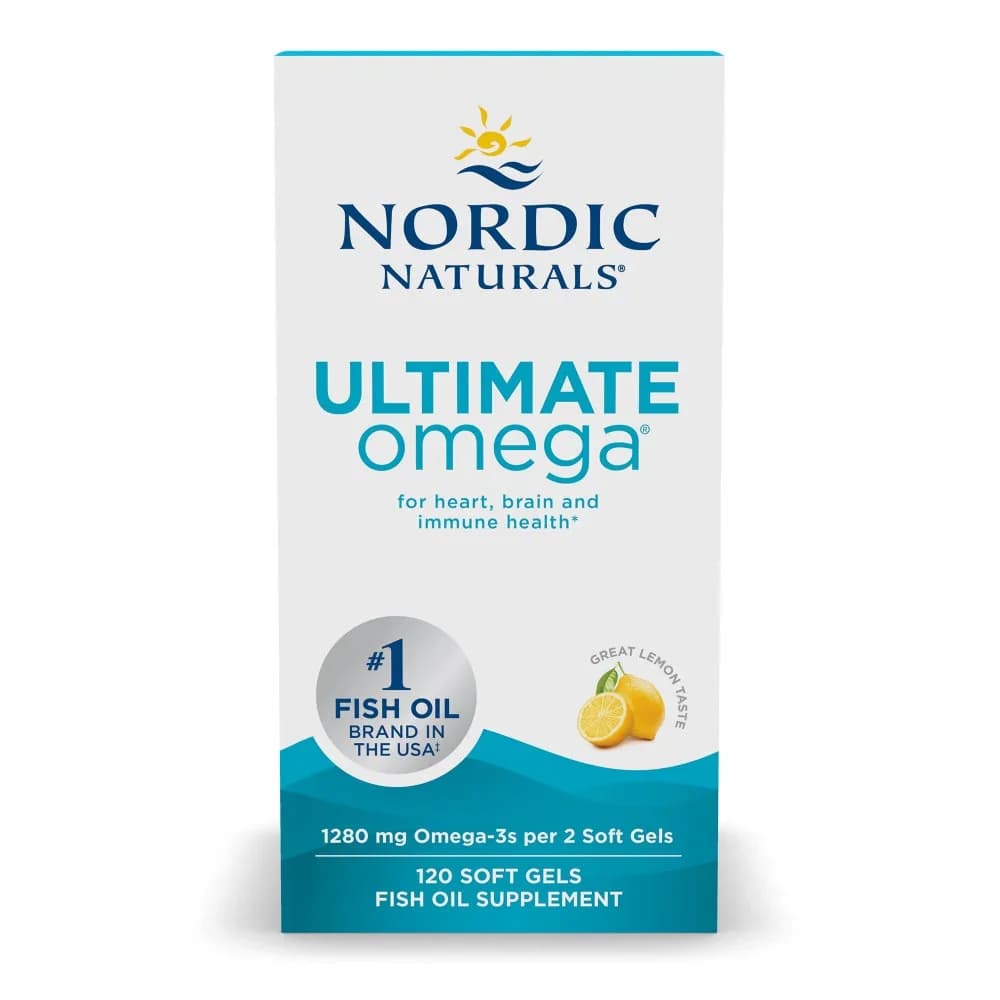
Front of Nordic Naturals Ultimate Omega 120 soft gel box, lemon flavor
#3

Nordic Naturals

Ultimate Omega

8.4Good

1,100 mg EPA+DHA per two lemon-flavored softgels in triglyceride form, with lot-level purity testing; excellent tolerability, but pricier than IFOS-certified rivals.

3rd-party testedcGMP
4 videos ShopOmega-3 & Fish Oil

The essentials

What to know about omega-3 & fish oil

Omega-3 supplements supply the long-chain fatty acids EPA and DHA, which the body makes only in small amounts from the plant omega-3 ALA found in flax, chia and walnuts. Most products are concentrated fish oils; liquid oils, krill oil and algae oils (the main vegan option) deliver the same fatty acids in different formats. The number that matters is EPA plus DHA per serving, not the fish oil milligrams printed on the front: a typical 1,000 mg fish oil softgel provides only about 300 mg of EPA and DHA.

People who rarely eat oily fish, vegans and those advised by a clinician to raise their intake are the main candidates. The evidence is strongest for lowering triglycerides, and the American Heart Association suggests about 1 g/day of EPA plus DHA for people with existing coronary heart disease. For healthy adults, large trials such as VITAL found that 1 g/day did not reduce major cardiovascular events overall, although it was associated with fewer heart attacks. Omega-3s are generally well tolerated; the FDA considers up to 5 g/day of EPA and DHA from supplements safe, but anyone taking anticoagulants should check with a clinician first.

Every product

All omega-3 & fish oil we’ve reviewed

5 products

Front of Sports Research Alaskan Omega-3 Fish Oil Triple Strength 90 softgel bottle
Best Overall
9.0Excellent

950 mg EPA+DHA in a single IFOS-certified softgel from wild Alaska pollock, at roughly a third of a dollar per day; the value benchmark for fish oil.

3rd-party testedcGMP
5 videos ShopOmega-3 & Fish Oil
Front of Carlson The Very Finest Fish Oil liquid, natural lemon, 200 mL bottle

One lemon-flavored teaspoon delivers 1,300 mg EPA+DHA from Norwegian-processed fish oil, IFOS certified; the high-dose pick for people who hate capsules.

3rd-party tested
3 videos ShopOmega-3 & Fish Oil
Front of Nordic Naturals Ultimate Omega 120 soft gel box, lemon flavor

Nordic Naturals

Ultimate Omega

8.4Good

1,100 mg EPA+DHA per two lemon-flavored softgels in triglyceride form, with lot-level purity testing; excellent tolerability, but pricier than IFOS-certified rivals.

3rd-party testedcGMP
4 videos ShopOmega-3 & Fish Oil
Front of Nordic Naturals Algae Omega 120 soft gel box

Nordic Naturals

Algae Omega

7.9Good

A plant-based omega-3 from microalgae with 195 mg EPA and 390 mg DHA per two softgels; a clean fish-free option, but you pay more per gram than for fish oil.

3rd-party testedcGMP
2 videosOmega-3 & Fish Oil
Front of Nature Made Fish Oil 1200 mg bottle, 150 softgels
Best Value
7.8Good

A USP Verified, very low-cost drugstore fish oil; two large softgels supply only 600 mg EPA+DHA, and the label does not split EPA from DHA.

USP
5 videos ShopOmega-3 & Fish Oil

Buying guide

How to choose omega-3 & fish oil

The five things we look at first — and what they mean for you.

  1. 01

    Read EPA + DHA, not 'fish oil'

    Front labels often advertise total fish oil (1,000 or 1,200 mg), but the active omega-3s are EPA and DHA, listed on the Supplement Facts panel. Standard oils contain about 30% EPA+DHA, while concentrates reach 75% or more, which means fewer softgels for the same dose. Be wary of labels that give only a combined figure or hide the split between EPA and DHA.

  2. 02

    Look for independent testing

    Fish oil can contain environmental contaminants and can oxidize over time. The IFOS program publishes lot-by-lot reports on potency, oxidation, heavy metals and PCBs, and USP Verified products have had identity, potency and manufacturing checked. A plain 'third-party tested' claim is better than nothing, but a named program with public results lets you check the bottle you actually bought.

  3. 03

    Choose a format you will actually take

    Softgels are convenient; concentrated one-a-day softgels help people who dislike swallowing several pills. Liquids deliver the most EPA+DHA per serving and are easy to dose, but need refrigeration and should be finished within the time stated on the label. Gummies are pleasant but usually supply far less EPA and DHA per serving, so read the panel closely.

  4. 04

    Compare cost per gram of EPA+DHA

    Price per bottle is misleading because potency varies so much. Divide the price by the number of servings, then by the grams of EPA+DHA per serving. In our reviews this ranged from roughly $0.35 per gram for value fish oils to more than $1 per gram for algae oil. Premium branding does not always mean a higher dose.

  5. 05

    Check source, capsule and allergens

    Fish oils come from anchovy, sardine, mackerel, pollock and other species, and sustainability labels such as MSC or Friend of the Sea indicate certified fisheries. Softgel shells may be bovine, porcine or fish gelatin, which matters for religious and dietary needs. Anyone with a fish allergy, and vegans, should choose an algae-based product instead.

Video reviews

What creators say about omega-3 & fish oil

All videos
How much EPA and DHA should I take each day?
There is no official daily requirement for EPA and DHA; the Adequate Intake set by the National Academies applies only to ALA (1.6 g/day for men and 1.1 g/day for women). The American Heart Association suggests about 1 g/day of EPA plus DHA for people with existing coronary heart disease, and 4 g/day prescription omega-3s for high triglycerides under medical supervision. For the general adult population, the European Food Safety Authority uses 250 mg/day of EPA plus DHA as an adequate intake.
Is fish oil, krill oil or algae oil better?
All three provide EPA and DHA. Fish oil offers the most EPA+DHA for the money and the widest range of tested concentrates. Krill oil supplies omega-3s mainly as phospholipids and typically less EPA+DHA per capsule than concentrated fish oils. Algae oil is the only vegan source of preformed EPA and DHA and is typically DHA-heavy and more expensive per gram. The best choice depends on diet, dose target and budget.
Do omega-3 supplements have side effects or drug interactions?
Side effects are usually mild: unpleasant taste, bad breath, fishy burps, heartburn, nausea, loose stools or headache. Fish oil can have antiplatelet effects at high doses and may affect clotting in people taking warfarin, so check with a clinician first. Trials using 4 g/day found a slightly higher risk of atrial fibrillation in people with or at high risk of heart disease.
Do fish oil supplements contain mercury?
According to the NIH Office of Dietary Supplements, omega-3 supplements have not been found to contain methyl mercury, because it is removed during processing and purification. Other contaminants such as PCBs and dioxins, and oxidation, are the bigger quality variables. Programs like IFOS publish test results for these, and some brands state specific purification limits on the label.
When is the best time to take fish oil?
Most labels direct taking omega-3s with food, and taking them alongside a meal that contains some fat supports absorption and tends to reduce fishy burps. Morning or evening makes little difference; consistency matters more. If one large dose upsets your stomach, splitting it between two meals is a common approach.

Learn

Go deeper

All articles
Browse all categories