#1 Best Overall
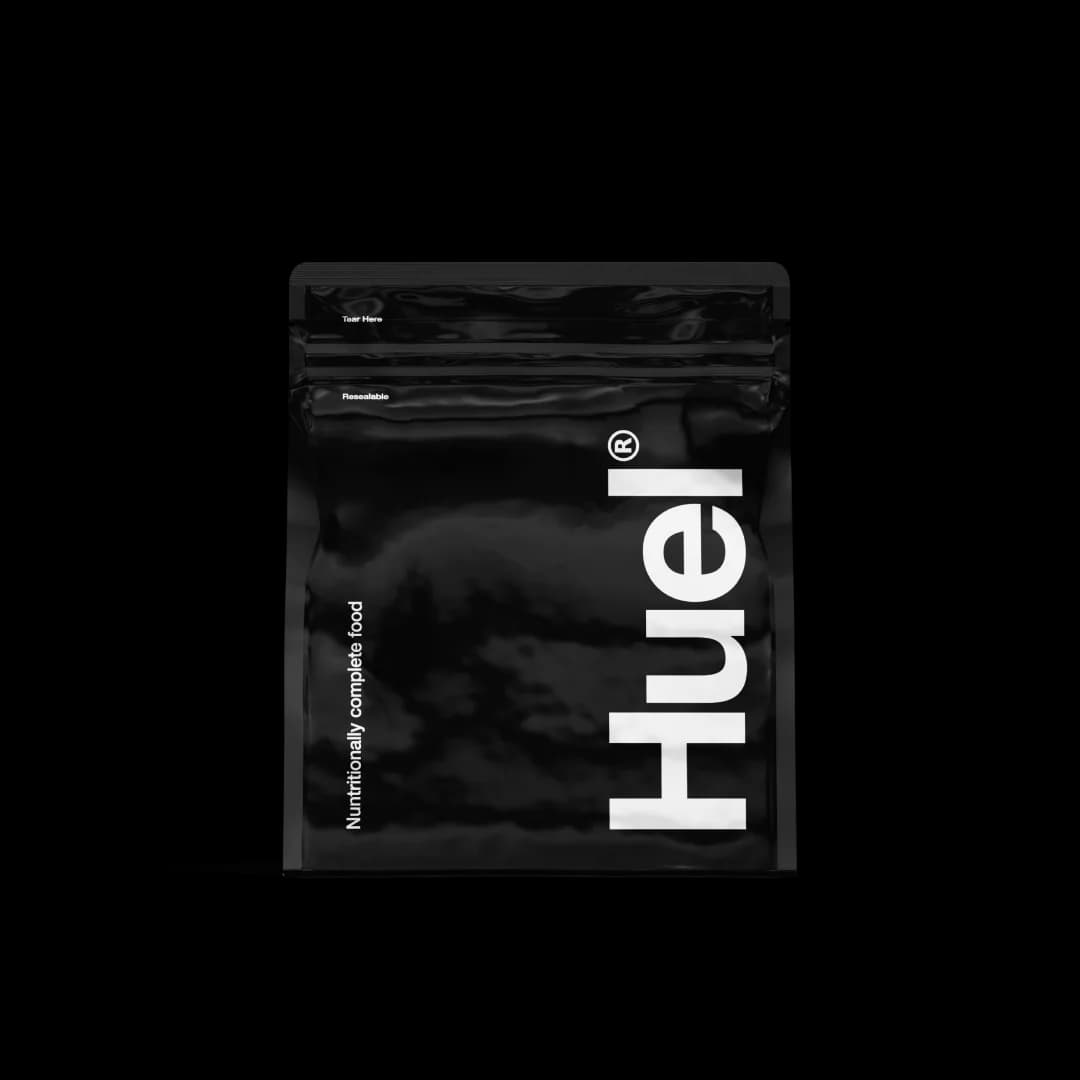
Huel
Black Edition
8.1Good
A complete vegan meal powder with 40 g protein, 11 g fiber and 27 vitamins and minerals per 400-calorie serving; fully disclosed, but the taste is divisive.
3rd-party tested
4 videos Shop$3.53/serving
Meal shakes and protein drinks compared on calories, protein, testing and price
Top picks
Huel
A complete vegan meal powder with 40 g protein, 11 g fiber and 27 vitamins and minerals per 400-calorie serving; fully disclosed, but the taste is divisive.

Premier Protein
Amazon's best-selling protein shake: 30 g of milk protein for 160 calories at about $2 a shake, but too light to replace a full meal on its own.

A creamy, lactose-free 26 g milk protein shake built for workout recovery; buyers love the taste, but at $3.50-$3.90 a bottle it's a pricey meal stand-in.
The essentials
Meal replacements are shakes, powders and bars designed to stand in for a meal, with controlled calories, a meaningful dose of protein and added vitamins and minerals. The category overlaps heavily with ready-to-drink protein shakes, and many best-selling drinks used this way are really 160- to 250-calorie protein snacks. At one end sit nutritionally complete powders such as Huel, formulated so that 2,000 calories meets daily nutrient targets; at the other, shakes built mainly around 26 to 30 g of protein.
The strongest evidence concerns weight management. A 2019 systematic review and meta-analysis of randomized trials found that programs incorporating meal replacements produced greater weight loss at one year than comparison diets, with larger differences when paired with more support. Total diet replacement at 825 to 853 calories a day has also been used, under medical supervision, to put type 2 diabetes into remission in some people, as in the DiRECT trial. Much of the benefit comes from simple portion and calorie control.
For everyday use, the factors that matter most are calories and protein per serving, protein quality, fiber, sugar and sweeteners, micronutrient coverage, testing and recall history, and cost per meal, which is what our reviews compare.
Every product
6 products
Huel
A complete vegan meal powder with 40 g protein, 11 g fiber and 27 vitamins and minerals per 400-calorie serving; fully disclosed, but the taste is divisive.
Premier Protein
Amazon's best-selling protein shake: 30 g of milk protein for 160 calories at about $2 a shake, but too light to replace a full meal on its own.
A creamy, lactose-free 26 g milk protein shake built for workout recovery; buyers love the taste, but at $3.50-$3.90 a bottle it's a pricey meal stand-in.

Ka'Chava
A tasty plant-based shake with 25 g protein, 6 g fiber and 26 vitamins and minerals, but at about $4.66 a serving its long superfood list is mostly undosed.

Orgain
A USDA Organic, grass-fed dairy shake with 250 calories, 16 g of protein and 20 vitamins and minerals; closer to a light meal than most shakes, but low in fiber.

An allergen-friendly vegan shake with 20 g of pea and pumpkin seed protein and no artificial sweeteners, but lower-quality protein and too few calories for a meal.
Buying guide
The five things we look at first — and what they mean for you.
Complete meal products aim to replace a meal: Huel Black Edition provides about 400 calories, 40 g of protein and 9 to 11 g of fiber depending on flavor, and Ka'Chava 25 g of protein with 6 g of fiber. Protein shakes such as Premier Protein and Core Power deliver 26 to 30 g of protein in 160 to 170 calories. If you drink a protein shake as a meal, add fruit, whole grains or nuts.
For a meal, look for enough calories to carry you to the next one and at least 20 g of protein; the International Society of Sports Nutrition suggests 20 to 40 g per dose for building muscle. Very low-calorie plans that replace every meal, such as the 825- to 853-calorie formula diet used in diabetes remission research, should only be followed with medical supervision.
Under FDA labeling rules, the protein %Daily Value is adjusted for protein quality. Dairy shakes typically list their protein at full value, so 30 g appears as 60% DV, while some plant blends score lower: OWYN lists 20 g of protein as 24% DV. Plant proteins can still work well, but check the %DV column when judging how much usable protein you are getting.
Shakes are sweetened very differently: Premier Protein uses sucralose and acesulfame potassium, Core Power adds stevia and monk fruit to those two, OWYN uses cane sugar with monk fruit, and Orgain uses cane sugar, brown rice syrup and monk fruit. Fiber varies too, from 0 to 3 g in the ready-to-drink shakes we review to 6 g or more in complete meal powders.
Few meal products carry NSF Certified for Sport or similar seals, so brand-reported contaminant testing and recall history matter. Ready-to-drink shakes can be recalled over processing problems too, as Premier Protein's co-manufacturer recalls in 2022 and 2023 show. Prices range from about $2 per shake for Premier Protein on Amazon to nearly $4 for Core Power bought direct from fairlife, so compare cost per meal rather than per container.
Head to head
Ingredients
Video reviews
Key sources
Learn
From the 0.8 g/kg RDA to the new 1.2–1.6 g/kg guideline: daily protein targets by goal, grams by body weight, per-meal timing, and advice for aging, dieting and vegans.
Nutrition Reviews Editorial Team · Sep 28, 2026
Ashwagandha has real trials for stress and sleep, rare but serious liver risks and growing regulatory scrutiny. What extract names mean and which doses were studied.
Nutrition Reviews Editorial Team · Sep 28, 2026
Collagen has dozens of trials behind it, but much of the research is industry-funded. What holds up for skin, joints and hair, plus the doses studies used.
Nutrition Reviews Editorial Team · Sep 28, 2026
Minimum score