#1 Best Overall
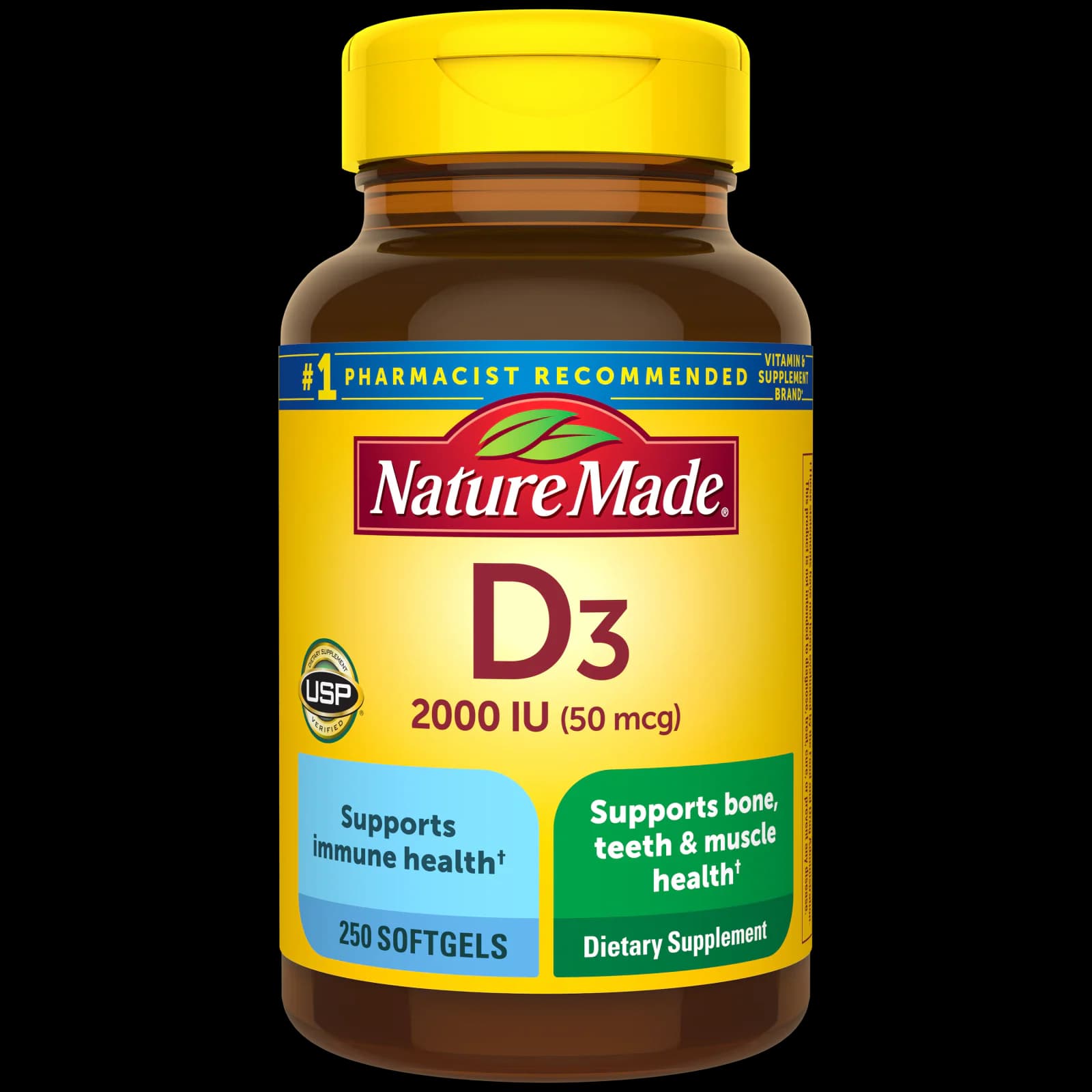
Nature Made
Vitamin D3 2000 IU Softgels
9.0Excellent
A USP Verified 2,000 IU vitamin D3 softgel in soybean oil for about 6 cents a day, the no-frills benchmark for daily vitamin D.
USP
4 videos ShopVitamins & Minerals
Single nutrients, dosed and tested: vitamin D, magnesium, B12, zinc, iron and C
Top picks
Nature Made
A USP Verified 2,000 IU vitamin D3 softgel in soybean oil for about 6 cents a day, the no-frills benchmark for daily vitamin D.
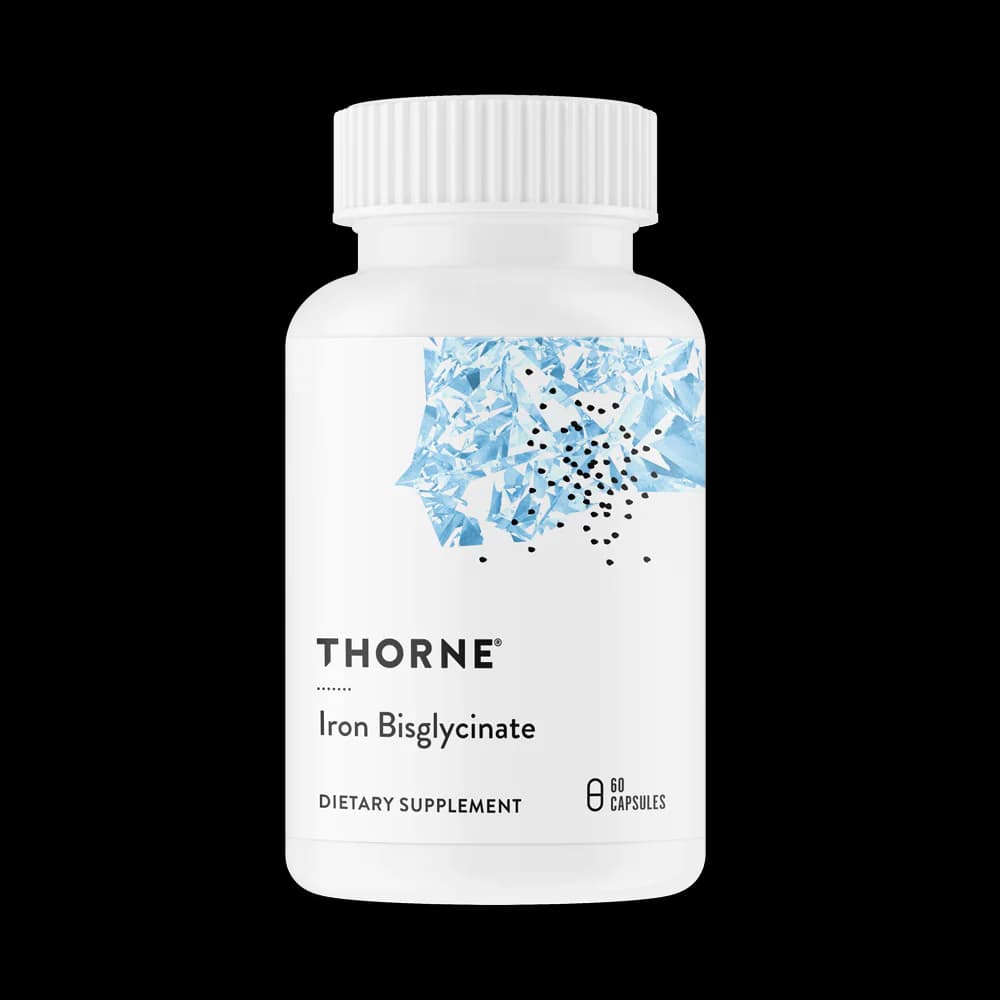
Thorne
25 mg of chelated iron (Ferrochel bisglycinate) in a small, NSF Certified for Sport capsule; gentler than iron salts for most, but only for people who need iron.
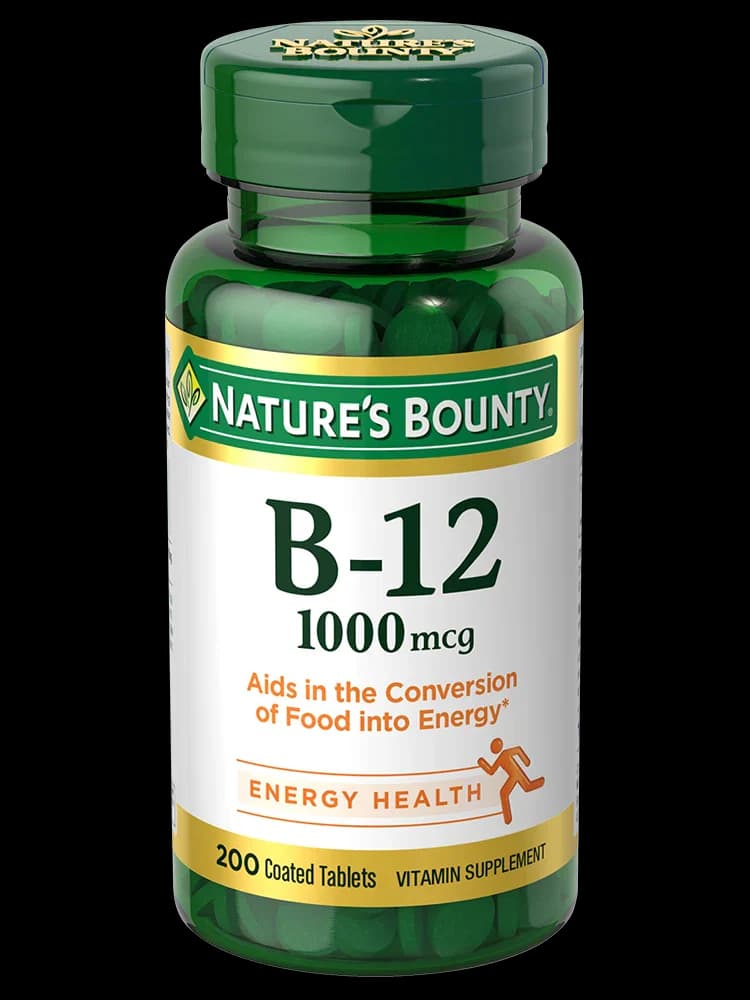
Nature's Bounty
A best-selling 1,000 mcg cyanocobalamin tablet at about 5 cents a day; small and easy to swallow, with no third-party seal.
The essentials
Single-nutrient supplements let you target a specific shortfall instead of taking a full multivitamin. The most popular are vitamin D, magnesium, vitamin B12, zinc, iron and vitamin C, and each has a clear job: vitamin D promotes calcium absorption for bone mineralization, magnesium is a cofactor in more than 300 enzyme systems, B12 is required for nervous system function and red blood cell formation, iron carries oxygen in hemoglobin, and zinc supports immune function.
They work best when they correct a real gap. NIH reports that 48% of Americans get less magnesium from food than the estimated average requirement, older adults and people who eat few animal foods are prone to low B12, and menstruating women have the highest iron needs. For people who already have adequate levels, results are more modest; in the VITAL trial, 2,000 IU of vitamin D3 a day did not reduce fractures or major cancers in mostly vitamin D-sufficient adults.
Because single nutrients come in higher doses, the form, the dose relative to the tolerable upper intake level, interactions with medicines and independent testing matter more here than in almost any other category. Our reviews weigh all four.
Every product
8 products
Nature Made
A USP Verified 2,000 IU vitamin D3 softgel in soybean oil for about 6 cents a day, the no-frills benchmark for daily vitamin D.
Thorne
25 mg of chelated iron (Ferrochel bisglycinate) in a small, NSF Certified for Sport capsule; gentler than iron salts for most, but only for people who need iron.
Nature's Bounty
A best-selling 1,000 mcg cyanocobalamin tablet at about 5 cents a day; small and easy to swallow, with no third-party seal.

Thorne
A small, NSF-certified 15 mg zinc picolinate capsule dosed near the RDA; TikTok-famous for skin anecdotes, and best paired with copper for long-term use.

NOW Foods
1,000 mg of vitamin C with rose hips in a sustained-release tablet for about 6 cents a day; far more than most people need, but cheap and cleanly made.

Doctor's Best
A long-running Amazon favorite: 200 mg of fully chelated magnesium per serving that is easy on the gut, but the tablets are large and the full label dose exceeds the UL.

Pure Encapsulations
Amazon's No. 1 magnesium: 120 mg of magnesium glycinate per capsule in a minimal, allergen-free formula that is gentle on the gut but pricey per milligram.

Sports Research
Amazon's top D3+K2 pick: vegan lichen D3 plus MK-7 K2 in coconut MCT oil; the 5,000 IU dose exceeds the adult upper limit for daily use.
Buying guide
The five things we look at first — and what they mean for you.
Single nutrients work best when they fix a real shortfall. Blood tests can check vitamin D (25-hydroxyvitamin D), B12 and iron status, including ferritin, and they help set the right dose. Iron in particular should not be taken without a reason: adult men need only 8 mg a day, and people with hereditary hemochromatosis should avoid iron supplements altogether.
Supplement Facts panels declare the elemental amount of a mineral, which is what counts, while marketing often highlights the heavier compound. Doctor's Best's 2,000 mg of magnesium lysinate glycinate chelate, for example, supplies 200 mg of magnesium. Compare products by the elemental figure and by cost per effective daily dose rather than by capsule count.
Many single-nutrient products exceed daily needs by design, and some exceed safe upper limits. Key adult ULs are vitamin D 4,000 IU, supplemental magnesium 350 mg, zinc 40 mg, iron 45 mg and vitamin C 2,000 mg, while vitamin B12 has none. Add up everything you take, including multivitamins, and be cautious with 5,000 IU vitamin D products or magnesium labels that suggest 400 mg a day.
Form matters most for tolerability. NIH lists magnesium oxide, carbonate, chloride and gluconate as the forms most often linked to diarrhea, and notes that iron amino-acid chelates such as bisglycinate may cause fewer gastrointestinal side effects than iron salts. For vitamin B12, NIH finds no evidence that absorption differs between cyanocobalamin and methylcobalamin, so the cheaper form is fine.
Vitamin K can interfere with warfarin. Magnesium, zinc and iron can reduce absorption of certain antibiotics, magnesium interacts with bisphosphonates, and iron should be taken at least four hours apart from levothyroxine. Metformin and acid-reducing drugs can lower B12 and iron absorption. Take iron apart from calcium and zinc supplements, and ask a pharmacist to review timing if you take regular medication.
Head to head
Ingredients
Video reviews
Key sources
Learn

Most people don't need electrolyte powders, but some do. Learn how much sodium you lose in sweat, how oral rehydration works, and when a high-sodium mix makes sense.
Nutrition Reviews Editorial Team · Sep 28, 2026
Serving sizes, %DV vs. upper limits, ingredient forms, proprietary blends and claims: a step-by-step method for reading any Supplement Facts panel with confidence.
Nutrition Reviews Editorial Team · Sep 28, 2026

Glycinate, citrate or L-threonate? Compare elemental magnesium, absorption and gut effects, plus what research shows for sleep, anxiety, constipation and migraine.
Nutrition Reviews Editorial Team · Sep 28, 2026
Minimum score