Nutricost
EAA Powder
A budget EAA powder at about $0.67 a serving that includes all nine essential amino acids, but 6 of its 8 g are BCAAs and several others are only token amounts.
BCAAs, EAAs and amino drinks: what the evidence supports and what it doesn't.
Top picks

Nutricost
A budget EAA powder at about $0.67 a serving that includes all nine essential amino acids, but 6 of its 8 g are BCAAs and several others are only token amounts.

Optimum Nutrition
A hugely popular caffeinated amino drink: 100 mg natural caffeine plus a 5 g proprietary amino blend led by taurine, glutamine and arginine, so EAA doses are unknown.

Xtend
A best-selling BCAA drink: 7 g BCAAs, glutamine and electrolytes with zero sugar, but BCAAs add little if you already eat enough protein.
The essentials
Amino acid supplements promise faster recovery and more muscle, but the research tells a narrower story. Building muscle protein requires all nine essential amino acids (EAAs), which your body can't make. The three branched-chain amino acids (BCAAs: leucine, isoleucine and valine) are only a subset, and a 2017 review by researcher Robert Wolfe concluded that the claim that BCAAs alone stimulate muscle protein synthesis is unwarranted. NIH's Office of Dietary Supplements likewise notes that BCAA supplements have not consistently been shown to improve performance, build muscle or aid recovery.
For most people the key is total protein. The ISSN recommends 1.4–2.0 g of protein per kg of body weight daily, in doses of roughly 20–40 g that contain 700–3,000 mg of leucine plus a balanced array of EAAs. If you already get that from food or protein powder, extra BCAAs add little.
EAA supplements have a better rationale than BCAAs, since they supply the full set, but formulas vary widely in balance and dose, and many 'amino energy' drinks are mainly caffeine products. Read the full amino acid breakdown, not just the headline grams.
Every product
5 products

Nutricost
A budget EAA powder at about $0.67 a serving that includes all nine essential amino acids, but 6 of its 8 g are BCAAs and several others are only token amounts.

Optimum Nutrition
A hugely popular caffeinated amino drink: 100 mg natural caffeine plus a 5 g proprietary amino blend led by taurine, glutamine and arginine, so EAA doses are unknown.

Xtend
A best-selling BCAA drink: 7 g BCAAs, glutamine and electrolytes with zero sugar, but BCAAs add little if you already eat enough protein.

Thorne
A well-balanced, NSF Certified for Sport EAA formula with 1.25 g leucine per scoop, but only about 4 g of amino acids for roughly $1.73 a serving.

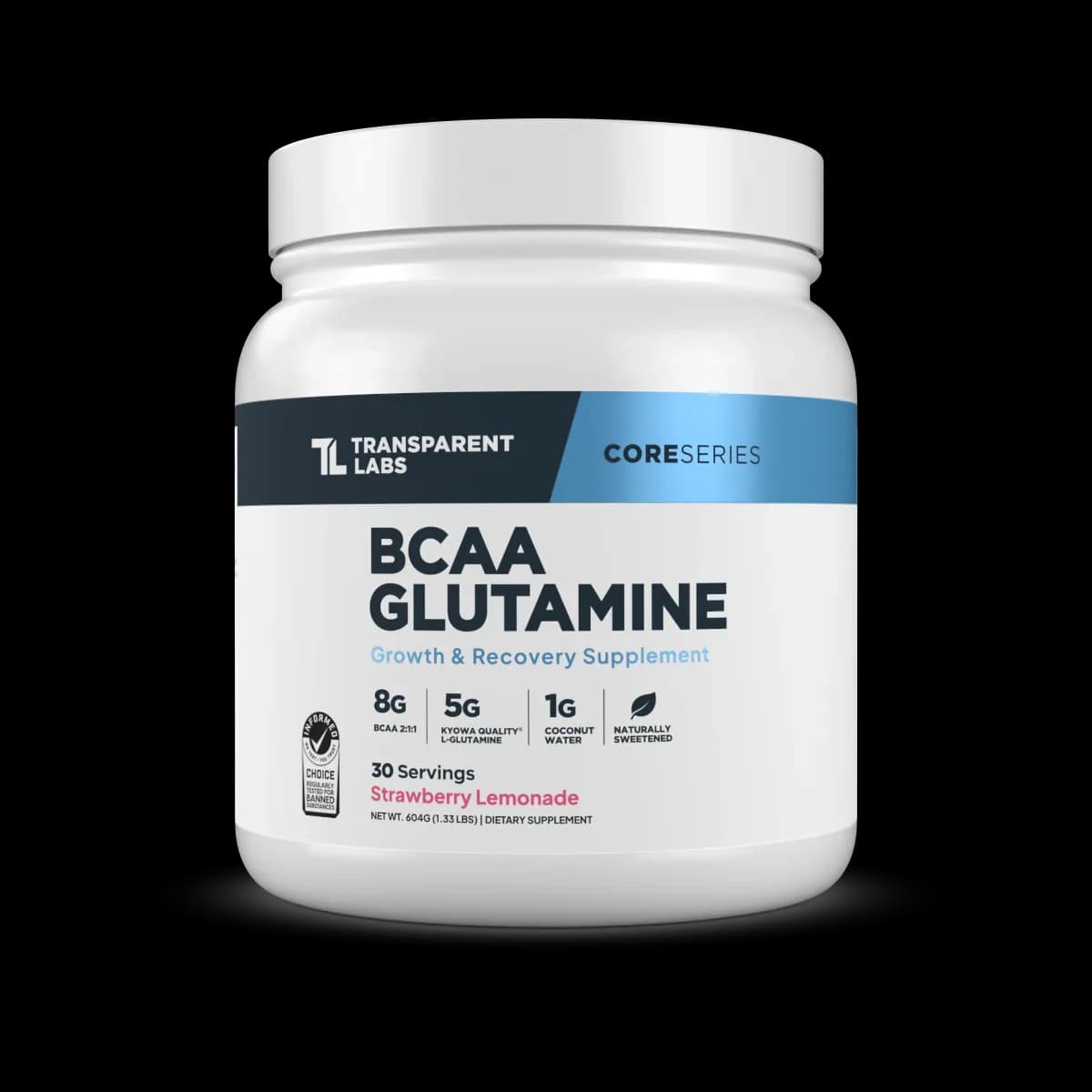
Transparent Labs
Clean-label BCAA drink with 8 g fermented BCAAs, 5 g glutamine and no artificial sweeteners, but about $1.33 a serving and 1,500 mg of vitamin C per scoop.
Buying guide
The five things we look at first — and what they mean for you.
Amino acid products only make sense on top of adequate protein. The ISSN recommends 1.4–2.0 g per kg of body weight daily for most exercising people, spread across meals of roughly 20–40 g. Food and protein powders supply all nine essential amino acids, usually for less money per gram than free-form amino supplements, so check your diet before buying a drink.
BCAAs are three of the nine essential amino acids, and research has not found that they build muscle on their own. EAA products include the full set, which is what muscle protein synthesis actually requires. If you want an amino supplement, for example during long training sessions or when you can't eat, an EAA formula is the more defensible choice.
Headline grams can mislead. Some EAA products are mostly BCAAs with token amounts of the others; one budget formula we reviewed listed 6 of its 8 g as BCAAs and just 10 mg of methionine. Look for meaningful amounts of every essential amino acid and 700–3,000 mg of leucine per serving, the range the ISSN recommends per protein dose.
A proprietary 'amino blend' lists ingredients without individual amounts, so you can't tell whether you're getting useful doses of essential amino acids or mostly cheaper non-essential ones such as taurine and glutamine. Popular 'amino energy' products also contain caffeine (100 mg per serving in the best-known one), which adds up quickly alongside coffee or a pre-workout.
Named programs such as NSF Certified for Sport or Informed Choice screen for banned substances and are especially important for tested athletes. Also check the extras: some amino drinks add artificial sweeteners and dyes, and one BCAA product we reviewed packs 1,500 mg of vitamin C per scoop, three-quarters of the 2,000 mg adult upper limit.
Head to head
Ingredients
Video reviews
Learn

Ashwagandha has real trials for stress and sleep, rare but serious liver risks and growing regulatory scrutiny. What extract names mean and which doses were studied.
Nutrition Reviews Editorial Team · Sep 28, 2026

Collagen has dozens of trials behind it, but much of the research is industry-funded. What holds up for skin, joints and hair, plus the doses studies used.
Nutrition Reviews Editorial Team · Sep 28, 2026

How much creatine to take for your weight, whether to load, and what research says about water weight, hair loss, kidneys, the brain and pricier forms.
Nutrition Reviews Editorial Team · Sep 28, 2026
Minimum score