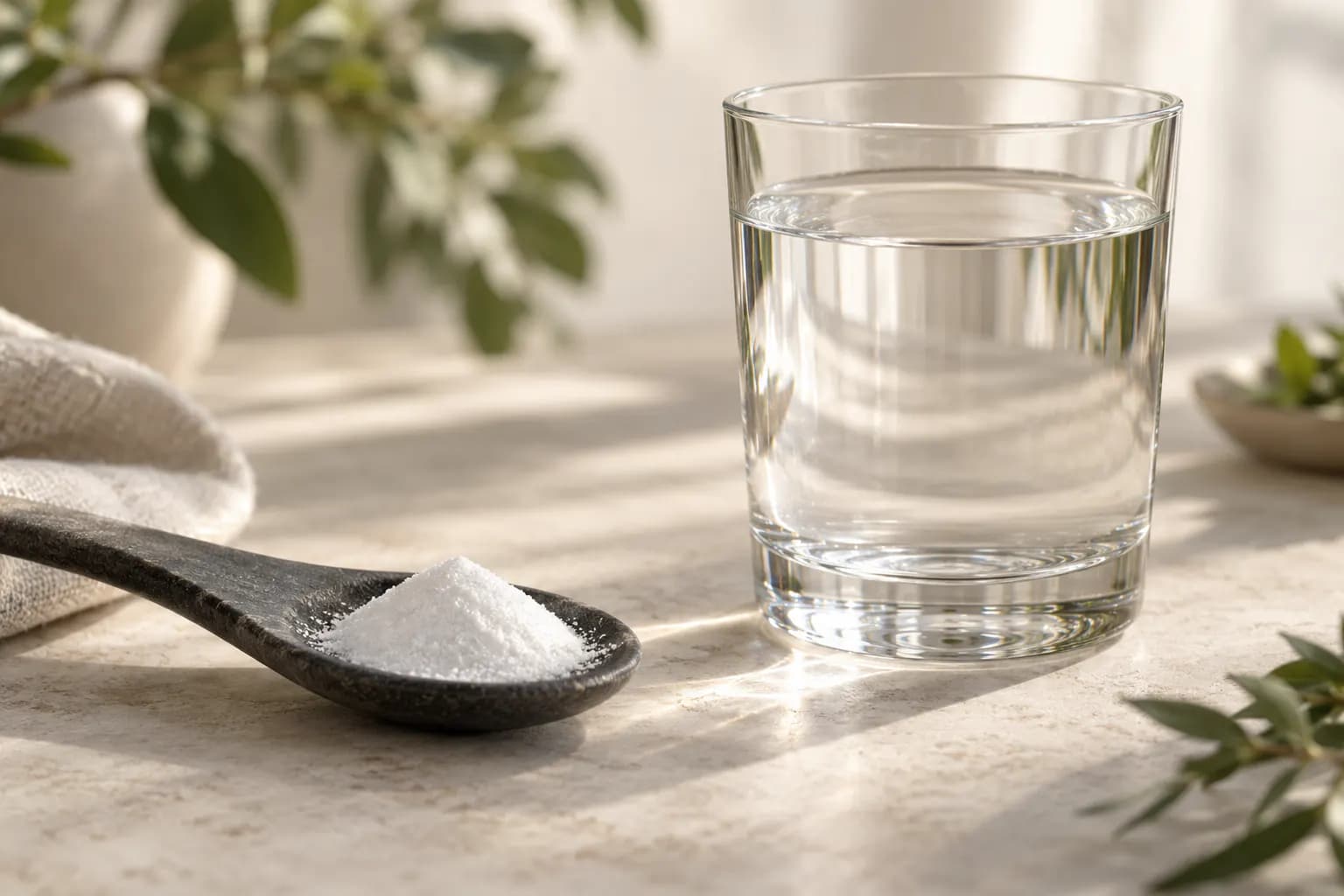

#1 Best Overall
Thorne
Creatine
8.9Excellent
NSF Certified for Sport creatine monohydrate: one ingredient, 5 g per scoop, tested for label accuracy and banned substances, at about $0.49 a serving.
NSF Sport
4 videos Shop$0.49/serving
The most researched sports supplement, and one of the cheapest to buy well.
Top picks
Thorne
NSF Certified for Sport creatine monohydrate: one ingredient, 5 g per scoop, tested for label accuracy and banned substances, at about $0.49 a serving.

Optimum Nutrition
One of America's best-selling creatine tubs: 5 g of micronized monohydrate per scoop, Informed Choice certified, about $0.20–$0.30 a serving.
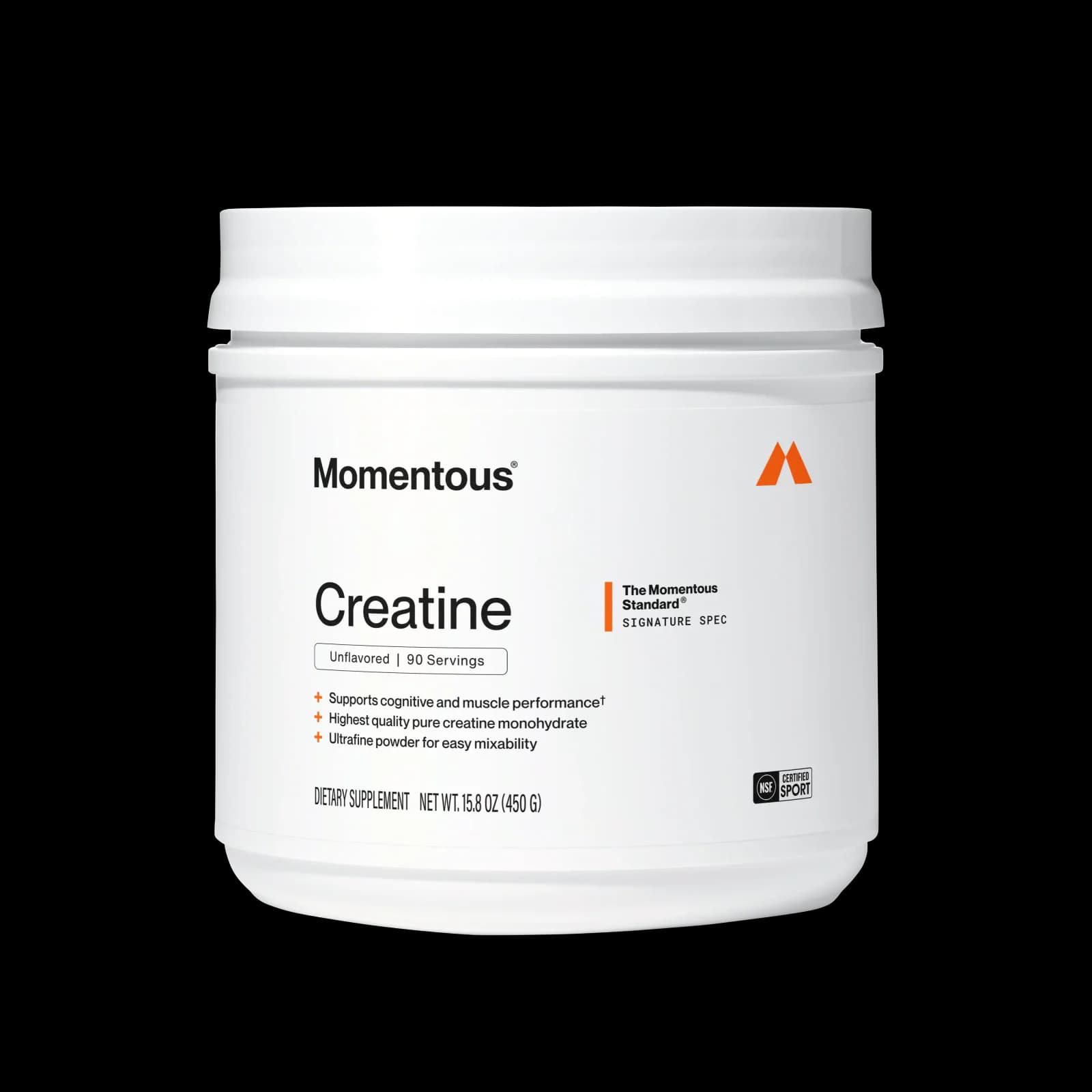
Momentous
NSF Certified for Sport creatine with batch COAs; Momentous has swapped Creapure for its own 'Signature Spec' monohydrate made in a pharmaceutical facility.
The essentials
Creatine is a compound your body makes from amino acids and also gets in small amounts from meat and fish. It is stored in muscle as phosphocreatine, which helps regenerate ATP during short, intense efforts. According to the International Society of Sports Nutrition (ISSN), supplementing raises muscle creatine and phosphocreatine stores by roughly 20–40%, and the society calls creatine monohydrate the most effective nutritional supplement available for increasing high-intensity exercise capacity and lean body mass during training.
The payoff shows up in repeated bursts of hard work: lifting, sprinting and stop-and-go team sports. Studies include both men and women, and vegetarians, who start with lower muscle creatine, may respond more. The standard approach is 3–5 g a day; an optional loading phase of about 20 g a day for five to seven days simply saturates muscles faster. At recommended doses creatine is well tolerated, with early water retention the most common side effect, and more than 20 years of research has found no adverse effects on kidney health.
Because the active ingredient is the same across brands, the real differences come down to testing, format and price per 5 g serving.
Every product
7 products
Thorne
NSF Certified for Sport creatine monohydrate: one ingredient, 5 g per scoop, tested for label accuracy and banned substances, at about $0.49 a serving.
Optimum Nutrition
One of America's best-selling creatine tubs: 5 g of micronized monohydrate per scoop, Informed Choice certified, about $0.20–$0.30 a serving.
Momentous
NSF Certified for Sport creatine with batch COAs; Momentous has swapped Creapure for its own 'Signature Spec' monohydrate made in a pharmaceutical facility.
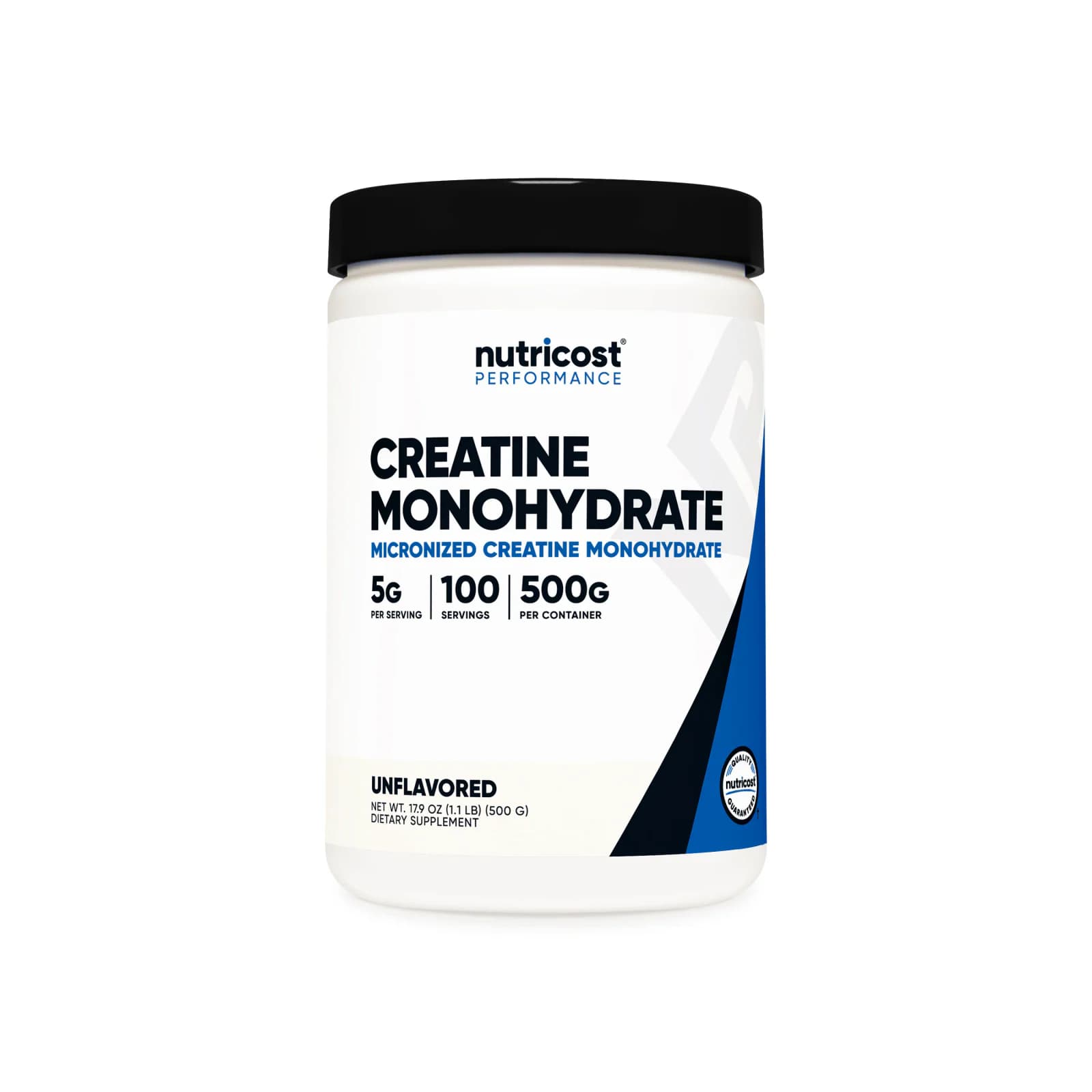
Nutricost
The budget benchmark: 5 g of micronized creatine monohydrate for about $0.22 a serving, scoop included, and one of TikTok Shop's top-selling creatine tubs.

Bloom Nutrition
TikTok Shop's pastel-tub creatine for women: a proper 5 g of micronized monohydrate per scoop, but about $0.50 a serving with no named certification.

Transparent Labs
A double-certified creatine stack with 5 g creatine plus 1.5 g HMB. The quality is excellent, but at about $1.67 a serving you pay a lot for add-ons with modest evidence.

Create Wellness
The creator-favorite creatine gummy that actually passed independent lab testing, but at about $1.67–$2.00 a serving plus 5 g of sugar per three gummies.
Buying guide
The five things we look at first — and what they mean for you.
Monohydrate is the form behind nearly all creatine research, and about 99% of an oral dose is absorbed or excreted intact. A 2021 expert review found no peer-reviewed evidence that creatine HCl, ethyl ester, nitrate, buffered or other forms raise muscle creatine more than monohydrate at equal doses. 'Micronized' simply means milled finer for easier mixing, and branded Creapure is monohydrate made by a German producer.
Check that one serving delivers 3–5 g of creatine itself, not a 'creatine blend' of unstated amount. That range maintains saturated muscle stores for most people, though the ISSN notes larger athletes may need up to 5–10 g a day. Be wary of products that split the dose across several gummies or capsules; count how many you need for a full serving and factor that into the price.
NSF Certified for Sport and Informed Choice or Informed Sport are independent programs that screen for banned substances, and NSF also verifies label claims. They matter most for drug-tested athletes, but they are useful assurance for anyone. A generic 'third-party tested' badge without a named lab or program is better than nothing, but it can't be checked the way a certification database listing can.
Plain monohydrate from mainstream brands ran about $0.20 to $0.30 per serving when we checked, and NSF-certified premium tubs about $0.45 to $0.50. Gummies and combination products cost far more, often $1.50 to $2.00 per serving, without delivering more creatine. Larger tubs usually cut the per-serving price, and unflavored versions are typically the cheapest.
In a June 2025 report from supplement app SuppCo, an accredited lab found that four of six best-selling creatine gummies contained essentially no creatine, while two, including Create, met or exceeded their label claims. If you want gummies, choose a brand listed as NSF Certified for Sport. Add-ons such as HMB, black pepper extract or 'women's formulas' add cost more reliably than they add results.
Head to head
Ingredients
Video reviews
Key sources
Learn
How much creatine to take for your weight, whether to load, and what research says about water weight, hair loss, kidneys, the brain and pricier forms.
Nutrition Reviews Editorial Team · Sep 28, 2026
Caffeine dosing by body weight, plus what research says about creatine, beta-alanine, citrulline, nitrates, tyrosine, proprietary blends and stimulant safety.
Nutrition Reviews Editorial Team · Sep 28, 2026
What USP, NSF and Informed Sport seals actually test, how to verify a certification in two minutes, how to read a certificate of analysis, and where testing stops.
Nutrition Reviews Editorial Team · Sep 28, 2026
Minimum score