Head to head · Gut Health & Probiotics
Metamucil 4-in-1 Psyllium Fiber Powder, Sugar-Free vs Seed DS-01 Daily Synbiotic
Metamucil scores higher overall (8.3 vs 7.4 out of 10), mainly on efficacy, value and transparency. Seed still leads on quality & purity.
Updated September 2026 from our full reviews · How we score
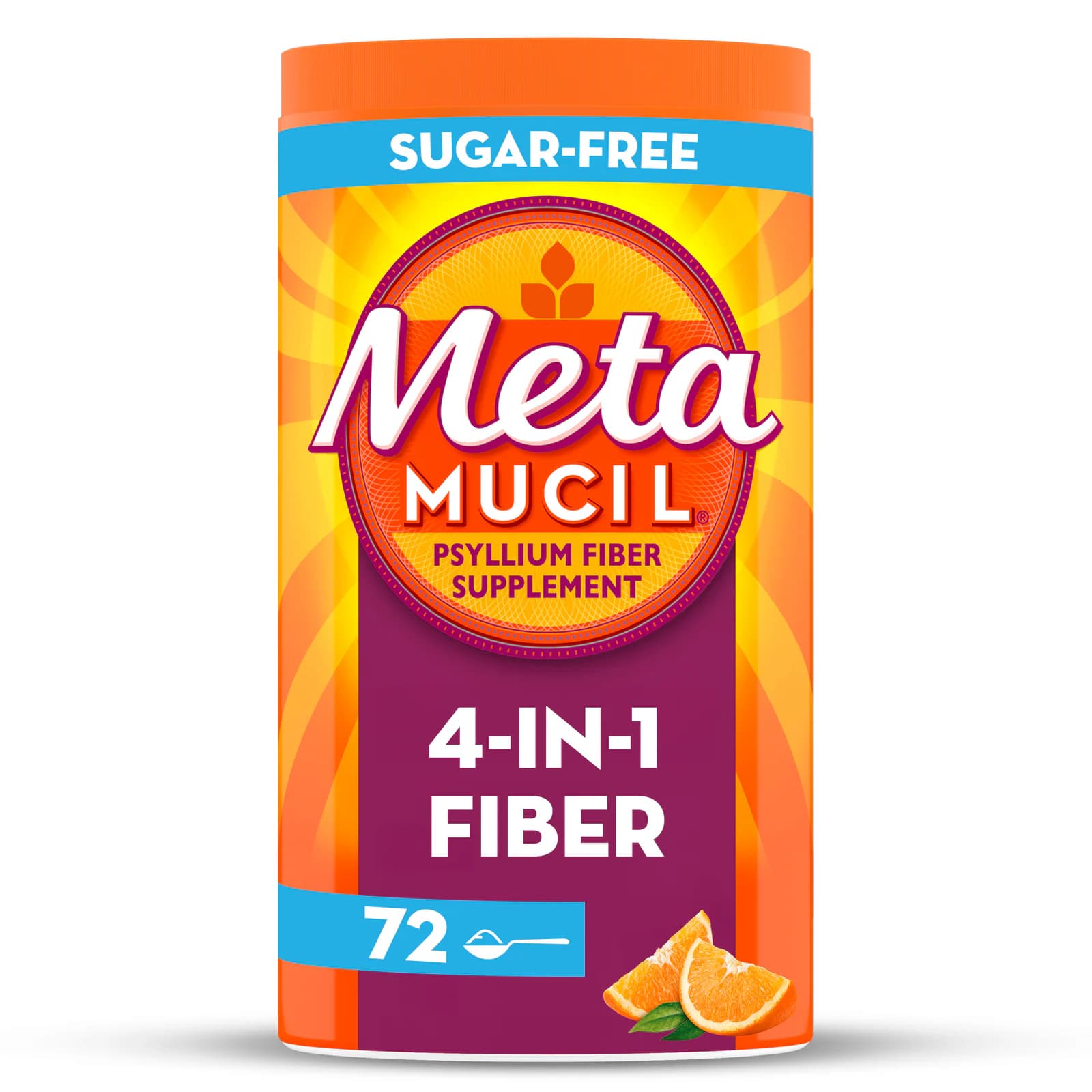
Classic psyllium fiber with some of the strongest evidence in the aisle for regularity and LDL cholesterol, at about 19 cents a teaspoon. Contains aspartame and dye.
We may earn a commission when you buy through these links — it never affects our scores. How we make money
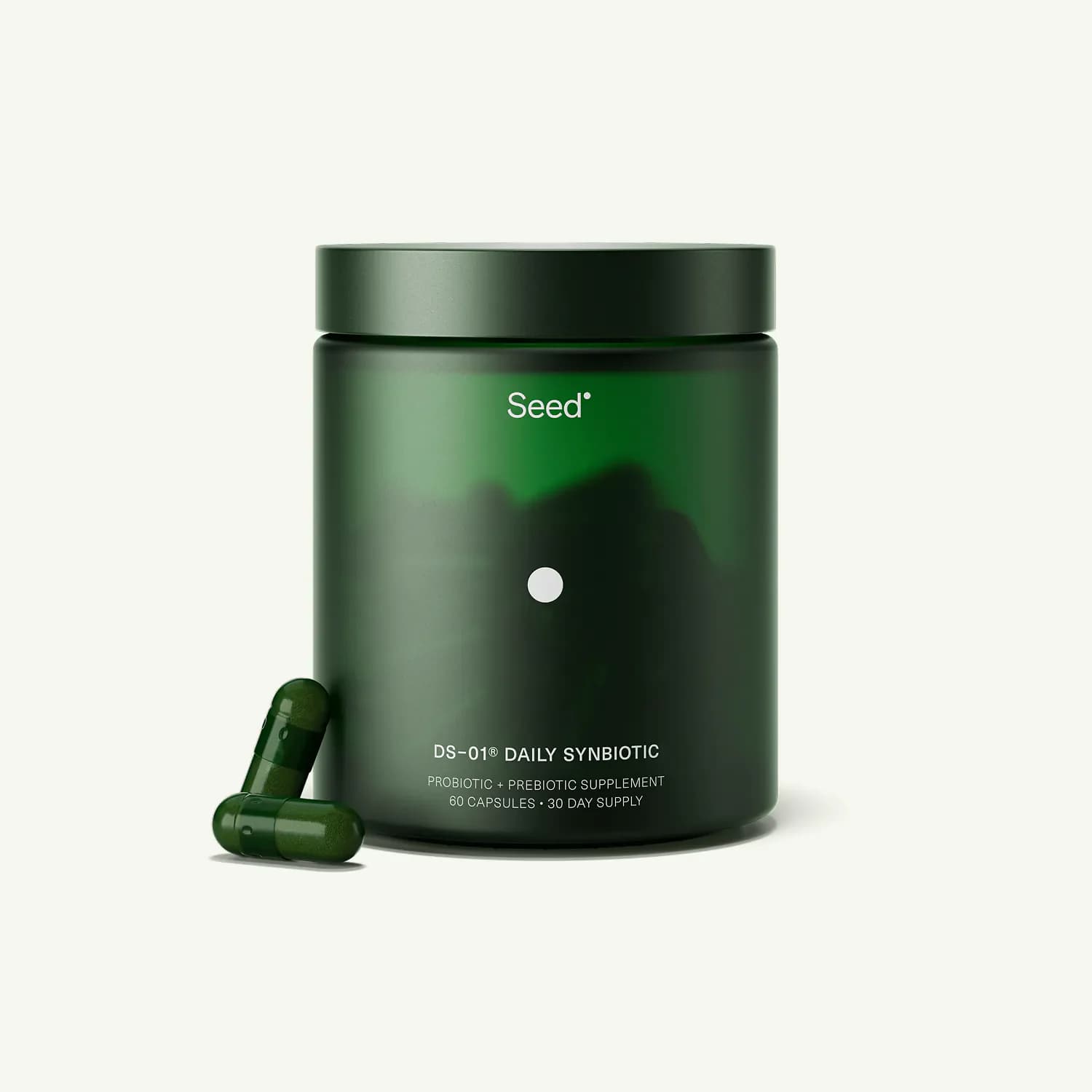
A 24-strain probiotic plus pomegranate prebiotic backed by its own 350-person trial on bloating and gas. Strong science, premium price.
We may earn a commission when you buy through these links — it never affects our scores. How we make money
We may earn a commission when you buy through these links — it never affects our scores. How we make money
The short answer
Choose Metamucil if…
- Regularity support
- LDL cholesterol support alongside a heart-healthy diet
- Budget shoppers
- Anyone who wants a well-studied fiber
- You care most about efficacy, value, transparency
Choose Seed if…
- Occasional bloating and gas
- People who want a formula tested as a whole
- Travelers who need a shelf-stable probiotic
- Vegan and gluten-free diets
- You care most about quality & purity
Key differences
- Biggest scoring gap
- Value: Metamucil 9.0, Seed 6.0. This factor covers cost per effective serving compared with category peers.
- Independent testing
- Neither carries an independent certification we could verify, such as NSF, USP or Informed Choice.
- Formula
- Of the key ingredients in our reviews, only Metamucil lists psyllium, and only Seed lists probiotics.
- Format
- Metamucil: powder, 180 servings per container; Seed: capsule, 30 servings per container.
- Dietary labels
- Only Metamucil is labeled sugar-free. Only Seed is labeled vegan, vegetarian, dairy-free, keto-friendly and non-GMO.
Side by side
| 4-in-1 Psyllium Fiber Powder, Sugar-Free | DS-01 Daily Synbiotic | |
|---|---|---|
| Our score | 8.3 / 10 | 7.4 / 10 |
| Efficacy (30%) | 8.8 | 8.2 |
| Quality & Purity (25%) | 7.5 | 8.0 |
| Value (20%) | 9.0 | 6.0 |
| Experience (15%) | 7.5 | 7.8 |
| Transparency (10%) | 8.5 | 6.0 |
| Form | Powder | Capsule |
| Serving | 1 rounded teaspoon (5.8 g)180 servings per container | 2 capsules30 servings per container |
| Price per serving | See retailer | $1.67 |
| Testing & certifications | None verified | Third-party tested |
| Dietary | Gluten-free, Sugar-free | Vegan, Vegetarian, Gluten-free, Dairy-free, Keto-friendly, Non-GMO |
| Key ingredients |
|
|
| Flavors | 1 (Orange) | — |
| Creator video reviews | 3 | 4 |
Pros and cons
4-in-1 Psyllium Fiber Powder, Sugar-Free
- Psyllium is backed by strong meta-analyses for constipation and LDL cholesterol
- About 19 cents a teaspoon, or roughly 58 cents a day at three servings
- Fully disclosed label with no proprietary blends
- Contains aspartame and Yellow 6 dye
- The studied benefits take about three teaspoons a day, not one
DS-01 Daily Synbiotic
- The finished formula was tested in a 350-person randomized, placebo-controlled trial on bloating and gas
- All 24 strains are listed with strain designations
- Potency is guaranteed through the expiration date, and it's shelf-stable up to 79°F
- About $1.67–$2.00 a day, several times the cost of mainstream probiotics
- Strains are grouped into four blends with no per-strain amounts
Our verdict: Metamucil vs Seed
Metamucil is the stronger product overall, 8.3 to 7.4 in our scoring, ahead on efficacy, value and transparency. Each full review shows the evidence, testing and buyer feedback behind these scores.
What creators say
Questions people ask
Is Metamucil better than Seed?
Who should choose Metamucil over Seed?
What is the difference between Metamucil and Seed?
More gut health & probiotics comparisons
Digestive Daily Probiotic Capsules vs 4-in-1 Psyllium Fiber Powder, Sugar-Free
4-in-1 Psyllium Fiber Powder, Sugar-Free vs Digestive Enzymes
Digestive Daily Probiotic Capsules vs DS-01 Daily Synbiotic
Digestive Enzymes vs DS-01 Daily Synbiotic
Digestive Daily Probiotic Capsules vs Digestive Enzymes
See all gut health & probiotics, ranked