#1 Best Overall
8.3Good
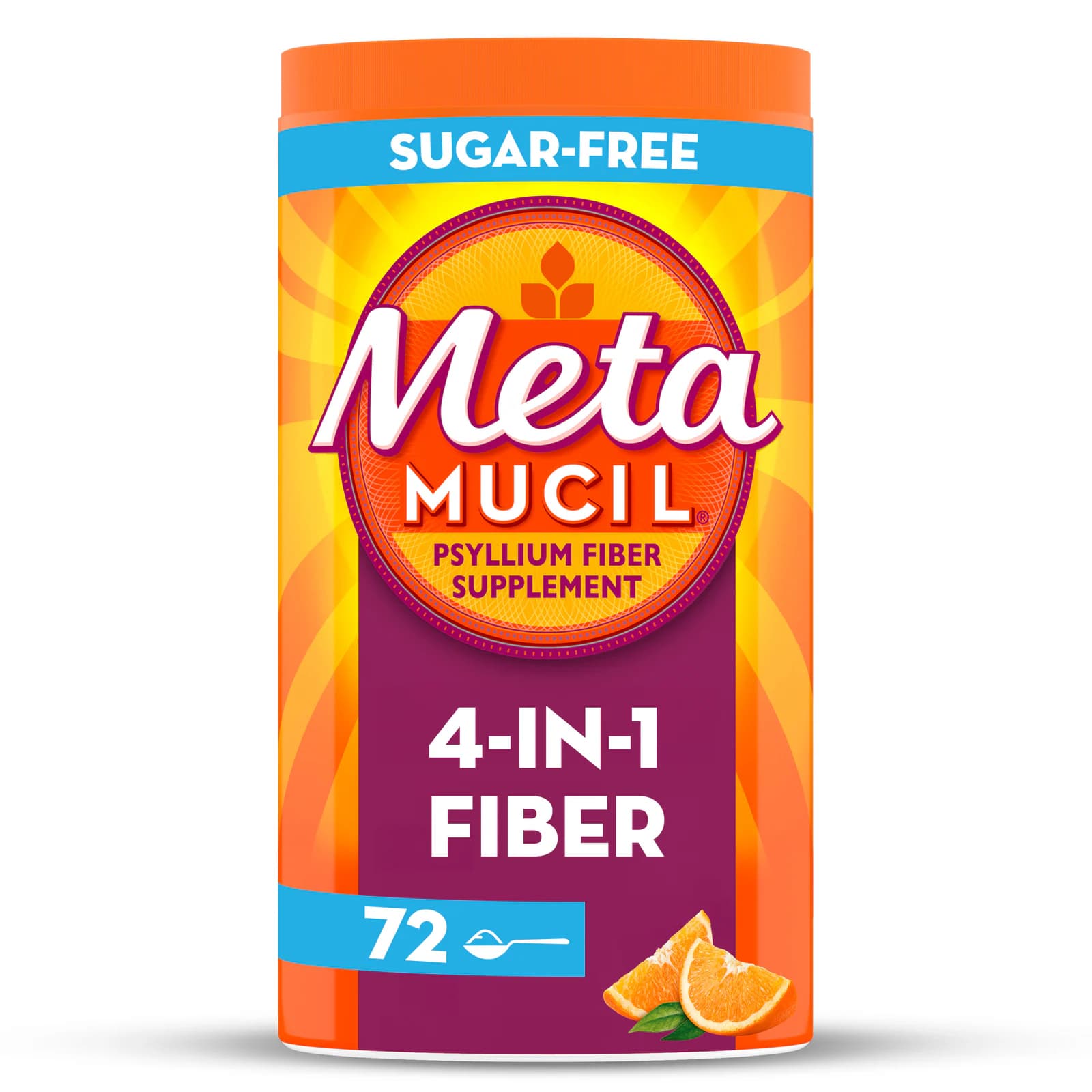
Classic psyllium fiber with some of the strongest evidence in the aisle for regularity and LDL cholesterol, at about 19 cents a teaspoon. Contains aspartame and dye.
3 videosGut Health & Probiotics
Probiotics, synbiotics and fiber, rated on strain-level evidence, not hype.
Top picks
Classic psyllium fiber with some of the strongest evidence in the aisle for regularity and LDL cholesterol, at about 19 cents a teaspoon. Contains aspartame and dye.

Culturelle
One capsule of 10 billion CFU Lactobacillus rhamnosus GG plus 200 mg inulin, with potency guaranteed to expiration, for about 60 cents a day.

A 24-strain probiotic plus pomegranate prebiotic backed by its own 350-person trial on bloating and gas. Strong science, premium price.
The essentials
Gut-health supplements promise easier digestion, less bloating and more regular bowel movements. The category now spans probiotics, synbiotics (probiotics plus prebiotics), fiber supplements and herbal "debloat" blends. The evidence is real but narrow. Probiotic effects are strain-specific: a trial of one strain tells you little about another, even within the same species. That's why we look for products that name their strains (for example, Lactobacillus rhamnosus GG) and match the doses that were studied. Research summarized by NIH's National Center for Complementary and Integrative Health (NCCIH) suggests probiotics may help with antibiotic-associated diarrhea and some IBS symptoms, but which strains work best is still uncertain.
Fiber is the better-proven option for regularity. A 2022 meta-analysis of 16 randomized trials found that fiber supplements improved chronic constipation, especially psyllium taken at more than 10 g a day for at least four weeks.
We rate gut-health products on clinically studied strains and doses, potency guaranteed through expiration rather than at manufacture, third-party testing, price per effective dose and honest marketing. Many products advertise huge CFU counts for strains with no published research. And supplements don't replace medical care: constipation lasting more than a week or any rectal bleeding should be checked by a doctor.
Every product
7 products
Classic psyllium fiber with some of the strongest evidence in the aisle for regularity and LDL cholesterol, at about 19 cents a teaspoon. Contains aspartame and dye.
Culturelle
One capsule of 10 billion CFU Lactobacillus rhamnosus GG plus 200 mg inulin, with potency guaranteed to expiration, for about 60 cents a day.
A 24-strain probiotic plus pomegranate prebiotic backed by its own 350-person trial on bloating and gas. Strong science, premium price.

Physician's Choice
Amazon's mega-seller: 60 billion CFU from 10 species plus prebiotic fiber, third-party tested and cheap. But it names no strains, so it can't be matched to research.

Ritual
Two of the best-studied probiotic strains (LGG, BB-12) at 11B CFU guaranteed to expiration, plus a phage prebiotic and tributyrin. Top testing, premium price.

A doctor-recommended single strain with IBS research behind it, but only 10 million CFU is guaranteed by the best-by date, and trial results are mixed.

Arrae
Social media's favorite debloat capsule: ginger plus a proprietary herb and bromelain blend. Clean and tested, but the evidence is thin and it costs about $1.70 a dose.
Buying guide
The five things we look at first — and what they mean for you.
Probiotic research is strain-specific, so 'Lactobacillus rhamnosus' alone tells you little. Look for labels that list strain designations, such as LGG, BB-12 or B. longum 35624, that you can link to published human trials. A product that lists only species, or hides amounts inside a proprietary blend, can't be matched to the evidence, however high its CFU count.
A count 'at time of manufacture' can fall sharply by the time you take it. Align's label, for example, promises 1 billion CFU at manufacture but only 10 million by the best-by date. Better brands guarantee the stated count through expiration. Follow the storage directions on the label, and refrigerate if it tells you to.
For regularity, a proven fiber such as psyllium usually beats a probiotic; a meta-analysis found the best results at more than 10 g of fiber a day for four weeks or longer. For digestive support during antibiotics, LGG has the most data. For occasional bloating, look for a product tested for that outcome rather than a generic 'gut health' claim.
Unlike drugs, dietary supplements aren't approved by the FDA before they're sold, so independent testing matters. Look for NSF, USP or Clean Label Project marks, or at least published certificates of analysis covering heavy metals and microbes. Blister packs and moisture-protective bottles help keep live bacteria viable until you take them.
Prices run from about 20 cents to about $2 a day. Compare the cost of the dose used in studies, not the price per bottle. A cheap product with unstudied strains is poor value, and a premium synbiotic makes sense only if its evidence is meaningfully better. Start with the simplest option that fits your goal, and give it about four weeks.
Head to head
Ingredients
Video reviews
Key sources
Learn
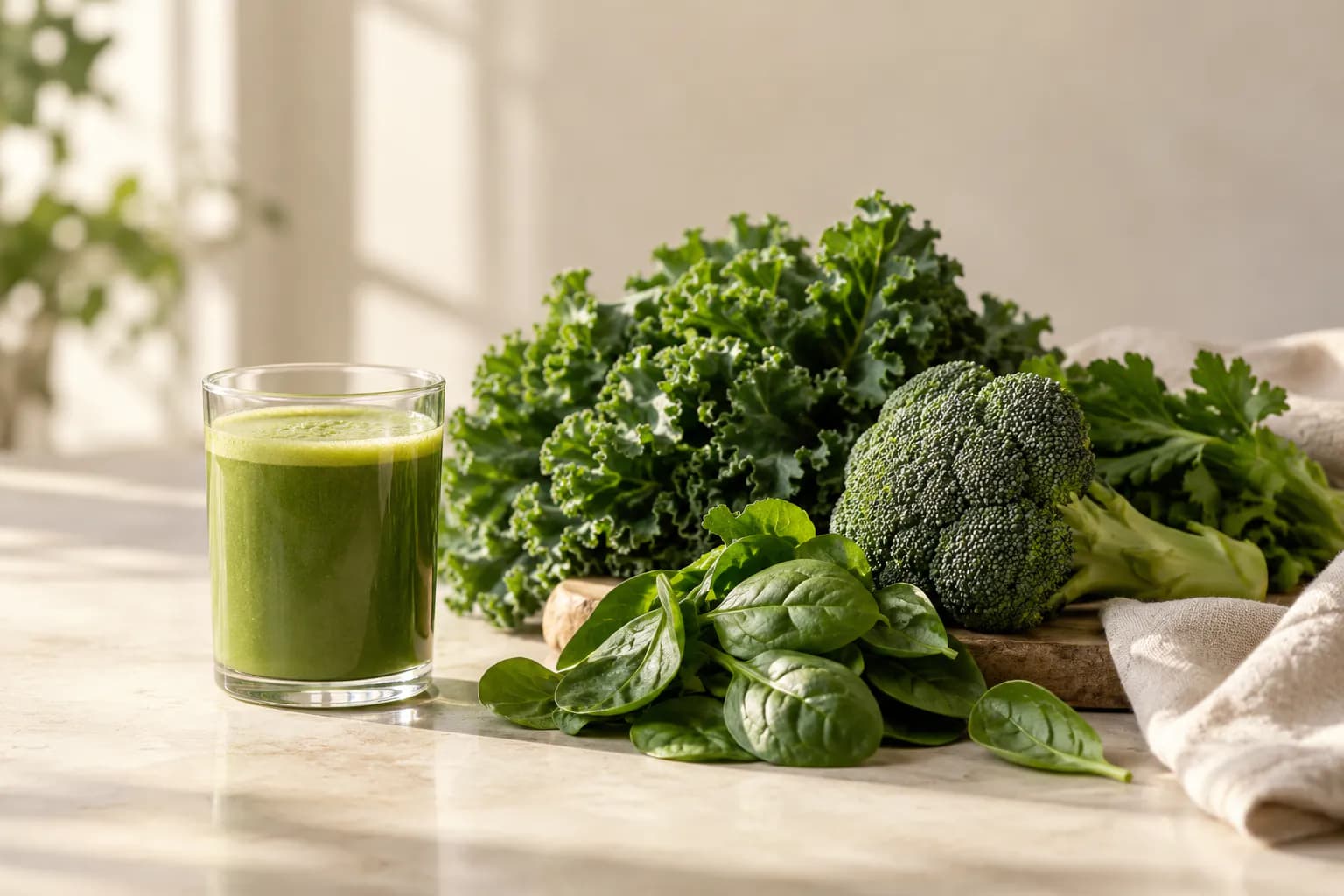
What's in greens powders, what the limited research shows, why blends and contaminant testing matter, how the cost compares with frozen vegetables, and who might benefit.
Nutrition Reviews Editorial Team · Sep 28, 2026
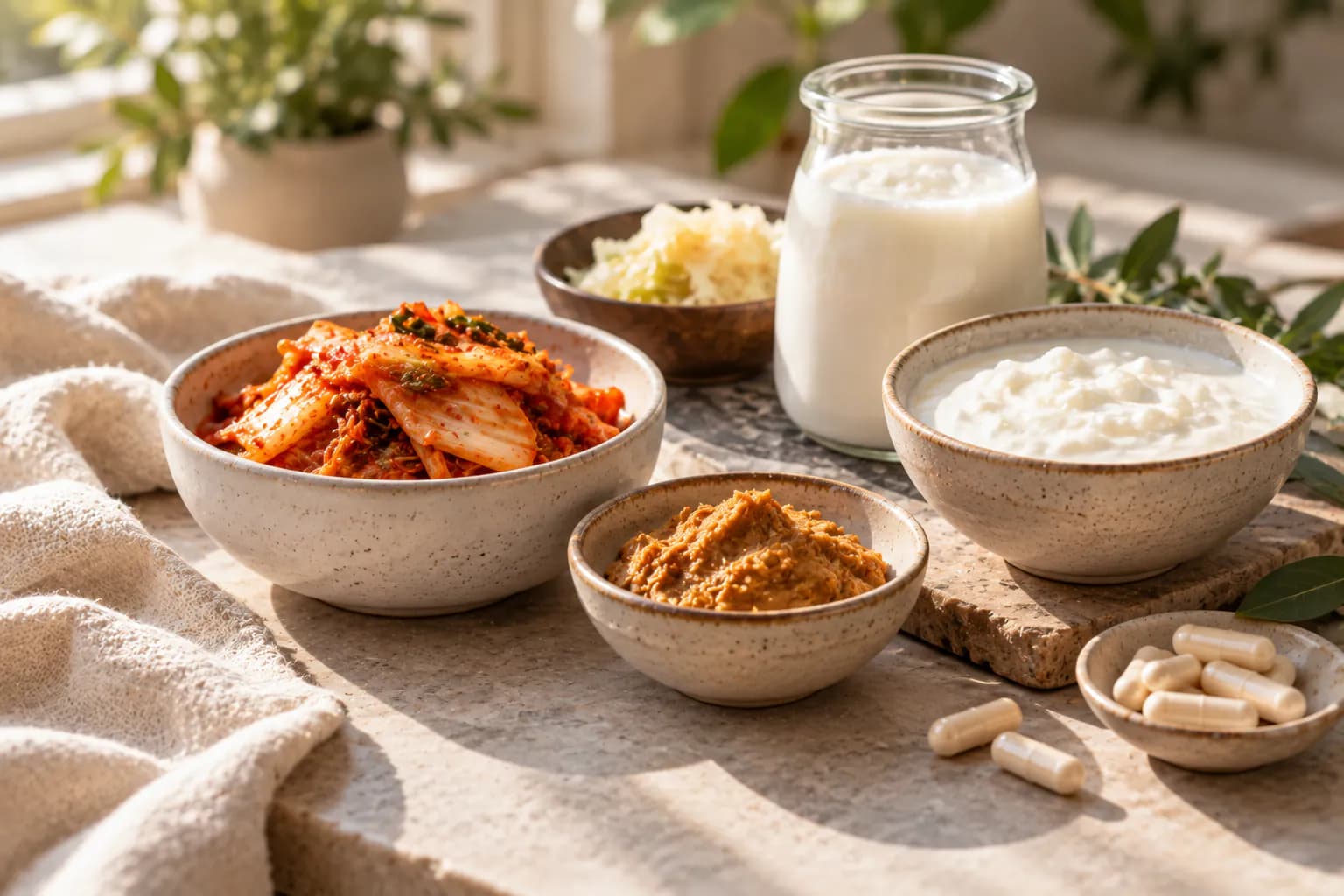
Probiotic benefits depend on the exact strain and dose. How to read strain names and CFU claims, where the evidence is solid or mixed, and who should skip them.
Nutrition Reviews Editorial Team · Sep 28, 2026
How creator commissions work, what TikTok and the FTC require, where counterfeit and contamination risks hide, and a 10-minute checklist before you tap 'buy'.
Nutrition Reviews Editorial Team · Sep 28, 2026
Minimum score