Head to head · Collagen
Micro Ingredients Multi Collagen Peptides Powder vs Sports Research Collagen Peptides
Sports Research scores higher overall (8.0 vs 7.1 out of 10), mainly on quality & purity, experience and transparency.
Updated October 2026 from our full reviews · How we score
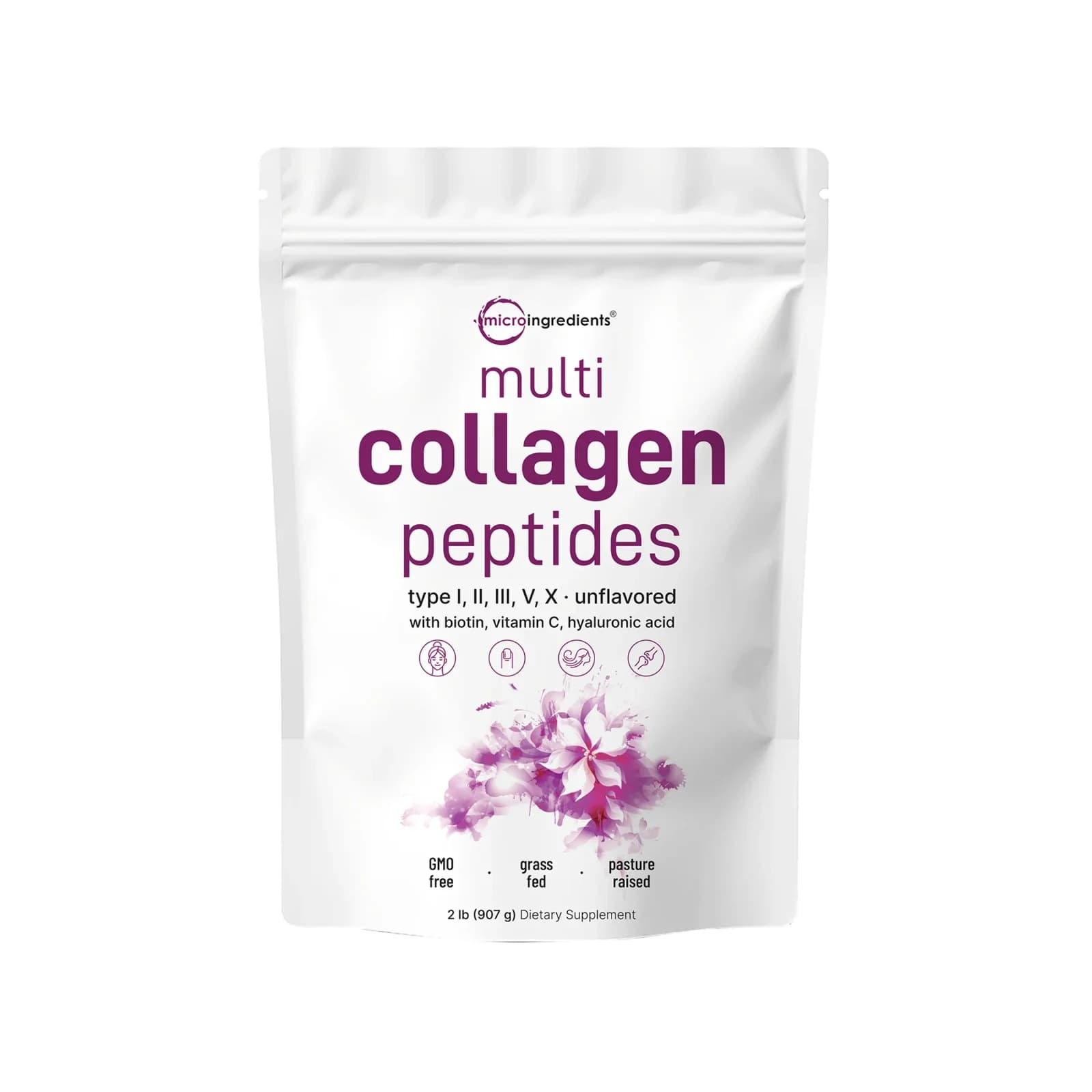
A TikTok Shop favorite with 10.9 g of four-source collagen for about 61 cents a scoop, but source amounts are hidden and it adds 8,333% DV biotin.
We may earn a commission when you buy through these links — it never affects our scores. How we make money
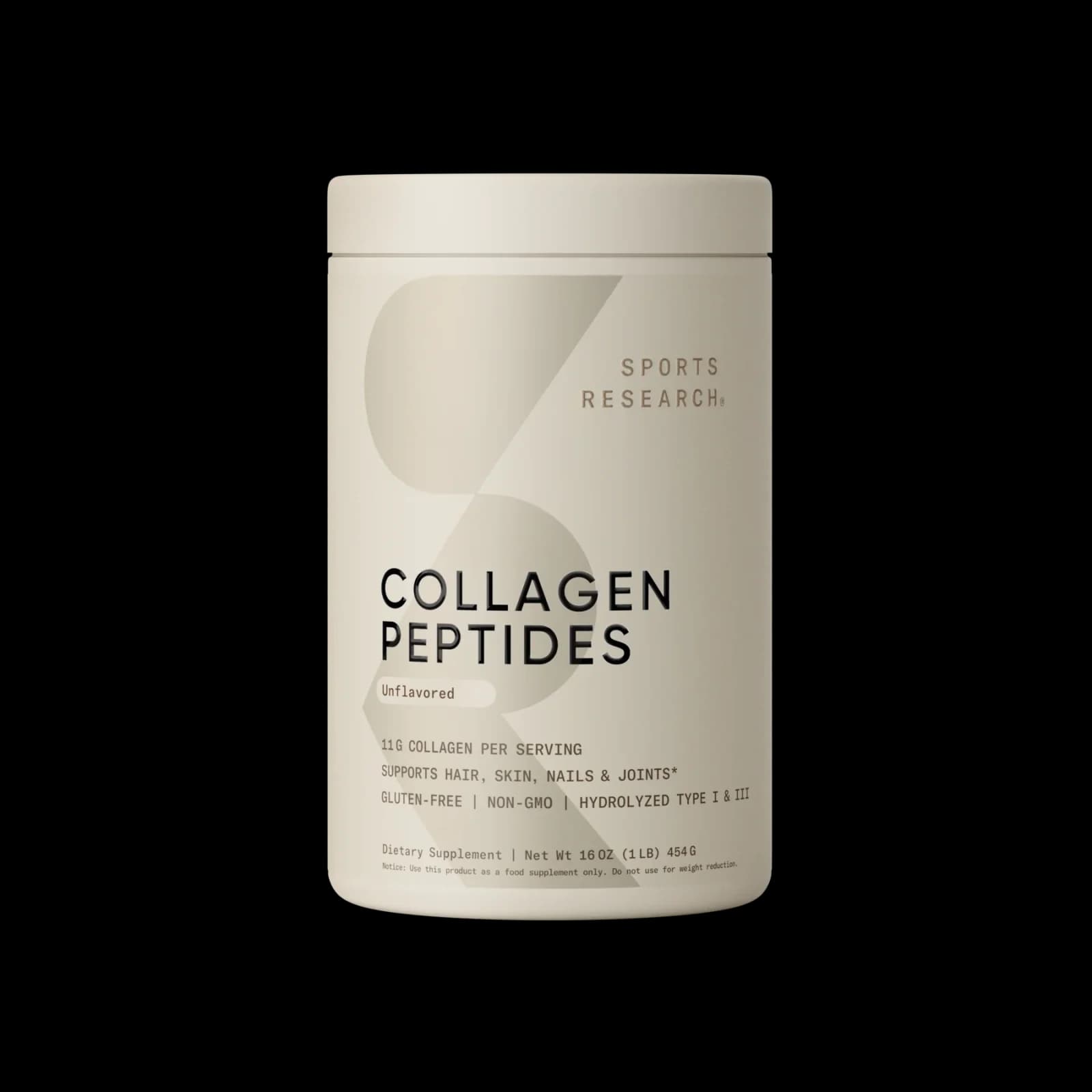
Single-ingredient bovine collagen with a full amino acid profile on the label, NSF Certified Gluten-Free; 11 g scoops make the dose flexible, and it is a TikTok Shop staple.
We may earn a commission when you buy through these links — it never affects our scores. How we make money
We may earn a commission when you buy through these links — it never affects our scores. How we make money
The short answer
Choose Micro Ingredients if…
- Budget shoppers who want about 11 g of collagen for roughly 61 cents a serving
- People who stir an unflavored powder into coffee or smoothies
- Buyers who like vitamin C and hyaluronic acid in the same scoop
Choose Sports Research if…
- People who want a single-ingredient collagen with full label detail
- Adjustable dosing, from 11 g to 22 g
- Daily use in hot coffee or tea
- You care most about quality & purity, experience, transparency
Key differences
- Biggest scoring gap
- Transparency: Sports Research 9.2, Micro Ingredients 5.0. This factor covers full label disclosure (no proprietary blends), available COAs, honest marketing.
- Independent testing
- Neither carries an independent certification we could verify, such as NSF, USP or Informed Choice.
- Collagen peptides
- Sports Research lists 11 g of collagen peptides per serving to Micro Ingredients's 10,888 mg.
- Formula
- Of the key ingredients in our reviews, only Micro Ingredients lists biotin and vitamin C.
- Format
- Micro Ingredients: powder, 82 servings per container; Sports Research: powder, 41 servings per container.
- Dietary labels
- Only Micro Ingredients is labeled soy-free.
Ingredients they share
Per serving, as each label lists it.
| Ingredient | Multi Collagen Peptides Powder | Collagen Peptides |
|---|---|---|
| Collagen peptides | 10,888 mg | 11 g |
Side by side
| Multi Collagen Peptides Powder | Collagen Peptides | |
|---|---|---|
| Our score | 7.1 / 10 | 8.0 / 10 |
| Efficacy (30%) | 6.8 | 7.0 |
| Quality & Purity (25%) | 6.8 | 8.3 |
| Value (20%) | 8.5 | 8.3 |
| Experience (15%) | 7.8 | 8.4 |
| Transparency (10%) | 5.0 | 9.2 |
| Form | Powder | Powder |
| Serving | 2 scoops (11g approx.)82 servings per container | 1 scoop (11 g)41 servings per container |
| Price per serving | $0.61 | See retailer |
| Testing & certifications | Third-party tested | Certified Gluten-FreeThird-party testedcGMP facility |
| Dietary | Gluten-free, Soy-free, Dairy-free, Keto-friendly, Non-GMO | Gluten-free, Dairy-free, Keto-friendly, Non-GMO |
| Key ingredients |
|
|
| Flavors | — | 4 (Unflavored, Vanilla, Dark Chocolate…) |
| Creator video reviews | 5 | 3 |
Pros and cons
Multi Collagen Peptides Powder
- About 61 cents per serving and roughly 5.6 cents per gram of the collagen complex at the brand's list price
- Nearly 11 g of collagen per two-scoop serving, above the 2.5 to 5 g that improved skin elasticity in a placebo-controlled trial
- No fillers, sweeteners or flow agents in the unflavored version
- Collagen sources sit in an undisclosed blend, so the 'types I, II, III, V, X' claim cannot be checked
- 2,500 mcg of biotin (8,333% DV) adds little for most people and can distort some lab tests, including troponin
Collagen Peptides
- Single ingredient: hydrolyzed bovine collagen peptides
- Typical amino acid profile printed on the label
- NSF Certified Gluten-Free; IGEN non-GMO; cGMP compliant
- 11 g scoops mean two scoops for a 20 g dose
- Label warns it clumps in cold liquids
Our verdict: Micro Ingredients vs Sports Research
Sports Research is the stronger product overall, 8.0 to 7.1 in our scoring, ahead on quality & purity, experience and transparency. Each full review shows the evidence, testing and buyer feedback behind these scores.
What creators say
Questions people ask
Is Micro Ingredients better than Sports Research?
Who should choose Micro Ingredients over Sports Research?
What is the difference between Micro Ingredients and Sports Research?
Which has more collagen peptides, Micro Ingredients or Sports Research?
More collagen comparisons
Grass Fed Collagen Peptides vs Collagen Peptides (Unflavored)
Collagen Peptides vs Collagen Peptides (Unflavored)
Collagen Bio-Peptides Protein Powder vs Collagen Peptides (Unflavored)
Grass Fed Collagen Peptides vs Collagen Peptides
Grass Fed Collagen Peptides vs Collagen Bio-Peptides Protein Powder
Collagen Bio-Peptides Protein Powder vs Collagen Peptides
See all collagen, ranked