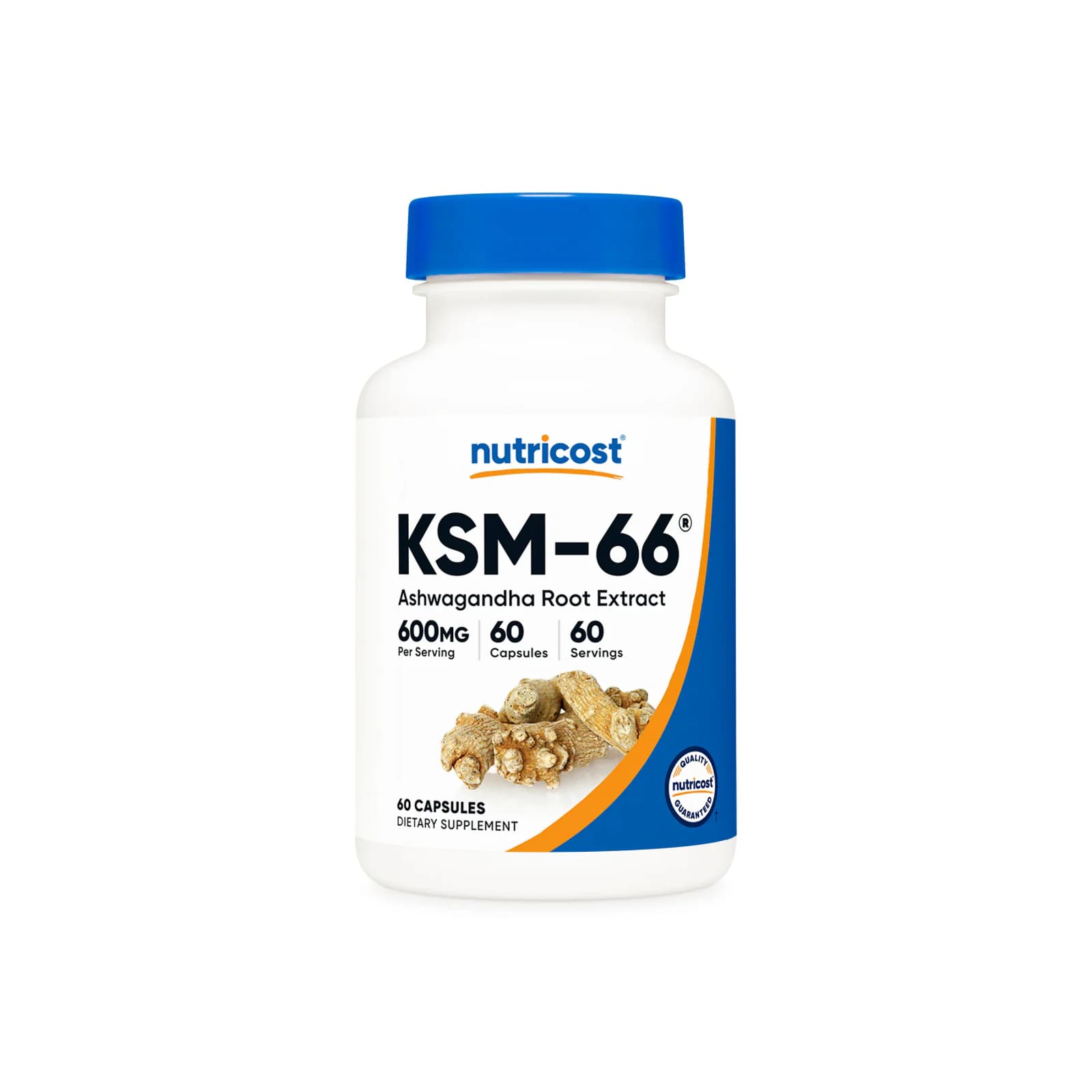
Best Overall
8.1Good
A full 600 mg daily dose of organic KSM-66 ashwagandha in one capsule for about $0.25-$0.28 a day. Strong value; not for pregnancy or thyroid conditions.
cGMP3rd-party tested
3 videos Shop$0.28/serving
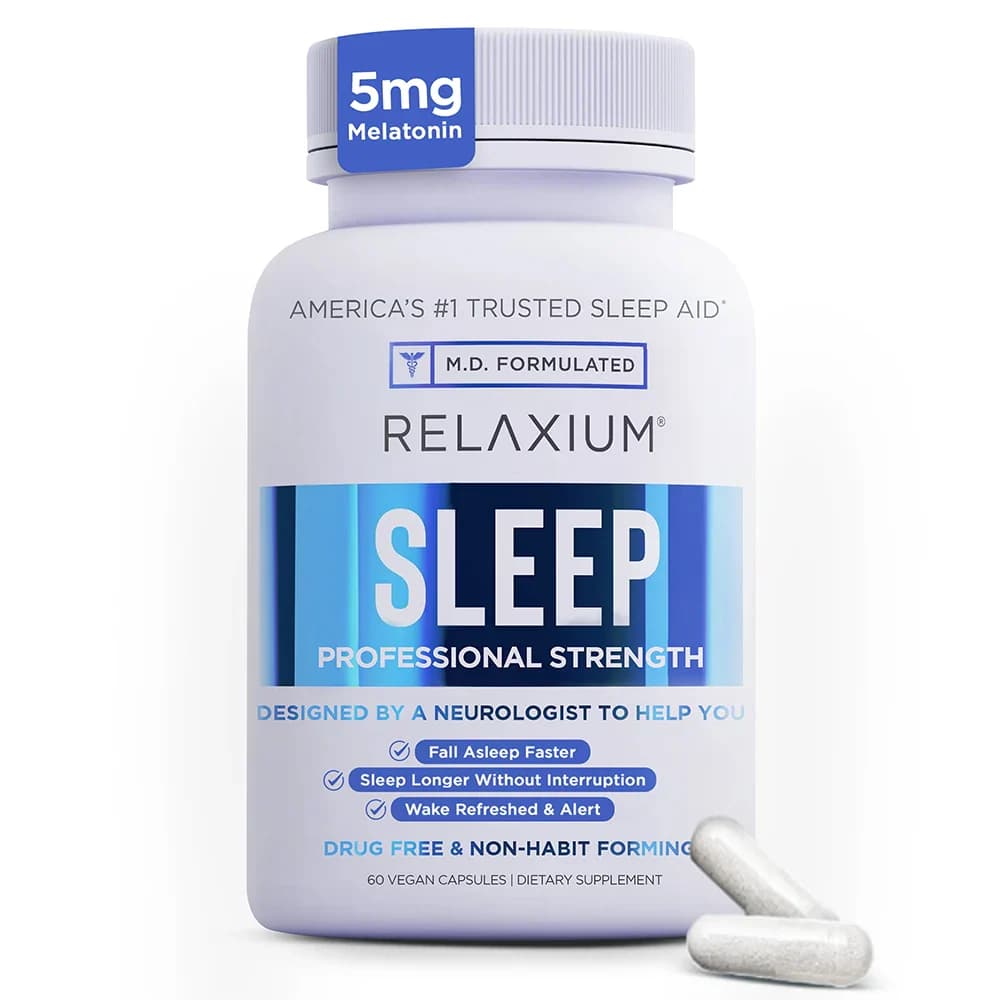
A heavily advertised sleep capsule built on 5 mg of melatonin, with mostly underdosed herbs, a proprietary blend and a history of billing complaints.
Poor
Nutrition Reviews score
Weighted across efficacy, quality, value, experience & transparency. See breakdown
We may earn a commission when you buy through these links — it never affects our scores. How we make money
Last reviewed November 2, 2026 by the Nutrition Reviews Editorial Team · How we review
Our verdict
Relaxium Sleep may help some people fall asleep, but mostly because of its 5 mg of melatonin, a dose sold on its own for about a dime a night. Most of its herbs sit below studied amounts, one blend hides its proportions, and its marketing and billing have drawn a California judgment, a settled class action and an FDA warning letter about its only published trial. If you try it, buy a single bottle rather than the trial offer, avoid alcohol and driving after a dose, and check with a clinician first if you take antidepressants, sedatives or blood thinners or are pregnant.
Best for
Skip it if
Our five-factor score out of 10. Factors are weighted by how much they matter to the outcome you’re paying for. Methodology
out of 10
Key ingredients at clinically studied doses, and how strong the evidence is.
Third-party testing and certifications, manufacturing standards, contaminant testing, recall history.
Cost per effective serving compared with category peers.
Taste, mixability, texture and tolerability from aggregated buyer and creator feedback.
Full label disclosure (no proprietary blends), available COAs, honest marketing.
Relaxium Sleep is a heavily TV-advertised capsule from the American Behavioral Research Institute (ABRI) in Boca Raton, Florida, sold as 60 capsules for 30 nights at two before bed. Each serving lists 5 mg of melatonin, 500 mg of L-tryptophan, 100 mg of magnesium (oxide, citrate and bisglycinate), 125 mg of root-and-leaf ashwagandha extract, 100 mg of GABA, 75 mg each of chamomile and passionflower, and 228.9 mg of Valerest, a proprietary valerian and hops blend whose split is not disclosed.
Melatonin likely does most of the work, and 5 mg is the top of the range most studies use; in older adults, 0.3 mg improved sleep while 3 mg kept melatonin elevated into the daytime. Most other ingredients sit below studied amounts, such as valerian's usual 300 to 600 mg and ashwagandha's 240 to 600 mg, and sleep guidelines do not recommend valerian or melatonin for chronic insomnia. The brand's own two-week trial in 37 adults reported better sleep ratings but no difference in tracker-measured sleep, and in 2025 the FDA said the company ran it without a required investigational drug application, raising concerns about the data.
The marketing has drawn scrutiny. A 2022 class action alleging that "clinically proven" claims rested on that study settled, and in 2023 ABRI agreed to an injunction and $925,000 in penalties and costs over California prosecutors' allegations about auto-renewal disclosures and advertising. Its $7.95 trial bills $119.90 after 17 days unless canceled, a common BBB complaint. A single bottle costs $44.95 plus shipping, about $1.50 a night. Expect possible grogginess or vivid dreams, avoid alcohol and driving after a dose, and skip it if pregnant.
| Key ingredient | Per serving | Why it matters |
|---|---|---|
| Melatonin The top of the 0.5-5 mg range used in most studies; 0.3 mg improved sleep in older adults, while higher doses can linger into the morning. | 5 mg | The top of the 0.5-5 mg range used in most studies; 0.3 mg improved sleep in older adults, while higher doses can linger into the morning. |
| Valerest proprietary blend (valerian root extract 5:1, hops extract 10:1) The whole blend is below the 300-600 mg of valerian usually studied, the split is undisclosed, and NCCIH calls valerian's sleep evidence inconsistent. | 228.9 mg | The whole blend is below the 300-600 mg of valerian usually studied, the split is undisclosed, and NCCIH calls valerian's sleep evidence inconsistent. |
| L-tryptophan Below the 1 g or more linked to sleepiness in older research; can raise serotonin syndrome risk with SSRIs and other serotonergic drugs. | 500 mg | Below the 1 g or more linked to sleepiness in older research; can raise serotonin syndrome risk with SSRIs and other serotonergic drugs. |
| Ashwagandha root and leaf extract About half the 240-600 mg a day used in most ashwagandha stress and sleep trials; standardized to 8% withanolide glycosides. | 125 mg | About half the 240-600 mg a day used in most ashwagandha stress and sleep trials; standardized to 8% withanolide glycosides. |
| Magnesium (oxide, citrate, bisglycinate) 24% of the Daily Value, with oxide, a less bioavailable form, listed first; evidence for magnesium as a sleep aid is weak. | 100 mg | 24% of the Daily Value, with oxide, a less bioavailable form, listed first; evidence for magnesium as a sleep aid is weak. |
| GABA Human sleep data are limited to small studies, and it is unclear how much oral GABA reaches the brain. | 100 mg | Human sleep data are limited to small studies, and it is unclear how much oral GABA reaches the brain. |
| Chamomile flower powder Plain powder at a fraction of the 270 mg extract twice daily tested in a pilot insomnia trial; NCCIH says sleep evidence is very limited. | 75 mg | Plain powder at a fraction of the 270 mg extract twice daily tested in a pilot insomnia trial; NCCIH says sleep evidence is very limited. |
| Passionflower extract 10:1 Small studies hint at longer total sleep time; NCCIH says passionflower should not be used during pregnancy. | 75 mg | Small studies hint at longer total sleep time; NCCIH says passionflower should not be used during pregnancy. |
Supplement Facts
Serving Size 2 Capsules
Servings Per Container 30
* Percent Daily Values are based on a 2,000 calorie diet. † Daily Value not established.
Other ingredients: hypromellose (veggie capsule), dicalcium phosphate, and magnesium stearate.
FORMULATED WITHOUT: GMO, gluten, nuts, yeast, sugar, dairy, eggs, tree nuts, fish, shellfish, soy, corn, wheat, barley, or artificial ingredients.
Testing & quality
Says its products are made in the USA in an FDA-inspected facility that follows current Good Manufacturing Practices; no third-party testing program, certificates of analysis or certifications found.
Goals it supports
Independent creators reviewing Sleep on YouTube and TikTok.
What we like
Watch-outs
Similar products, ranked by our score.
A full 600 mg daily dose of organic KSM-66 ashwagandha in one capsule for about $0.25-$0.28 a day. Strong value; not for pregnancy or thyroid conditions.
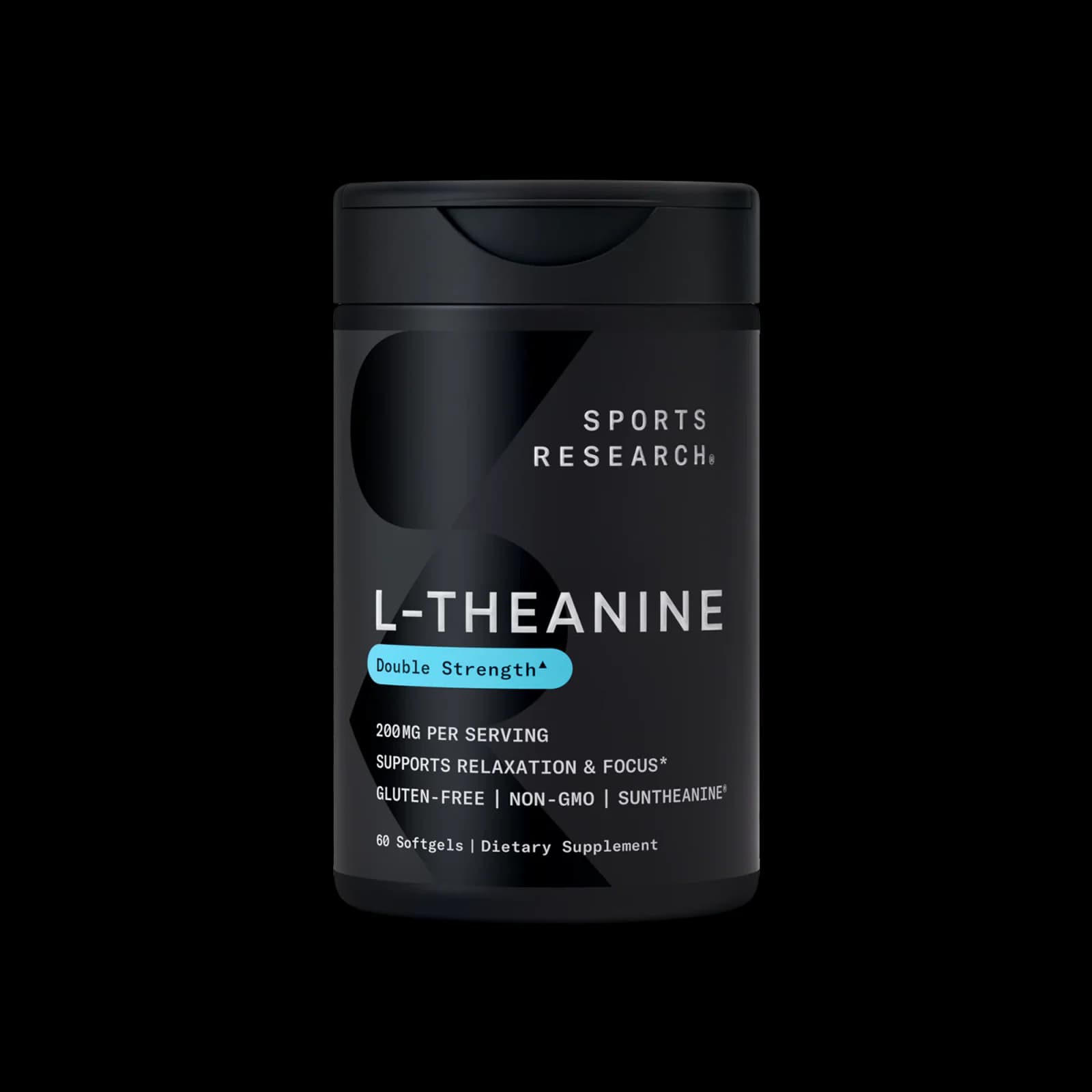
Sports Research
A simple, well-dosed 200 mg Suntheanine softgel for calm focus and wind-down, at about $0.33 a day. Contains gelatin and coconut.
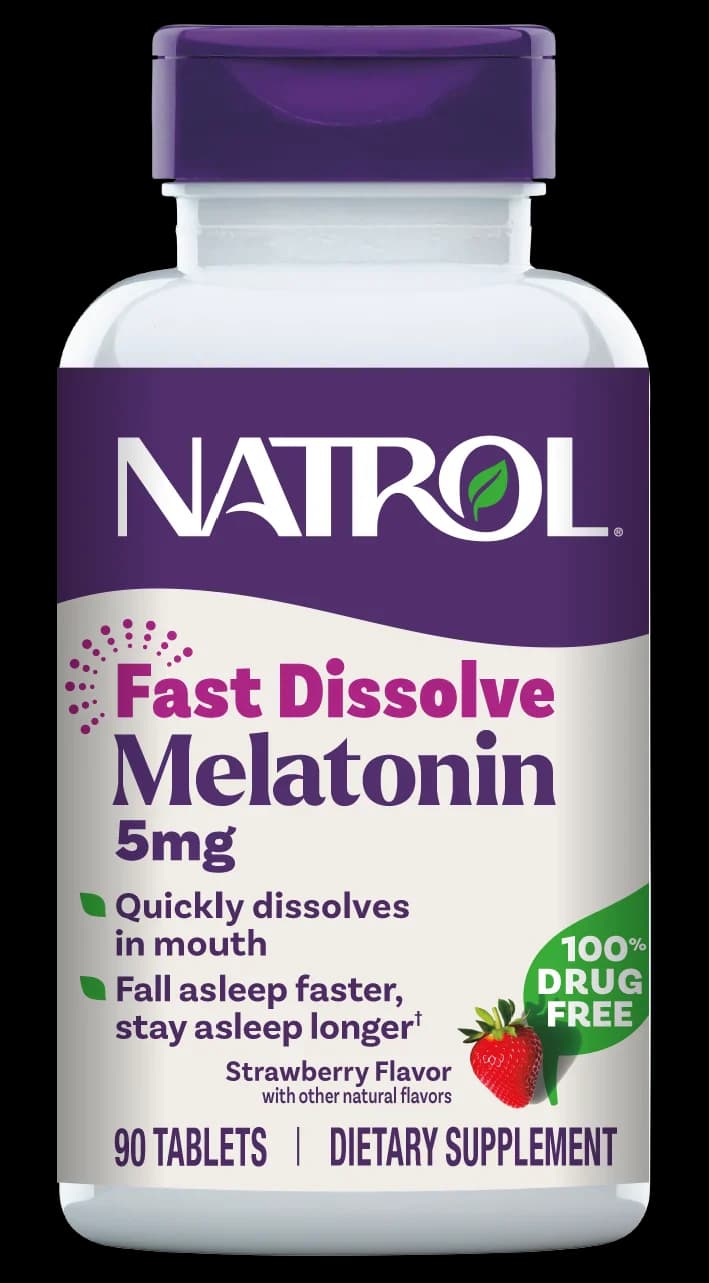
Cheap, strawberry-flavored melatonin that melts on the tongue. The best-selling 5 mg strength is more than most adults need; the 1 mg or 3 mg version is a smarter start.
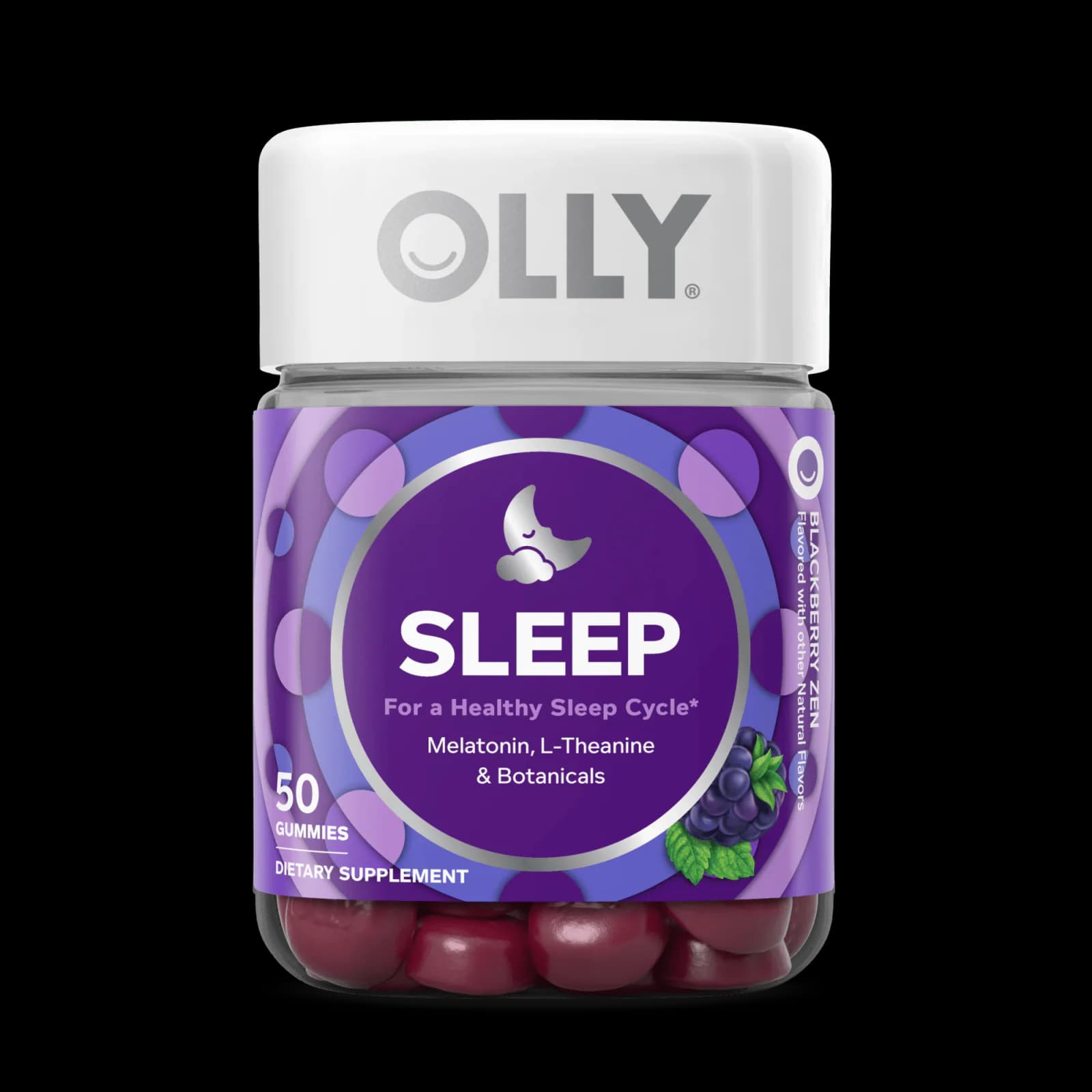
NSF-certified gummy with a sensible 3 mg melatonin dose, but its L-theanine (50 mg) and botanicals are well below the amounts used in research.
Tianeptine is an unapproved opioid-acting drug sold as a nootropic in gas stations. What the FDA has warned, the names to watch for, and what to do if you bought one.
Nutrition Reviews Editorial Team · Oct 7, 2026
Ashwagandha has real trials for stress and sleep, rare but serious liver risks and growing regulatory scrutiny. What extract names mean and which doses were studied.
Nutrition Reviews Editorial Team · Sep 28, 2026
Serving sizes, %DV vs. upper limits, ingredient forms, proprietary blends and claims: a step-by-step method for reading any Supplement Facts panel with confidence.
Nutrition Reviews Editorial Team · Sep 28, 2026