

#1 Best Overall
8.1Good
A full 600 mg daily dose of organic KSM-66 ashwagandha in one capsule for about $0.25-$0.28 a day. Strong value; not for pregnancy or thyroid conditions.
cGMP3rd-party tested
3 videos Shop$0.28/serving
Melatonin, magnesium, ashwagandha and L-theanine, weighed against the evidence
Top picks
A full 600 mg daily dose of organic KSM-66 ashwagandha in one capsule for about $0.25-$0.28 a day. Strong value; not for pregnancy or thyroid conditions.

Sports Research
A simple, well-dosed 200 mg Suntheanine softgel for calm focus and wind-down, at about $0.33 a day. Contains gelatin and coconut.

Cheap, strawberry-flavored melatonin that melts on the tongue. The best-selling 5 mg strength is more than most adults need; the 1 mg or 3 mg version is a smarter start.
The essentials
Sleep and stress supplements range from well-studied single ingredients to multi-herb blends with little human research behind them. Melatonin, a hormone the brain releases in darkness, is best supported for resetting the body clock, as with jet lag or delayed sleep-wake phase disorder. For chronic insomnia, the American Academy of Sleep Medicine and the American College of Physicians do not recommend it, and the ACP advises cognitive behavioral therapy for insomnia (CBT-I) as the first treatment.
Among calming ingredients, ashwagandha is one of the better studied: a 2021 meta-analysis of five randomized trials found a small benefit for sleep, clearest at 600 mg a day or more taken for at least eight weeks. L-theanine's trials are mostly small but encouraging, with 200-450 mg a day appearing to support sleep, while evidence for magnesium as a sleep aid is limited and rated low quality.
Product quality matters as much as the ingredient. Independent lab tests have found melatonin supplements containing far more or far less than their labels state, so third-party certification is worth seeking out. None of these products replaces medical care for persistent insomnia, anxiety or depression.
Every product
7 products
A full 600 mg daily dose of organic KSM-66 ashwagandha in one capsule for about $0.25-$0.28 a day. Strong value; not for pregnancy or thyroid conditions.
Sports Research
A simple, well-dosed 200 mg Suntheanine softgel for calm focus and wind-down, at about $0.33 a day. Contains gelatin and coconut.
Cheap, strawberry-flavored melatonin that melts on the tongue. The best-selling 5 mg strength is more than most adults need; the 1 mg or 3 mg version is a smarter start.
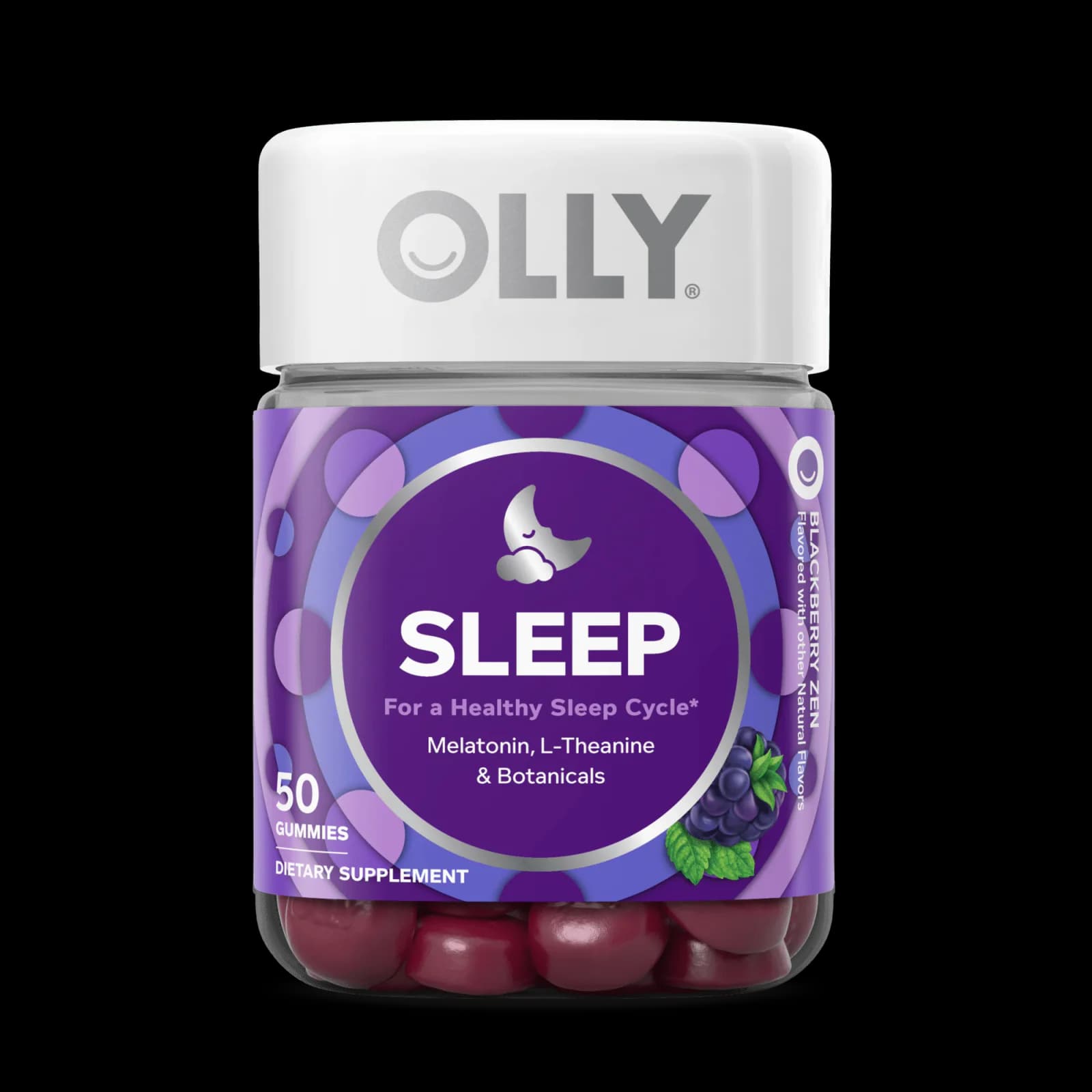
NSF-certified gummy with a sensible 3 mg melatonin dose, but its L-theanine (50 mg) and botanicals are well below the amounts used in research.

Life Extension
A best-selling Magtein supplement at the full 2 g trial dose. Sleep evidence is early and industry-funded, and at about $1 a day it costs far more than other magnesium.

TikTok's viral bedtime hot cocoa: a sensible 3 mg melatonin plus 300 mg L-theanine in a 15-calorie drink, but at roughly $1.80-$2.20 a serving you pay for the ritual.

Moon Juice
The TikTok-famous 'Sleepy Girl Mocktail' magnesium: tasty and third-party tested, but mostly laxative magnesium citrate at about $1.47 a serving.
Buying guide
The five things we look at first — and what they mean for you.
Melatonin mainly helps set the timing of sleep, and more is not better. Doses as small as 0.1-0.3 mg can raise blood levels into the normal nighttime range. In a trial of adults over 50 with insomnia, 0.3 mg restored sleep efficiency, while 3 mg also helped but lowered body temperature and kept melatonin elevated into the daytime. Many products sell 5 mg or 10 mg strengths, so try a lower dose first.
Melatonin is usually studied as a pre-bed dose. The older-adult trial gave it 30 minutes before bedtime, and in a 2018 trial of 307 people with delayed sleep-wake phase disorder, taking it an hour before a fixed bedtime helped them fall asleep about 34 minutes earlier. For jet lag, it has been studied most for eastward flights. Pairing it with a consistent bedtime helps.
Supplements are not approved by the FDA before they are sold, and melatonin labels are often inaccurate. A 2017 analysis of 31 products found melatonin ranging from 83% below to 478% above the label, and a 2023 JAMA study found 22 of 25 gummy products mislabeled. An NSF Contents Certified or USP Verified seal means an independent program checks that the label matches what is inside.
Look for a named, standardized root extract with the milligrams and withanolide content listed, not a proprietary blend. In a 2021 meta-analysis of five randomized trials, sleep benefits were clearest at 600 mg a day or more, taken for at least eight weeks, and in adults with insomnia. Expect gradual change over weeks rather than a sedative effect on the first night.
Ashwagandha may be safe for short-term use of up to three months, but rare liver injury has been reported; in one case series, jaundice appeared two to 12 weeks after starting. NCCIH advises avoiding it during pregnancy and breastfeeding, and says it is not recommended for people with thyroid or autoimmune disorders or before surgery. Anyone with epilepsy or taking blood thinners should use melatonin only under medical supervision.
Head to head
Ingredients
Video reviews
Key sources
Learn
Ashwagandha has real trials for stress and sleep, rare but serious liver risks and growing regulatory scrutiny. What extract names mean and which doses were studied.
Nutrition Reviews Editorial Team · Sep 28, 2026
Serving sizes, %DV vs. upper limits, ingredient forms, proprietary blends and claims: a step-by-step method for reading any Supplement Facts panel with confidence.
Nutrition Reviews Editorial Team · Sep 28, 2026

Glycinate, citrate or L-threonate? Compare elemental magnesium, absorption and gut effects, plus what research shows for sleep, anxiety, constipation and migraine.
Nutrition Reviews Editorial Team · Sep 28, 2026
Minimum score