On this page
- Why supplements are borrowing the GLP-1 name
- Berberine: the most-studied "GLP-1 booster"
- Akkermansia and "GLP-1 probiotics"
- Fiber: the cheapest GLP-1 nudge
- Citrus, saffron and other "GLP-1 support" extracts
- How the effects compare with prescription GLP-1 drugs
- Safety, interactions and who should skip them
- If you take a GLP-1 drug, focus on nutrition instead
- How to choose a GLP-1 supplement, and the red flags
- The bottom line
Key takeaways
- No supplement contains GLP-1 or works like semaglutide or tirzepatide; at most, some ingredients nudge your own GLP-1 release, which the body breaks down within minutes.
- Berberine has the most human data: about 0.9 kg (2 lb) of extra weight loss across 23 trials and modest drops in blood sugar, versus about 12.7 kg for semaglutide over placebo in its main obesity trial.
- Akkermansia, fiber and citrus or saffron extracts rest on small or mixed trials, and products often differ from the formulas that were studied.
- Berberine interacts with common medications, can add to diabetes drugs, and should be avoided in pregnancy, while breastfeeding and in newborns.
- If you already take a GLP-1 drug, experts put managing side effects, preventing nutrient deficiencies and protecting muscle with resistance training ahead of any “booster”.
- Treat “FDA approved”, “better than Ozempic” or “contains GLP-1” on a supplement as a red flag, not a selling point.
Search "GLP-1" on TikTok or Amazon and you'll find berberine capsules, "GLP-1 probiotics" and citrus extracts promising Ozempic-like appetite control for a fraction of the price. The marketing borrows real science, then stretches it a long way. Here is what these supplements actually do in human trials, how they compare with prescription GLP-1 drugs, and who should avoid them.
Why supplements are borrowing the GLP-1 name
GLP-1, short for glucagon-like peptide-1, is a hormone your gut releases after you eat. It prompts the pancreas to release insulin, holds back the blood-sugar-raising hormone glucagon, slows digestion and helps signal fullness [1]. It is also remarkably short-lived: the enzyme DPP-4 breaks it down so quickly that much of it is inactivated before it even leaves the gut [1].
Prescription GLP-1 drugs solve that problem by design. Semaglutide, the active ingredient in Ozempic and Wegovy, is built to resist breakdown and has an elimination half-life of about one week [2], so a weekly injection keeps the GLP-1 receptor switched on around the clock. That is why the results are so large. In the STEP 1 trial, 1,961 adults with overweight or obesity lost an average of 14.9% of their body weight on weekly semaglutide over 68 weeks, compared with 2.4% on placebo, a difference of about 12.7 kg [3]. In SURMOUNT-1, the highest dose of tirzepatide, which acts on the GLP-1 receptor and a second gut-hormone receptor, produced an average loss of 20.9% over 72 weeks, versus 3.1% with placebo [4].
The appeal of a cheaper shortcut is easy to understand. A 2025 expert advisory on GLP-1 treatment counts high costs among the main challenges of these medicines and notes that access to the drugs affects who benefits from them [5]. Supplement makers have stepped into that gap with products that borrow the GLP-1 name.
So-called GLP-1 supplements work on a different premise. They don't contain GLP-1 or anything resembling these drugs. Instead, they claim to nudge your body into releasing a little more of its own hormone. Even when that happens, the extra GLP-1 arrives in small bursts after meals and is cleared within minutes, which is a very different signal from a drug that stays in the blood for days.
Good to know: "GLP-1" on a supplement label describes a proposed mechanism, not an ingredient. FDA does not permit dietary supplements to contain pharmaceutical ingredients, and supplements may not be marketed to diagnose, treat, cure or prevent any disease [6].
Berberine: the most-studied "GLP-1 booster"
Berberine is a bitter yellow compound found in plants such as barberry and goldenseal, and it is the ingredient most often promoted as "nature's Ozempic". It has more human research behind it than anything else in this category, but most of that research concerns blood sugar rather than appetite.
Where the GLP-1 idea comes from
The GLP-1 connection comes largely from laboratory work. In a 2010 study, five weeks of berberine increased GLP-1 secretion in rats and increased the number of GLP-1-producing cells in their intestines, and berberine stimulated GLP-1 release from human intestinal cells grown in the lab [7]. That makes the mechanism plausible, but it doesn't show how much berberine raises GLP-1 in people, or whether that explains any of its effects.
Absorption is another open question. NIH's National Center for Complementary and Integrative Health notes that very little berberine may be absorbed when it is taken by mouth [8], which is one reason some products now use alternative forms. Published trials often don't describe the product they used in enough detail to compare forms [9].
What the trials show for weight
The most recent meta-analysis, published in the International Journal of Obesity in 2026, pooled 23 randomized trials in adults. Compared with control groups, berberine reduced body weight by an average of 0.88 kg (about 2 pounds) and body mass index by 0.48 points, but it did not change waist-to-hip ratio [9]. The authors also flagged weaknesses in the underlying trials, including a lack of blinding and poor reporting of the purity and potency of the berberine used [9].
For perspective, the extra weight loss with semaglutide over placebo in STEP 1 was roughly 14 times larger than berberine's average effect [3][9]. For someone who weighs 100 kg (220 lb), berberine's average effect works out to less than 1% of body weight. Berberine may help at the margins, but it is not a substitute for a GLP-1 medication.
Blood sugar is the stronger case
Berberine's better-supported effect is on blood sugar. An umbrella review of earlier meta-analyses, published in 2024, found that berberine lowered fasting blood glucose and insulin resistance and reduced HbA1c, a three-month average of blood sugar, by about 0.6 percentage points [10]. That is a modest but real change for someone with prediabetes or type 2 diabetes, and it is also the reason berberine needs care alongside diabetes medication, as explained in the safety section below.
The same review found lower fasting insulin and lower markers of inflammation, such as C-reactive protein [10]. Its results come from adults with metabolic disorders, so they may not apply to people whose blood sugar is already normal.
Cholesterol, doses and the limits of the research
Berberine also has a small effect on blood fats. A 2023 meta-analysis of 18 placebo-controlled trials in 1,788 adults found that it lowered LDL cholesterol by about 18 mg/dL and triglycerides by about 30 mg/dL, and raised HDL cholesterol slightly, by about 2 mg/dL, with a larger rise in women [11]. The authors described the reductions as small and called for large trials that measure real health outcomes, not just blood tests [11].
Those trials used 900 to 1,500 mg of berberine a day for four to 24 weeks, and 15 of the 18 were run in mainland China or Hong Kong [11]. That leaves an important gap: the long-term effects of taking berberine every day are unknown [11].
Akkermansia and "GLP-1 probiotics"
Akkermansia muciniphila is a bacterium that lives in the mucus lining of the gut. In 2021, researchers reported that it releases a protein, called P9, that triggered GLP-1 secretion and improved blood sugar control in mice fed a high-fat diet [12]. That discovery underpins a new wave of "GLP-1 probiotics", but the human evidence is still early:
- A small pilot trial. In a 2019 study, 32 adults with overweight or obesity and insulin resistance completed three months of daily Akkermansia supplements. The pasteurized, or heat-killed, form improved insulin sensitivity by about 29% compared with placebo. Weight fell by 2.27 kg more than with placebo, but that difference was not statistically significant [13].
- A larger trial that missed its goal. In a trial of 142 adults with metabolic syndrome in Ireland and Germany, published in 2026, four months of a pasteurized strain, at 30 billion cells a day, did not improve insulin sensitivity, the main outcome, compared with placebo. Exploratory analyses found a larger rise in GLP-1 after a glucose drink, and benefits in people who started with little Akkermansia in their gut, but those are leads to test rather than proof [14].
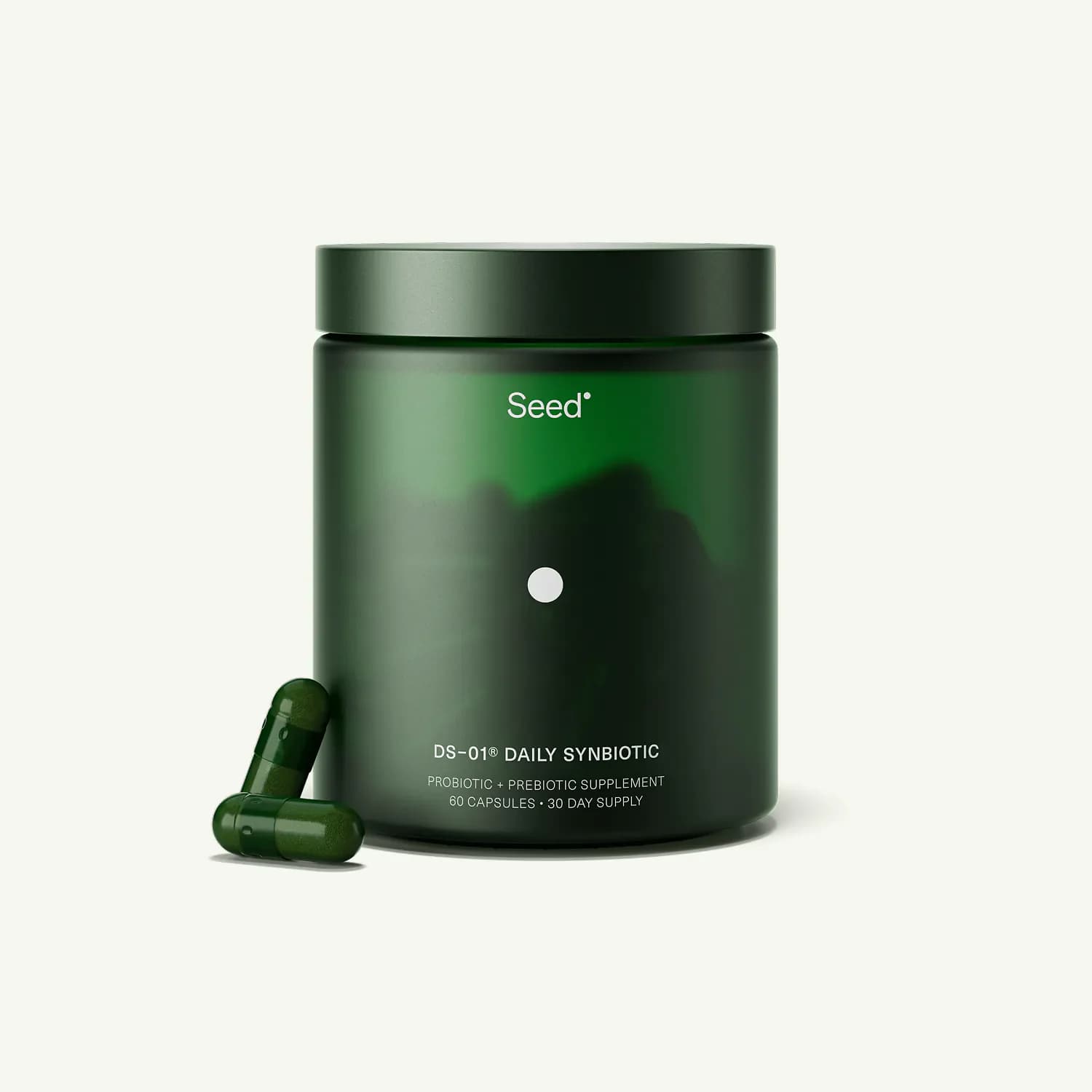
- A multi-strain formula for diabetes. A formula combining Akkermansia, four other bacterial strains and inulin improved blood sugar after meals and lowered HbA1c by 0.6 points over 12 weeks in a trial of 76 people with type 2 diabetes [15].
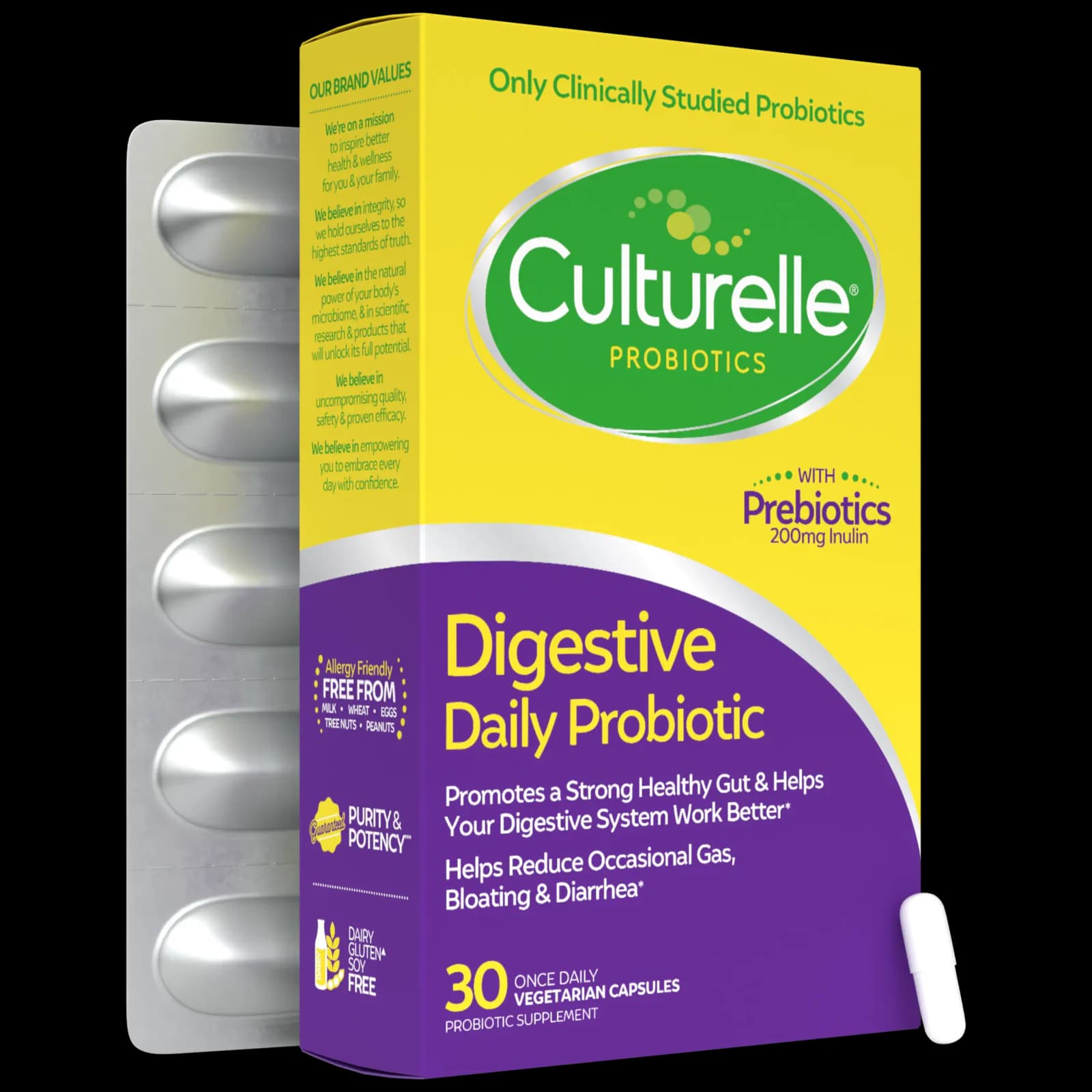
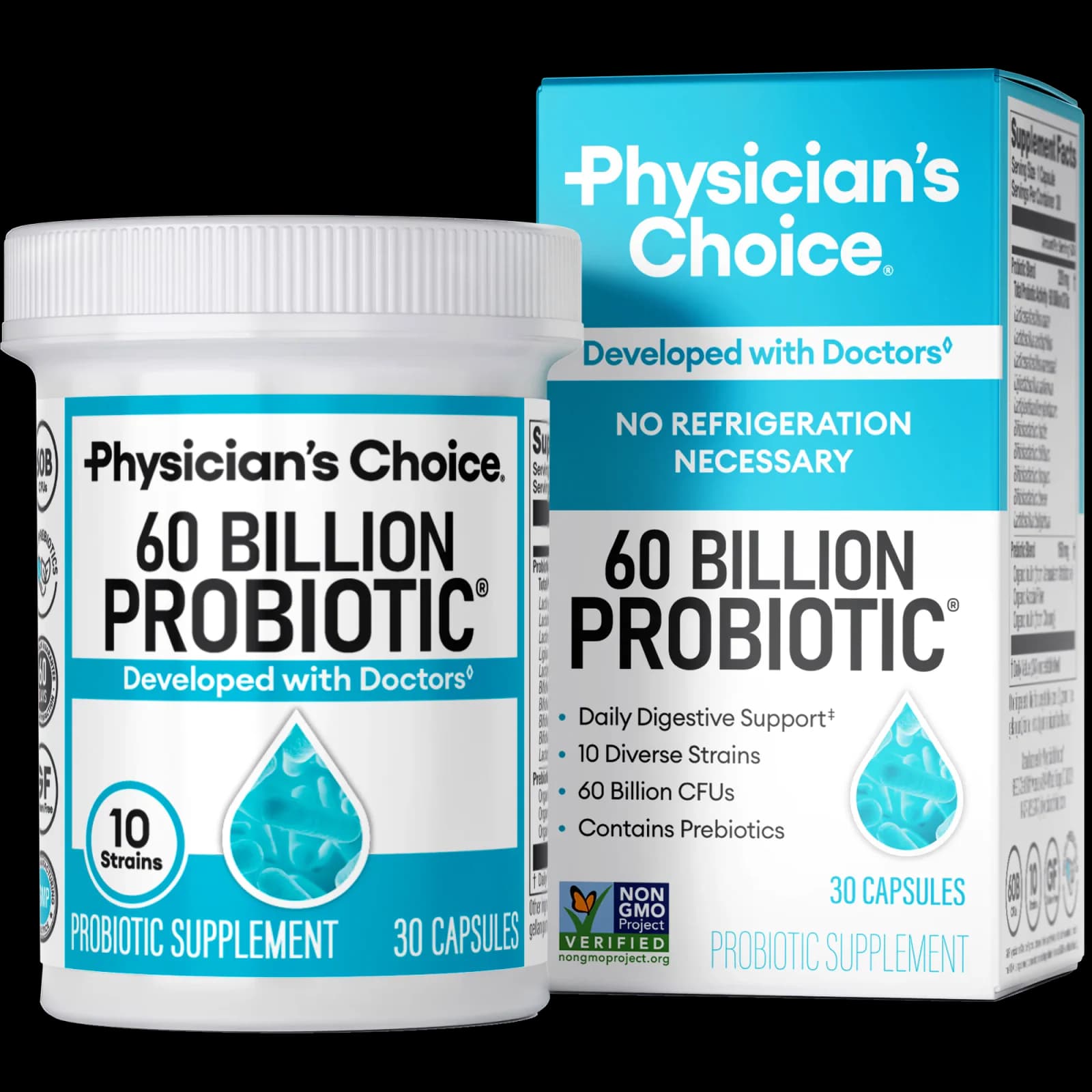
The form matters here. In the 2019 pilot, the improvements were reported for pasteurized bacteria, which are no longer alive, while many probiotics are sold as live cultures [13]. None of these trials shows meaningful weight loss, and products on the shelf don't always match what was studied: the strains, the number of bacteria and whether they are live or pasteurized all vary. Our probiotics guide explains why matching the strain to the research matters.
Fiber: the cheapest GLP-1 nudge
Fermentable fibers such as inulin and some gums feed gut bacteria that produce short-chain fatty acids. In animal studies, those fatty acids act on receptors in the colon that release GLP-1 and another fullness hormone, PYY, which is one reason fiber may help curb appetite [16]. The mechanism is real, but turning it into weight loss with a supplement has proved difficult.
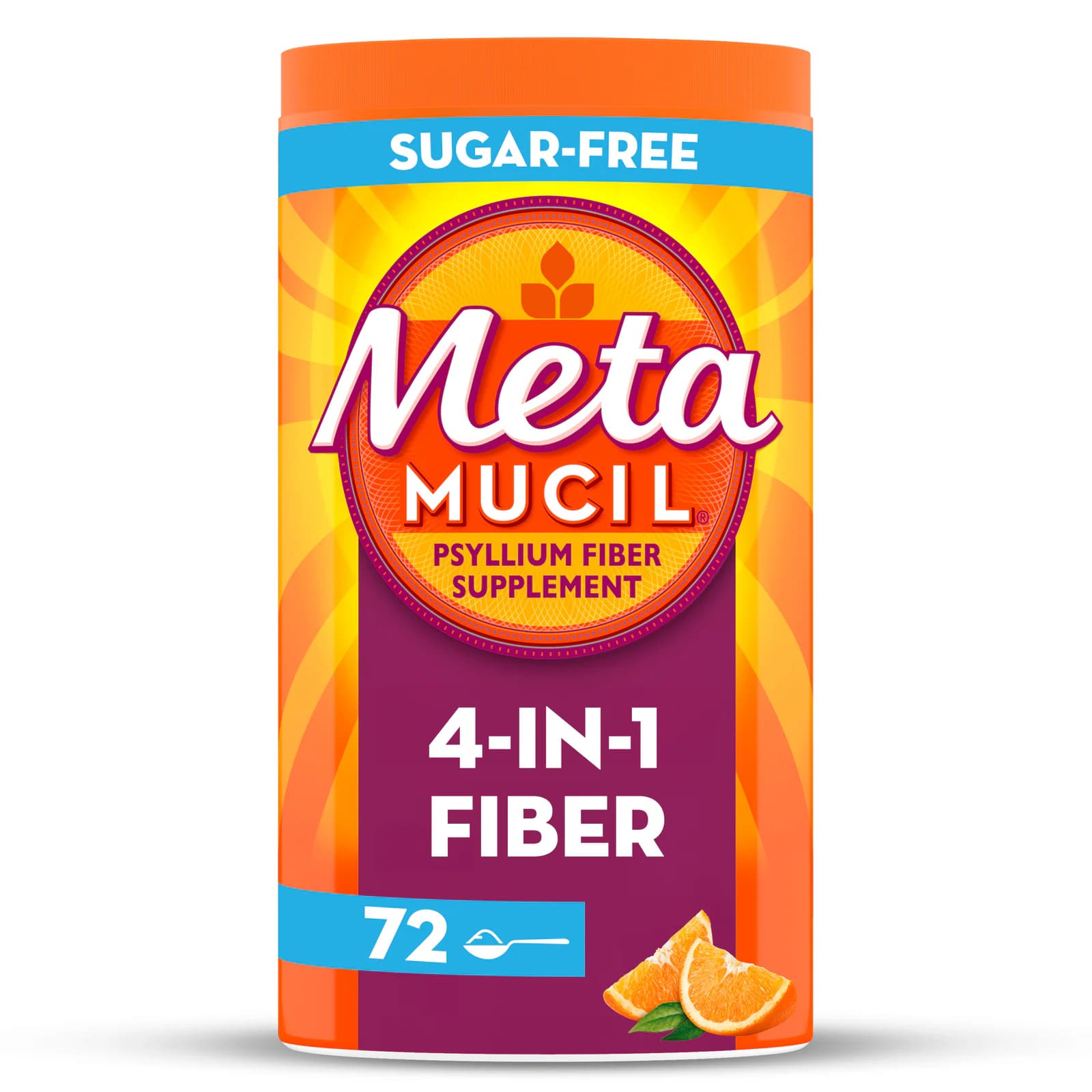
A meta-analysis of eight randomized trials found that glucomannan, a fiber from konjac root that is often sold for weight loss, produced no statistically significant weight loss compared with placebo, an average difference of about 0.2 kg [17]. A larger 2023 network meta-analysis, which compared 18 supplements across 111 trials, put glucomannan's effect at about 1.4 kg, based on low-certainty evidence. Psyllium, the fiber in many bulk laxatives, did better, at about 3.7 kg, based on moderate-certainty evidence [18].
Fiber is still worth getting, and beans, lentils, oats, vegetables and whole grains supply fermentable fiber along with other nutrients. If you use a fiber supplement, increase the dose gradually and drink plenty of water: participants in glucomannan trials reported abdominal discomfort, diarrhea and constipation [17]. Our fiber ingredient guide compares the main forms.
Citrus, saffron and other "GLP-1 support" extracts
Some capsules sold for GLP-1 support combine botanical extracts, each tested in small, short trials:
- Lemon flavonoids (eriocitrin). In a 12-week crossover trial in 30 people with elevated blood sugar, 200 mg a day lowered blood glucose by 5% and raised GLP-1 levels by 17% [19].
- Saffron extract. In an eight-week trial in 60 mildly overweight women, 176.5 mg a day of a saffron extract led to more weight loss and less snacking than placebo [20].
These are interesting early signals, but each comes from a single small study of one ingredient. A capsule that combines several extracts has usually not been tested as a whole, and nothing in this research suggests effects anywhere near those of prescription GLP-1 drugs.
How the effects compare with prescription GLP-1 drugs
The gap between the supplements and the medicines is easiest to see side by side.
| Option | Best evidence so far | Average effect | Strength of evidence |
|---|---|---|---|
| Semaglutide 2.4 mg weekly (prescription) | 68-week trial in 1,961 adults [3] | 14.9% weight loss vs. 2.4% with placebo | Strong |
| Tirzepatide 15 mg weekly (prescription) | 72-week trial in 2,539 adults [4] | 20.9% weight loss vs. 3.1% with placebo | Strong |
| Berberine | Meta-analysis of 23 trials [9] | About 0.9 kg (2 lb) more than control | Low to moderate |
| Akkermansia (pasteurized) | Trials of 32 and 142 adults [13][14] | Better insulin sensitivity in the pilot; no significant weight change | Early |
| Glucomannan and psyllium fiber | Meta-analyses [17][18] | From no effect to about 3.7 kg | Low to moderate, inconsistent |
| Lemon flavonoid and saffron extracts | Single trials of 30 and 60 people [19][20] | Small changes in blood sugar, snacking and weight | Early |
Berberine is not unusual in this respect. In the 2023 analysis of 111 trials, the supplements backed by at least moderate-certainty evidence, including spirulina, chitosan, curcumin and nigella seed, lowered weight by between about 0.8 and 2.1 kg on average, with psyllium the outlier at about 3.7 kg [18]. The authors concluded that such supplements "can result in a small weight loss" in adults with overweight or obesity [18].
Bottom line: Even the best-studied supplement here delivers a small fraction of the weight loss seen with prescription GLP-1 medications. If you are weighing medication, that is a conversation to have with a clinician rather than a decision to make in the supplement aisle.
Safety, interactions and who should skip them
Berberine needs the most care
In trials, berberine's most common side effects are digestive. In the 2023 cholesterol meta-analysis, complaints such as constipation, diarrhea and nausea tended to be more common with berberine, affecting 2% to 23% of people taking it depending on the trial, compared with 2% to 15% of those taking placebo. None of the 16 trials that reported side effects recorded a serious adverse event with berberine [11].
Drug interactions are the bigger concern. In a study of healthy men, taking 300 mg of berberine three times a day for two weeks slowed three liver enzymes that clear many common medicines, CYP2D6, CYP2C9 and CYP3A4, and raised exposure to the sedative midazolam by about 40% [21]. It also changed how the body processed dextromethorphan and the blood pressure drug losartan, which were used as test drugs [21]. If you take any prescription medicine, ask a pharmacist or doctor before adding berberine.
Because berberine lowers blood sugar [10], combining it with insulin or other diabetes medicines could add to their effect, so any combination needs medical supervision. Berberine is also not for pregnancy, breastfeeding or babies: NIH's complementary health center advises that people who are pregnant or breastfeeding should not use goldenseal, a berberine-containing herb, and warns that berberine can be harmful to newborns [8].
Fiber and probiotics
Fiber supplements can cause abdominal discomfort, diarrhea or constipation [17]. NIH's Office of Dietary Supplements adds that glucomannan and guar gum might reduce the absorption of many medicines taken by mouth, and that glucomannan could interact with diabetes medicines because it may lower blood sugar [6]. If you take regular medication, ask a pharmacist how to space it around a fiber supplement. In the trials described above, the Akkermansia and multi-strain formulas caused no safety or tolerability problems [13][15], although those studies lasted only three to four months.
If you already take a GLP-1 medication
We found no trials testing these supplements alongside semaglutide or tirzepatide, so there is no evidence that combining them improves results. The most common side effects listed on Ozempic's label are nausea, vomiting, diarrhea, abdominal pain and constipation [2], and both berberine and fiber supplements can cause similar digestive symptoms [17][11]. The label also notes that semaglutide slows stomach emptying, which may affect how well other medicines taken by mouth are absorbed [2]. Add berberine's blood-sugar effects and drug interactions, and the safest approach is to clear any supplement with your prescriber first.
Safety note: Weight-loss products sold as supplements are sometimes tainted with hidden prescription drugs or other unlisted active ingredients, according to NIH's Office of Dietary Supplements, and FDA keeps a public list of tainted weight-loss products [6].
If you take a GLP-1 drug, focus on nutrition instead
For people already on a GLP-1 medication, the nutrition questions that matter most have little to do with "boosters". The 2025 advisory mentioned earlier, written jointly by the American College of Lifestyle Medicine, the American Society for Nutrition, the Obesity Medicine Association and The Obesity Society, notes that these drugs reduced body weight by 5% to 18% in trials, with somewhat smaller effects in everyday use [5]. It lists the main challenges as side effects, especially digestive ones; nutrient deficiencies as people eat fewer calories; loss of muscle and bone; and weight regain when people don't stay on treatment [5].
The advisory's priorities during treatment are practical [5]:
- Manage digestive side effects with both nutrition and medical care.
- Adapt to a smaller appetite and changing food preferences.
- Prevent nutrient deficiencies that can follow a large drop in how much you eat.
- Protect muscle and bone with resistance training and an appropriate diet.
- Get support, for example from a registered dietitian, group visits, telehealth or digital programs.
Notably, the same experts list "dietary modulation of endogenous GLP-1", that is, raising your own GLP-1 through food, as an emerging area that needs more study [5]. In other words, even the food-based version of the "GLP-1 booster" idea is still a research question, not an established treatment.
How to choose a GLP-1 supplement, and the red flags
If you decide to try one of these ingredients, a few checks separate a reasonable product from a risky one:
- Read the Supplement Facts panel. Look for the exact amount of each active ingredient per serving, such as milligrams of berberine HCl, rather than a proprietary blend that hides the doses. Our guide to reading a Supplement Facts label walks through it.
- Look for independent testing. Researchers have noted that published berberine trials often failed to report the purity and potency of the product used [9], so certification from NSF, USP or a similar program adds real assurance. Here is what each third-party testing seal means.
- Be wary of drug comparisons. Claims that a product is "FDA approved", "better than Ozempic" or "contains GLP-1" are red flags. In December 2024, FDA sent a warning letter to a seller whose oral drops were promoted with "The Science of GLP-1", labeled "FDA APPROVED" and advertised with claims of losing up to 52 pounds, and classified the products as unapproved new drugs [22].
- Match the product to the research. For probiotics, check that the strains and amounts match a published trial. For botanical extracts, look for the same ingredient and dose that was studied.
Pro tip: Compare the cost per day before you buy. Some "GLP-1" blends cost several dollars a day for ingredients sold far more cheaply on their own. See how the options compare in our ranking of weight-management supplements.
The bottom line
GLP-1 supplements borrow the name of a genuinely powerful class of medicines, but they don't work the same way and don't come close in results. Berberine has the most evidence, mainly for modest improvements in blood sugar, with an average weight change of about 2 pounds [9][10]. Akkermansia, fiber and botanical extracts rest on small or mixed trials.
That doesn't make them useless. Berberine may be worth discussing with a clinician if you have prediabetes, and fiber supports digestive health whether it comes from food or a supplement. But if your goal is substantial weight loss, the strongest evidence supports sustained changes to diet and activity and, for people who qualify, prescription medication prescribed and monitored by a clinician [3][4].
This article is for general information and isn’t medical advice. Supplements can interact with medications and conditions — talk to a qualified healthcare professional before starting one. Medical disclaimer.
Frequently asked questions
Is berberine really “nature’s Ozempic”?
Can I take berberine with Ozempic, Wegovy or metformin?
Do “GLP-1 probiotics” with Akkermansia work?
Are GLP-1 supplements safe?
References
- [1]The physiology of glucagon-like peptide 1Physiological Reviews (2007)
- [2]OZEMPIC (semaglutide) injection, for subcutaneous use: Highlights of Prescribing InformationU.S. Food and Drug Administration (2025)
- [3]Once-Weekly Semaglutide in Adults with Overweight or ObesityNew England Journal of Medicine (2021)
- [4]Tirzepatide Once Weekly for the Treatment of ObesityNew England Journal of Medicine (2022)
- [5]Nutritional priorities to support GLP-1 therapy for obesity: a joint Advisory from the American College of Lifestyle Medicine, the American Society for Nutrition, the Obesity Medicine Association, and The Obesity SocietyAmerican Journal of Clinical Nutrition (2025)
- [6]Dietary Supplements for Weight Loss: Fact Sheet for Health ProfessionalsNIH Office of Dietary Supplements (updated 2022)
- [7]Modulation of glucagon-like peptide-1 release by berberine: in vivo and in vitro studiesBiochemical Pharmacology (2010)
- [8]GoldensealNIH National Center for Complementary and Integrative Health (updated 2025)
- [9]The effect of berberine on obesity indices: a systematic review and meta-analysisInternational Journal of Obesity (2026)
- [10]The Effect of Berberine Supplementation on Glycemic Control and Inflammatory Biomarkers in Metabolic Disorders: An Umbrella Meta-analysis of Randomized Controlled TrialsClinical Therapeutics (2024)
- [11]Overall and Sex-Specific Effect of Berberine for the Treatment of Dyslipidemia in Adults: A Systematic Review and Meta-Analysis of Randomized Placebo-Controlled TrialsDrugs (2023)
- [12]Akkermansia muciniphila secretes a glucagon-like peptide-1-inducing protein that improves glucose homeostasis and ameliorates metabolic disease in miceNature Microbiology (2021)
- [13]Supplementation with Akkermansia muciniphila in overweight and obese human volunteers: a proof-of-concept exploratory studyNature Medicine (2019)
- [14]Effect of pasteurized Akkermansia muciniphila MucT on insulin sensitivity, body composition, and GLP-1 production in subjects with metabolic syndrome: impact of low baseline gut Akkermansia levelsGut Microbes (2026)
- [15]Improvements to postprandial glucose control in subjects with type 2 diabetes: a multicenter, double blind, randomized placebo-controlled trial of a novel probiotic formulationBMJ Open Diabetes Research & Care (2020)
- [16]Control of appetite and energy intake by SCFA: what are the potential underlying mechanisms?Proceedings of the Nutrition Society (2015)
- [17]The efficacy of glucomannan supplementation in overweight and obesity: a systematic review and meta-analysis of randomized clinical trialsJournal of the American College of Nutrition (2014)
- [18]Comparative effects of nutraceuticals on body weight in adults with overweight or obesity: A systematic review and network meta-analysis of 111 randomized clinical trialsPharmacological Research (2023)
- [19]Nutraceutical Eriocitrin (Eriomin) Reduces Hyperglycemia by Increasing Glucagon-Like Peptide 1 and Downregulates Systemic Inflammation: A Crossover-Randomized Clinical TrialJournal of Medicinal Food (2022)
- [20]Satiereal, a Crocus sativus L extract, reduces snacking and increases satiety in a randomized placebo-controlled study of mildly overweight, healthy womenNutrition Research (2010)
- [21]Repeated administration of berberine inhibits cytochromes P450 in humansEuropean Journal of Clinical Pharmacology (2012)
- [22]Warning Letter: Veronvy (MARCS-CMS 694688)U.S. Food and Drug Administration (2024)