

#1 Best Overall
7.9Good
Informed Choice-certified fizzy tablets with 300 mg sodium and 1 g sugar per 16 oz: clean, affordable everyday and workout hydration, but light for salty sweaters.
Informed ChoiceGF Certified+3
5 videos$0.75/serving
Electrolyte mixes decoded: who needs extra sodium, and who just needs water
Top picks
Informed Choice-certified fizzy tablets with 300 mg sodium and 1 g sugar per 16 oz: clean, affordable everyday and workout hydration, but light for salty sweaters.
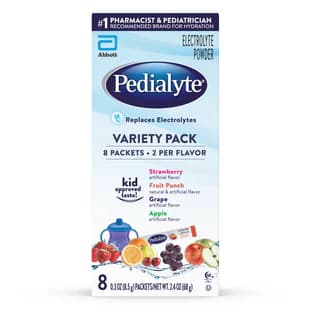
Pedialyte
The pharmacy-standard rehydration mix: 260 mg sodium, 180 mg potassium and 6 g sugar per 8 oz packet. Dependable when sick, but pricey per ounce.

Coconut-water-based mix with 240 mg sodium, 310 mg potassium and no added sugar, plus published batch test results. Clean and tasty, but pricey per serving.
The essentials
Electrolyte drink mixes promise better hydration, and in the right situations they deliver. When you lose fluid through heavy sweating, vomiting or diarrhea, you also lose sodium and other electrolytes, and a drink that replaces both can help more than water alone. Oral rehydration solutions (ORS) are the medical version: glucose helps the small intestine absorb sodium, and water with it, so the World Health Organization's reduced-osmolarity formula pairs 75 mmol/L of sodium with 13.5 g/L of glucose.
Needs vary widely. Among athletes, sweat rates typically run from about 0.5 to 2 liters an hour and whole-body sweat sodium from roughly 10 to 70 mmol per liter, so two people doing the same workout can lose very different amounts of salt. That is why the American College of Sports Medicine recommends individualized fluid plans.
On ordinary days, most people do not need added electrolytes. Americans already average about 3,400 mg of sodium a day, well above the 2,300 mg limit in the Dietary Guidelines, so for desk days and short workouts, water and regular meals are usually enough.
Every product
7 products
Informed Choice-certified fizzy tablets with 300 mg sodium and 1 g sugar per 16 oz: clean, affordable everyday and workout hydration, but light for salty sweaters.
Pedialyte
The pharmacy-standard rehydration mix: 260 mg sodium, 180 mg potassium and 6 g sugar per 8 oz packet. Dependable when sick, but pricey per ounce.
Coconut-water-based mix with 240 mg sodium, 310 mg potassium and no added sugar, plus published batch test results. Clean and tasty, but pricey per serving.

A doctor-developed, ORS-style mix with 330 mg sodium per 8 oz, one of the stronger drinks in its class, backed by a small randomized trial. Pricier than it looks.
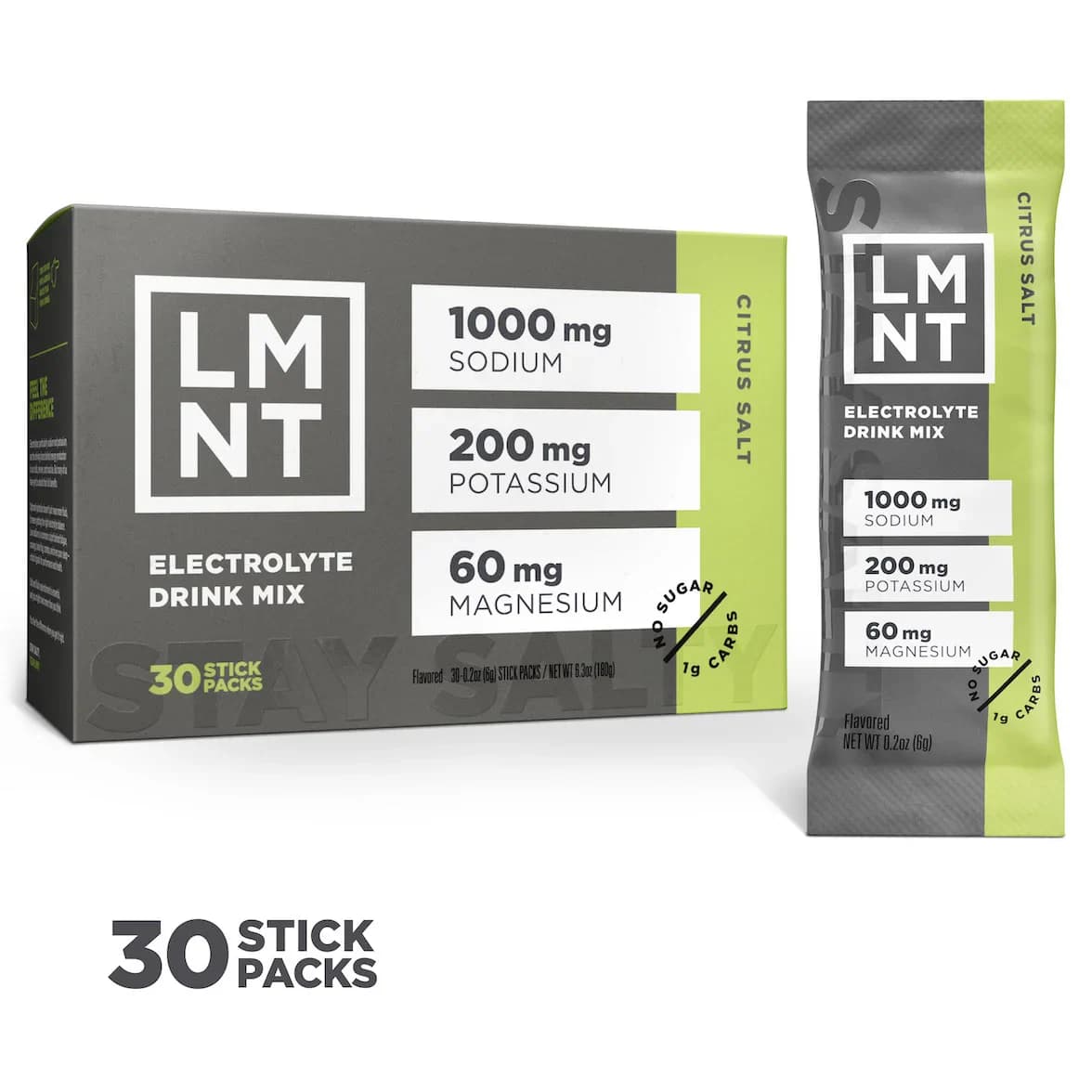
1,000 mg sodium, 200 mg potassium and 60 mg magnesium with zero sugar. Excellent for heavy sweaters and low-carb eaters, but far more salt than most desk workers need.

Zero-sugar, stevia-sweetened mix with potassium and magnesium but only 55 mg sodium. Great for flavoring daily water, far too light for heavy sweating or illness.
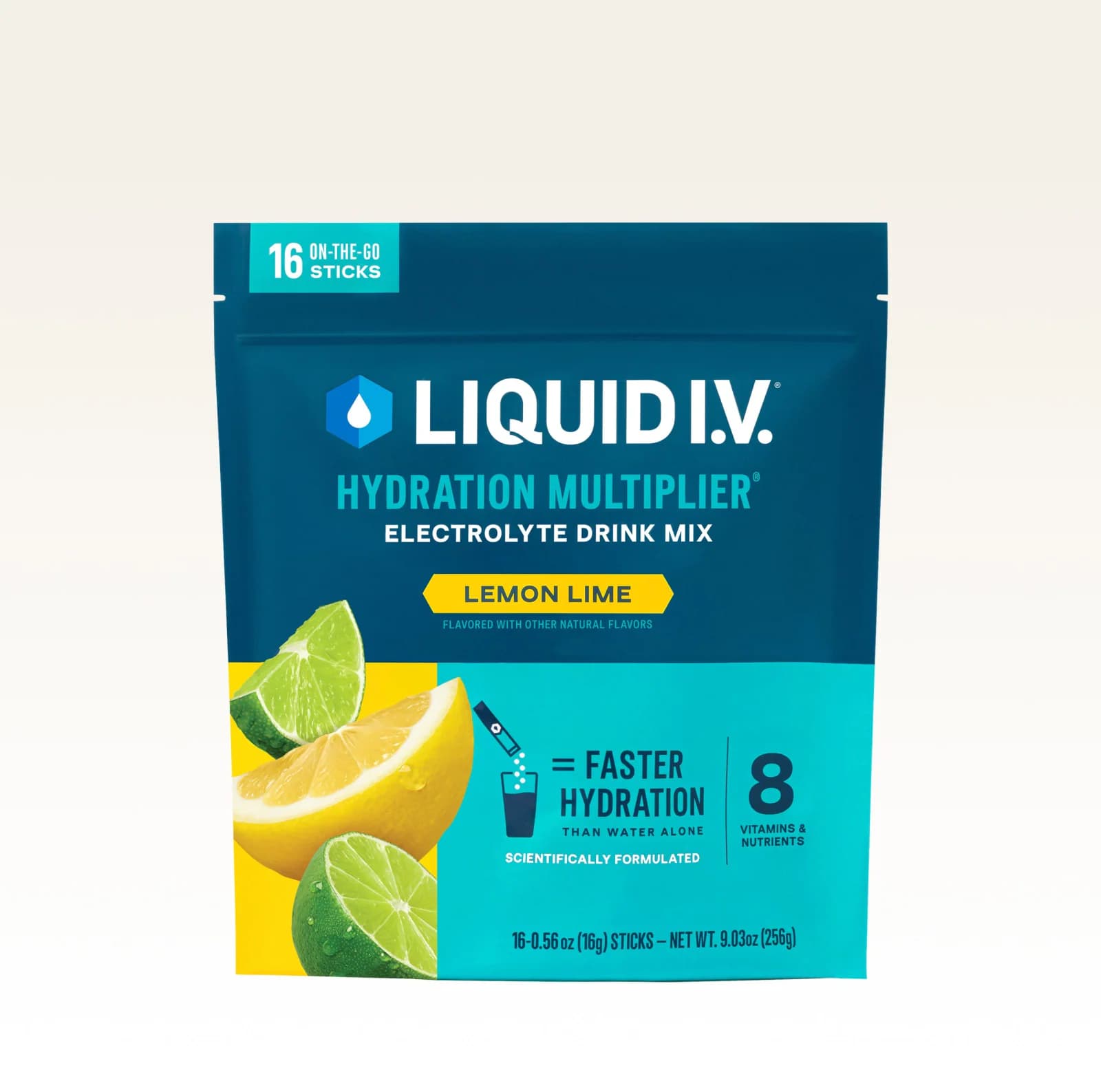
Liquid I.V.
America's best-known electrolyte stick: 560 mg sodium, 370 mg potassium and 11 g sugar per packet. Handy for sweaty days, but pricey and sugary for everyday sipping.
Buying guide
The five things we look at first — and what they mean for you.
Sodium is the main electrolyte lost in sweat, and mixes range from under 100 mg to 1,000 mg per serving. Whole-body sweat typically carries about 230 to 1,600 mg of sodium per liter, and athletes commonly lose 0.5 to 2 liters an hour, so long, hot sessions can cost several grams. Heavy or salty sweaters need the high end; most casual exercisers do not.
For vomiting, diarrhea or heavy fluid losses in the heat, choose a product formulated as an oral rehydration solution rather than a lifestyle mix, and mix it exactly as directed. WHO's formula pairs 75 mmol/L of sodium with 13.5 g/L of glucose; pharmacy brands follow the same principle at different strengths. Seek medical care for infants, symptoms lasting beyond a day, or signs of severe dehydration such as confusion or fainting.
A little glucose aids absorption and helps fuel long workouts, but some lifestyle sticks add 10 g or more of sugar per serving, while zero-sugar mixes use stevia, monk fruit or sucralose instead. For daily sipping at a desk, a low- or zero-sugar mix, or plain water, usually makes more sense; during long endurance sessions, a drink with carbohydrate can help.
Check how much water each serving is meant for: some sticks make 8 oz and others 16 to 32 oz, so a mix that looks cheap can cost twice as much per bottle. Among the mixes we reviewed, the cost to fill a 16 oz bottle ran from about $0.53 to about $2.25. Tubs and tablets tend to be cheapest, while single-serve sticks charge for convenience.
Named programs such as NSF Certified for Sport or Informed Choice matter most for drug-tested athletes, and a published certificate of analysis adds confidence. If you have high blood pressure, heart or kidney disease, or have been told to limit sodium or potassium, ask a clinician before using electrolyte mixes regularly, especially high-sodium ones.
Head to head
Ingredients
Video reviews
Key sources
Learn
Most people don't need electrolyte powders, but some do. Learn how much sodium you lose in sweat, how oral rehydration works, and when a high-sodium mix makes sense.
Nutrition Reviews Editorial Team · Sep 28, 2026

Ashwagandha has real trials for stress and sleep, rare but serious liver risks and growing regulatory scrutiny. What extract names mean and which doses were studied.
Nutrition Reviews Editorial Team · Sep 28, 2026

Collagen has dozens of trials behind it, but much of the research is industry-funded. What holds up for skin, joints and hair, plus the doses studies used.
Nutrition Reviews Editorial Team · Sep 28, 2026
Minimum score