
7.5Good
A doctor-developed, ORS-style mix with 330 mg sodium per 8 oz, one of the stronger drinks in its class, backed by a small randomized trial. Pricier than it looks.
Kosher
4 videos$1.12/serving
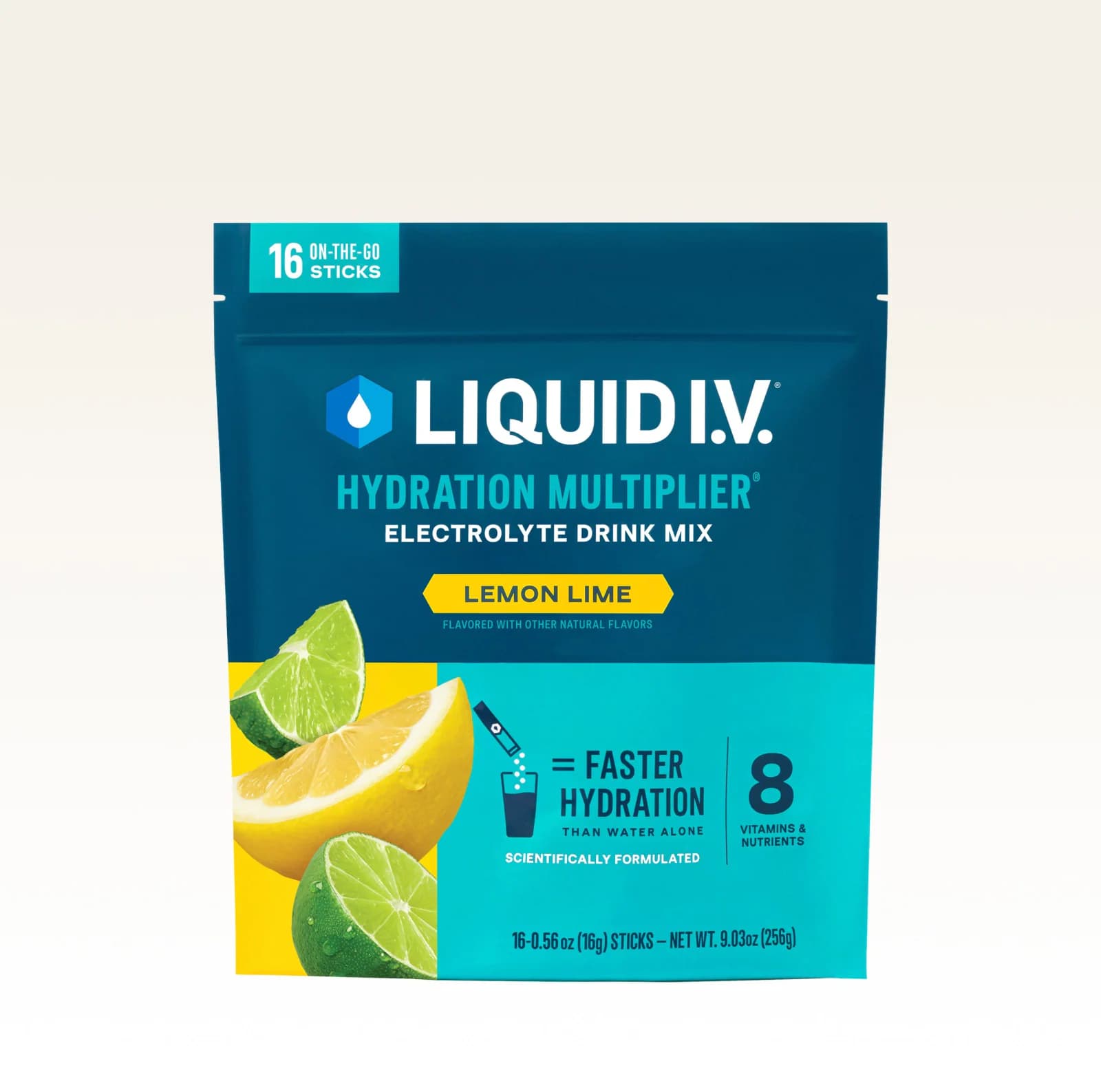
America's best-known electrolyte stick: 560 mg sodium, 370 mg potassium and 11 g sugar per packet. Handy for sweaty days, but pricey and sugary for everyday sipping.
Mixed
Nutrition Reviews score
Weighted across efficacy, quality, value, experience & transparency. See breakdown
We may earn a commission when you buy through these links — it never affects our scores. How we make money
Last reviewed September 29, 2026 by the Nutrition Reviews Editorial Team · How we review
Our verdict
Liquid I.V. is a convenient, good-tasting (to most) way to get a moderate dose of sodium and potassium when you are genuinely sweating, and it earns its popularity on convenience. For daily desk hydration, though, the 11 g of sugar, the $1.50-plus price per stick and the lack of third-party testing make it hard to recommend over water or a cheaper, better-certified mix.
Best for
Skip it if
Our five-factor score out of 10. Factors are weighted by how much they matter to the outcome you’re paying for. Methodology
out of 10
Key ingredients at clinically studied doses, and how strong the evidence is.
Third-party testing and certifications, manufacturing standards, contaminant testing, recall history.
Cost per effective serving compared with category peers.
Taste, mixability, texture and tolerability from aggregated buyer and creator feedback.
Full label disclosure (no proprietary blends), available COAs, honest marketing.
Liquid I.V. Hydration Multiplier is the stick pack that turned electrolyte powders into a mainstream habit, and its main Amazon listing has more than 100,000 ratings. Each 16 g stick, mixed into 16 oz of water, provides 560 mg sodium, 370 mg potassium and 11 g of added sugar from cane sugar and dextrose, plus vitamin C and four B vitamins, for 50 calories.
The formula borrows its logic from oral rehydration solutions, in which sodium and glucose together speed water absorption in the gut. It is not a medical ORS, though. The reduced-osmolarity ORS formula tested in a large pediatric trial works out to roughly 816 mg sodium, 370 mg potassium and 6.4 g glucose per 16 oz, so Liquid I.V. has less sodium and about 70% more sugar. That makes it reasonable for sweaty workouts, hot days, travel or recovering after a night out, but it is not a substitute for a medical ORS when illness causes dehydration.
Context matters for everyday drinkers. The FDA notes that Americans already average about 3,400 mg of sodium a day against a recommended limit of 2,300 mg, and one stick adds 24% of the sodium Daily Value and 22% of the added-sugar Daily Value. People who sweat heavily benefit most; people watching blood pressure or sugar intake should use it sparingly or choose the sugar-free line.
Buyers consistently praise how well it mixes and credit it with fighting fatigue, cramps and hangovers, but taste is polarizing: many find it too salty, and value and sugar content are recurring complaints. Liquid I.V., owned by Unilever since 2020, does not advertise third-party testing or a sport certification.
| Key ingredient | Per serving | Why it matters |
|---|---|---|
| Sodium Main electrolyte lost in sweat; 24% of the Daily Value. | 560 mg | Main electrolyte lost in sweat; 24% of the Daily Value. |
| Potassium Similar to the potassium in 16 oz of reduced-osmolarity ORS. | 370 mg | Similar to the potassium in 16 oz of reduced-osmolarity ORS. |
| Added sugar (cane sugar, dextrose) Glucose aids sodium-water absorption, but this is about 70% more than ORS provides per 16 oz. | 11 g | Glucose aids sodium-water absorption, but this is about 70% more than ORS provides per 16 oz. |
| Vitamin C and B vitamins (B3, B5, B6, B12) Added nutrients; not needed for hydration itself. | 62 mg vitamin C | Added nutrients; not needed for hydration itself. |
Nutrition Facts
Serving Size 16 g
Servings Per Container 10
* Percent Daily Values are based on a 2,000 calorie diet. † Daily Value not established.
Other ingredients: CANE SUGAR, DEXTROSE, CITRIC ACID, SALT, POTASSIUM CITRATE, SODIUM CITRATE, DIPOTASSIUM PHOSPHATE, SILICON DIOXIDE, STEVIA LEAF EXTRACT (REBAUDIOSIDE A), VITAMIN C (ASCORBIC ACID), NATURAL FLAVORS, VITAMIN B3 (NIACINAMIDE), VITAMIN B5 (CALCIUM D-PANTOTHENATE), VITAMIN B6 (PYRIDOXINE HYDROCHLORIDE), VITAMIN B12 (CYANOCOBALAMIN).
Flavors & variants
Testing & quality
Promotes gluten-free and non-GMO status and in-house clinical research on its formulas; does not advertise third-party contaminant testing or a sport certification such as NSF or Informed Sport.
Independent creators reviewing Hydration Multiplier on TikTok and YouTube.
What we like
Watch-outs
Similar products, ranked by our score.
A doctor-developed, ORS-style mix with 330 mg sodium per 8 oz, one of the stronger drinks in its class, backed by a small randomized trial. Pricier than it looks.
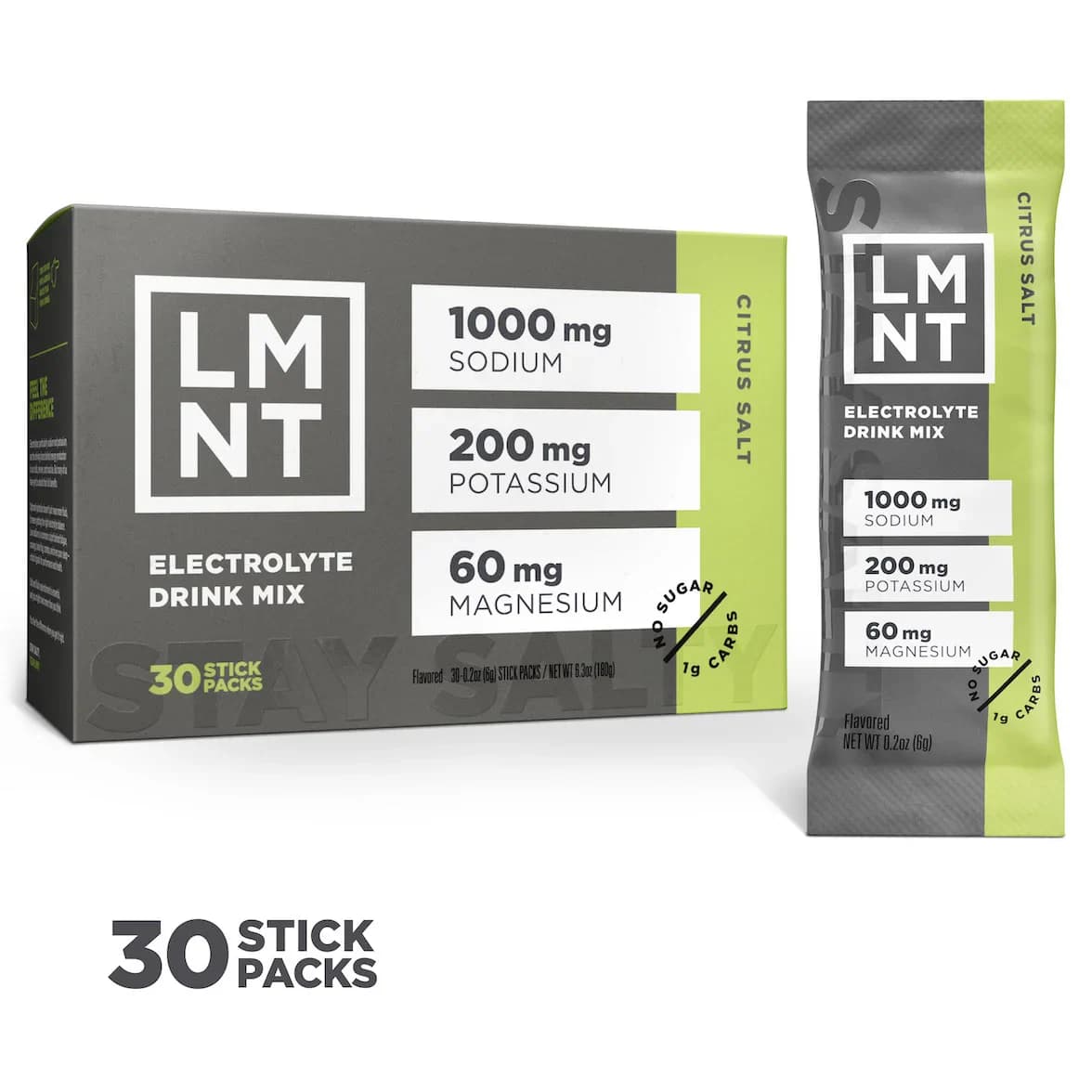
1,000 mg sodium, 200 mg potassium and 60 mg magnesium with zero sugar. Excellent for heavy sweaters and low-carb eaters, but far more salt than most desk workers need.

Informed Choice-certified fizzy tablets with 300 mg sodium and 1 g sugar per 16 oz: clean, affordable everyday and workout hydration, but light for salty sweaters.
Pedialyte
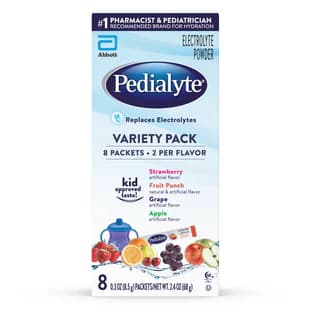
The pharmacy-standard rehydration mix: 260 mg sodium, 180 mg potassium and 6 g sugar per 8 oz packet. Dependable when sick, but pricey per ounce.
Most people don't need electrolyte powders, but some do. Learn how much sodium you lose in sweat, how oral rehydration works, and when a high-sodium mix makes sense.
Nutrition Reviews Editorial Team · Sep 28, 2026

Ashwagandha has real trials for stress and sleep, rare but serious liver risks and growing regulatory scrutiny. What extract names mean and which doses were studied.
Nutrition Reviews Editorial Team · Sep 28, 2026

Collagen has dozens of trials behind it, but much of the research is industry-funded. What holds up for skin, joints and hair, plus the doses studies used.
Nutrition Reviews Editorial Team · Sep 28, 2026