On this page
- The short answer on protein shake vs protein powder cost
- Why bottled shakes cost what they cost in 2026
- Cost per 30 g of protein: bottles vs sachets vs bulk tubs
- What's in an RTD besides protein
- Protein quality after UHT processing: does it matter?
- Where RTDs genuinely earn the premium
- How to build a cheaper shake that travels
- How to choose a good RTD or powder
- Safety and who should check first
- The bottom line
Key takeaways
- Compare formats using cost per 30 g of protein: pack price divided by (servings x grams of protein per serving), times 30.
- Bulk tubs are typically the cheapest per gram, sachets sit in the middle and bottled shakes cost the most, but the 2026 whey price spike narrowed the gap because tub prices are more exposed to ingredient costs.
- Divide calories by grams of protein on any bottle: under about 5.5 is a protein drink, over about 8 is a meal replacement wearing a protein label.
- UHT and retort processing change digestion speed, colour and flavour chemistry and may cost a little lysine, but there is no good evidence that a bottled shake delivers meaningfully less usable protein.
- Store bottles cool and use them within shelf life, since protein glycation continues slowly at room temperature.
- Pre-portioning powder into sachets or a compartment shaker recreates most of the convenience of a bottle at close to bulk-tub cost.
A bottled protein shake and a scoop of powder can deliver the same 30 grams of protein, but they rarely cost the same — and in 2026 the gap between them is narrower and stranger than it used to be. This guide shows you how to calculate the real cost per 30 g of protein for bottles, sachets and bulk tubs, what else you are drinking when you buy a ready-to-drink (RTD) shake, whether the heat used to make shelf-stable bottles damages the protein, and the handful of situations where paying the convenience premium is genuinely the right call.
The short answer on protein shake vs protein powder cost
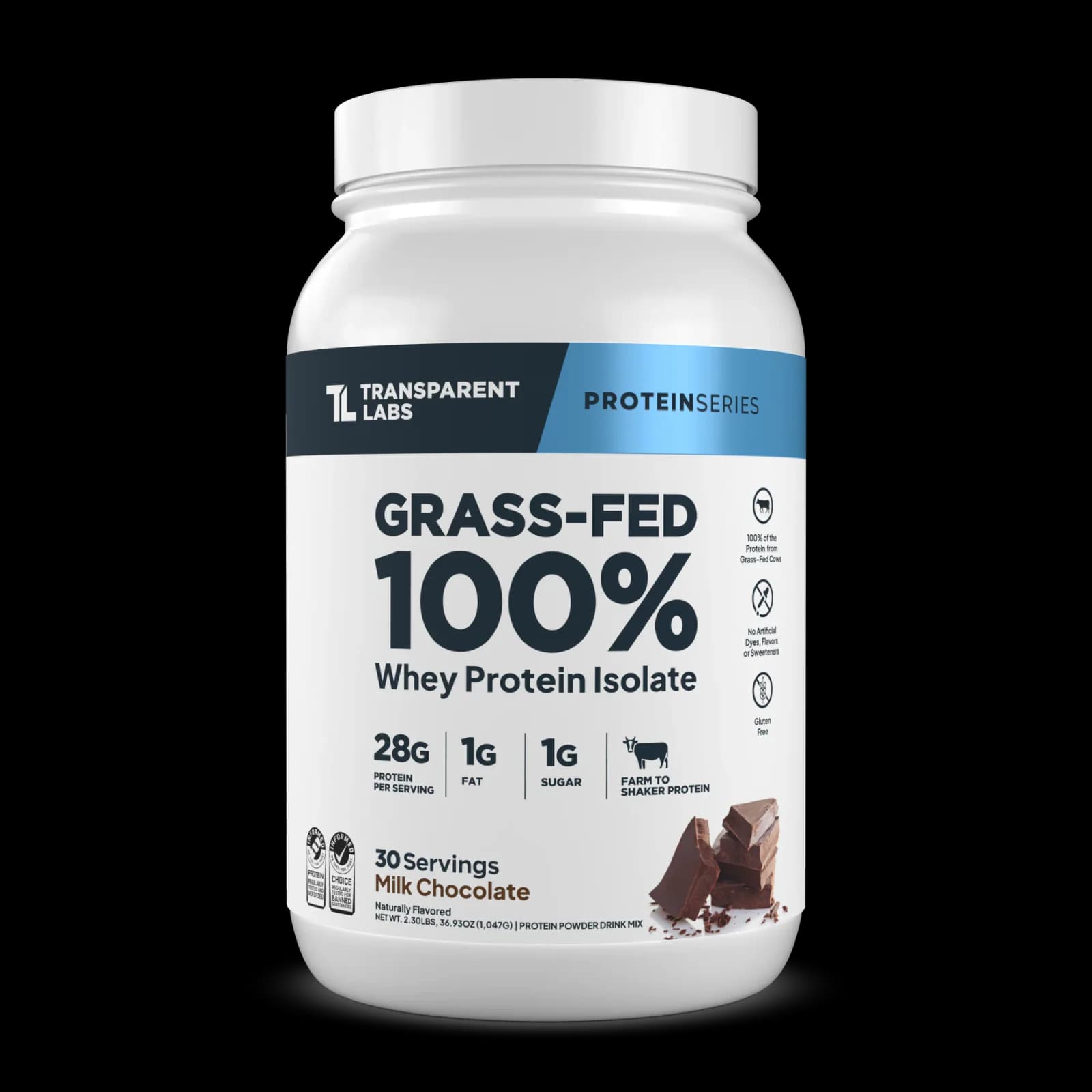
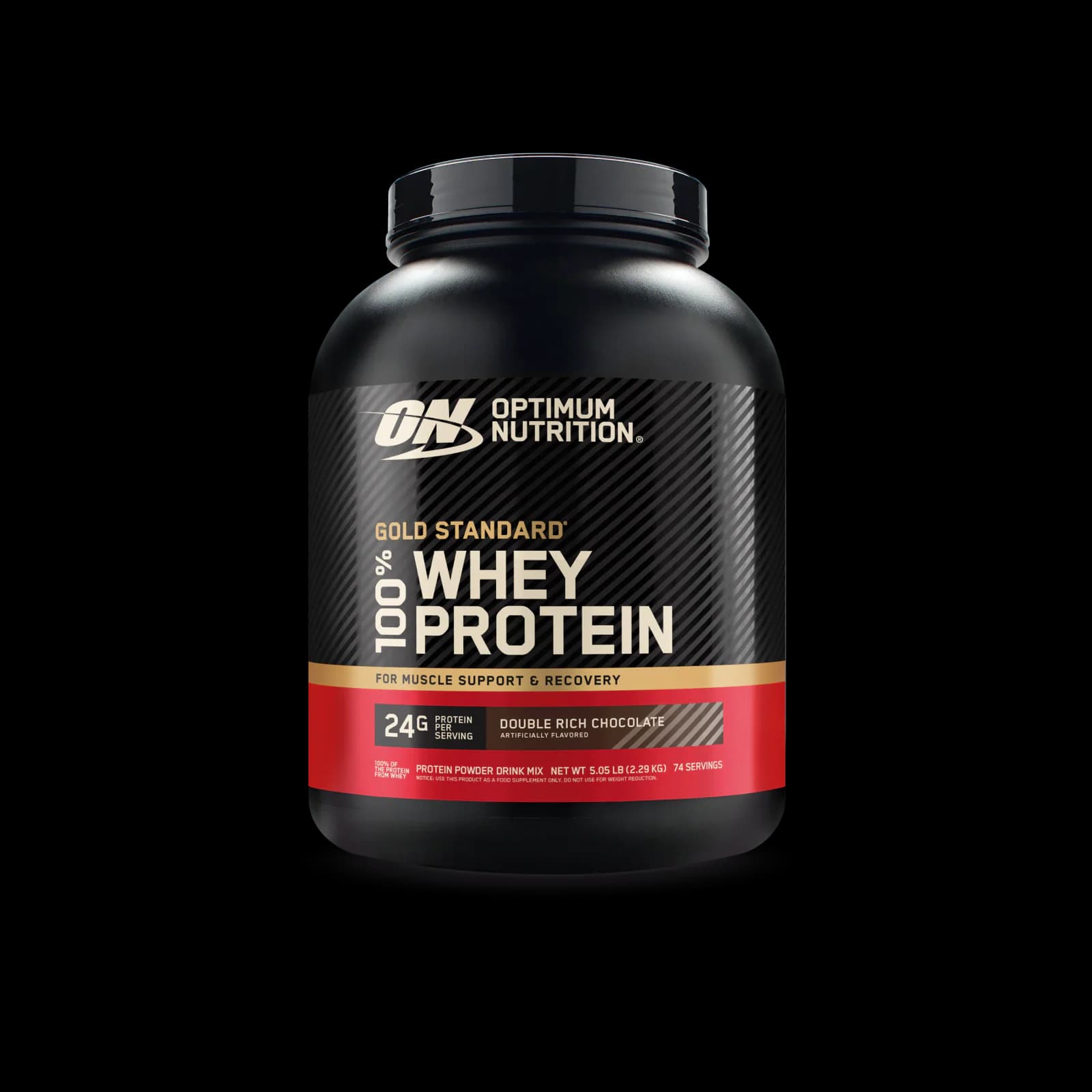
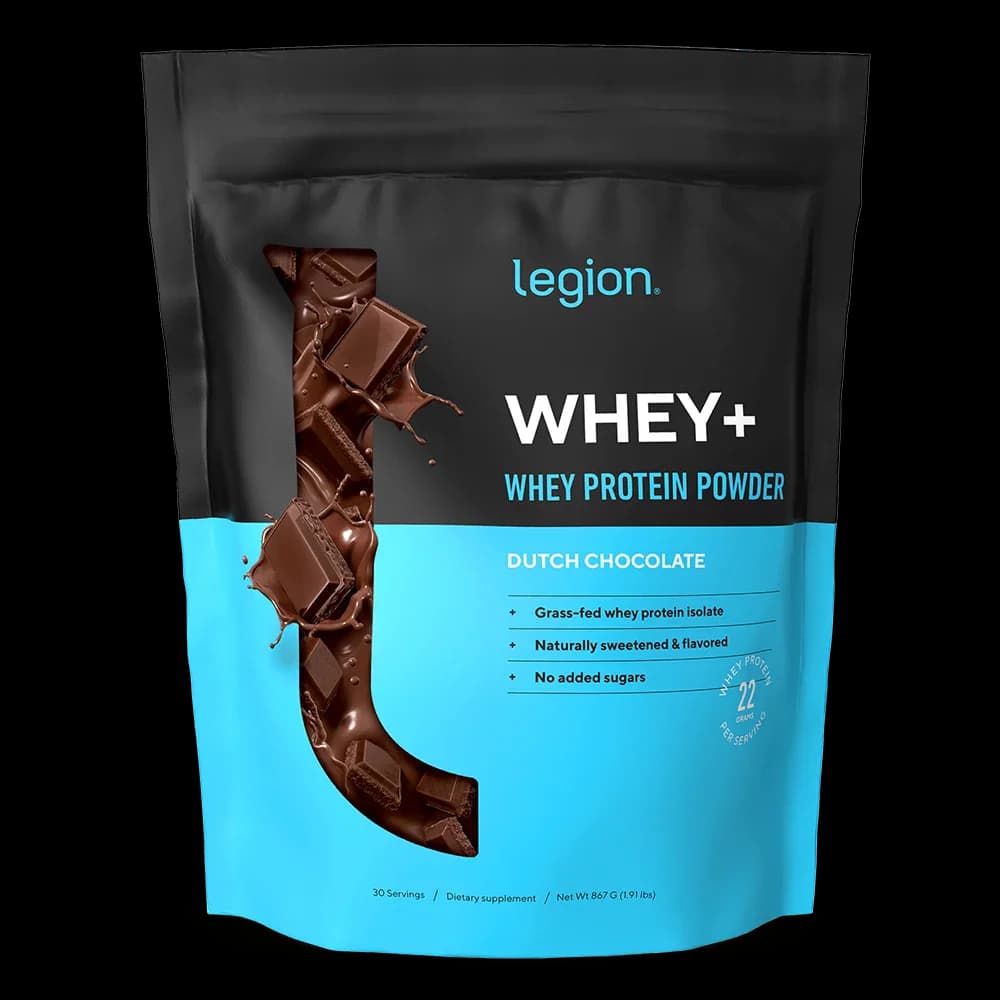
Per gram of protein, powder from a large tub is almost always the cheapest option, single-serve sachets sit in the middle, and bottled RTD shakes cost the most. What has changed is the size of the gap. Wholesale whey has repriced violently — WPC80 (whey protein concentrate that is at least 80% protein by weight) was quoted at about $32,000 per metric tonne in mid-2026, up from roughly $5,500 per tonne in the same period of 2023, according to commodity data cited by NutraIngredients [1]. That cost lands hardest on the format where protein is the biggest share of the price: the tub.
Bottles contain far less protein per unit of packaging and shipping weight, so the raw-material shock is diluted by everything else you are paying for — water, a plastic or carton package, aseptic filling, pallet space, chilled or ambient distribution and retail margin. The practical result is that tubs have risen sharply while bottle prices have moved less dramatically, and the old rule of thumb that "RTDs cost two to three times as much per gram" no longer holds everywhere.
Bottom line: Powder still wins on cost per gram in most carts, but you can no longer assume it. Run the math on the specific pack in front of you, because the premium for a bottle has shrunk from "obvious" to "sometimes marginal".
Why bottled shakes cost what they cost in 2026
Whey is a by-product of cheesemaking, so its supply is tied to how much cheese the dairy industry makes, while demand for protein has grown much faster than cheese output [1]. Demand is now arriving from several directions at once: sports nutrition, healthy ageing, weight management and protein-fortified everyday foods, plus people using GLP-1 medications who are advised to keep protein high to protect muscle while losing weight [1]. Expanding supply is slow because whey protein manufacturing needs specialised membrane filtration and spray-drying capacity, and new lines take years to build [1].
Retail prices do not track ingredient costs one-for-one — brands absorb some of the increase, and packaging, manufacturing, shipping and retailer margin all sit on top [2]. But the direction of travel is clear. One widely sold 2-pound whey tub was listed at about $74.49 on the brand's own US site in September 2026, compared with $49.99 for the same size in a 2024 retailer listing — roughly 49% higher, even allowing for differences in promotions between channels [2].
For bottles, the ingredient cost is a smaller slice of a bigger pie. A 30 g dose of protein is a few cents of packaging in a tub and a whole bottle, cap, label, carton and shipping of mostly water in an RTD. That is why bottles behaved like a cushioned format through the squeeze: they were already expensive relative to their protein content, so a whey price spike moved them proportionally less.
Cost per 30 g of protein: bottles vs sachets vs bulk tubs
The 10-second calculation
Ignore price per pound, price per bottle and price per scoop. The only number that compares formats is cost per gram of protein:
- Find total protein in the pack: servings per container × grams of protein per serving.
- Divide the pack price by that number to get cost per gram.
- Multiply by 30 for a standard dose.
A 12-pack of 30 g bottles contains 360 g of protein. A 5-pound tub advertising 70 servings at 25 g contains 1,750 g. That is nearly five times the protein in one shipment, which is exactly why bulk buying works — and why the number on the front of the tub ("5 lb") tells you nothing useful on its own, since powders differ in how much of that weight is actually protein.
A shelf-side comparison
The figures below are illustrative examples at the kind of US prices shoppers were seeing in late 2026, not quotes from any specific retailer. Use them as a template and drop in the numbers on the pack you are holding.
| Format | Example pack | Protein in pack | Example pack price | Cost per 30 g protein | What you also pay for |
|---|---|---|---|---|---|
| Bulk tub (5 lb) | 70 servings × 25 g | 1,750 g | $150 | ~$2.57 | A shaker, water and two minutes |
| Mid-size tub (2 lb) | 28 servings × 25 g | 700 g | $70 | ~$3.00 | Smaller pack, higher unit cost |
| Single-serve sachets | 20 × 25 g | 500 g | $60 | ~$3.60 | Portability, portion control, more packaging |
| Standard RTD bottle | 12 × 30 g | 360 g | $42 | ~$3.50 | Water, bottle, aseptic processing, chilling |
| Budget RTD bottle | 12 × 20 g | 240 g | $30 | ~$3.75 | Same, with a smaller dose per bottle |
| High-protein RTD | 12 × 40 g | 480 g | $60 | ~$3.75 | Fewer bottles needed per 40 g dose |
Two patterns show up every time you run this exercise. First, pack size matters more than format within powders: the same product in a 5-pound tub is usually 15–25% cheaper per gram than the 2-pound version. Second, among RTDs, protein per bottle matters more than price per bottle — a cheap 20 g bottle is often worse value per 30 g than a pricier 40 g one.
Pro tip: Write the cost per 30 g on the lid with a marker when you open a new tub or case. Next time you shop, you are comparing one number instead of re-deriving it in the aisle.
Where subscriptions and multipacks change the answer
Recurring-delivery discounts and larger multipacks usually shave 5–15% off, and they apply to both formats — so they rarely change the ranking, only the gap. What does change the ranking is waste. A tub you lose interest in halfway through costs double per gram actually consumed. If you have abandoned powders before, the honest comparison is cost per shake you will really drink, not cost per shake on the label.
Be especially careful with viral RTD launches sold through social commerce, where introductory pricing, bundle maths and "limited drop" urgency make per-gram comparisons hard on purpose. Our guide to vetting viral supplement products walks through the checks worth doing before a first order.
What's in an RTD besides protein
A tub of unflavoured or lightly flavoured whey is close to a single ingredient. A shelf-stable bottle is a formulated beverage, and almost everything added to it exists to solve a physics or flavour problem created by putting protein in water and heating it.
Calories per gram of protein
Protein itself supplies about 4 calories per gram, so a 30 g dose has a theoretical floor of roughly 120 calories. Powder mixed with water typically lands near 130 calories per 30 g of protein — about 4.3 calories per gram. A lean RTD at 150 calories for 30 g works out at 5.0 calories per gram. A dessert-style or "meal" shake at 300 calories for the same 30 g is 10 calories per gram, which is a completely different product even though the front label makes the same promise.
That ratio — calories divided by grams of protein — is the single most useful number on an RTD label, especially if you are using shakes to hit a protein target inside a calorie budget. Anything under about 5.5 is a protein drink. Anything over 8 is a meal replacement, and should be compared with meal replacement shakes rather than with your tub.
Added sugars, sweeteners and oils
Many RTDs are sweetened with sucralose, acesulfame potassium, stevia or a blend, and carry little or no added sugar. Others add 5–15 g of sugar for mouthfeel and flavour masking. Context helps: the Daily Value for added sugars on the Nutrition Facts label is 50 g per day on a 2,000-calorie diet, reflecting the Dietary Guidelines' advice to keep added sugars under 10% of total calories [3]. The guidelines are explicit that the sugar naturally present in plain milk is not an added sugar, so a milk-based shake can show meaningful total sugars with zero added sugars [4]. Two shakes a day at 12 g of added sugar each would use roughly half of that 50 g allowance before you eat anything else [3, 4].
Oils are the other quiet calorie source. Sunflower, canola or MCT oil improves texture and helps suspend the protein, and a gram or two per bottle is invisible on the front of the pack but shows up in the calorie ratio.
Gums, stabilisers, caffeine and other extras
Protein in water wants to aggregate, sediment and eventually gel. Formulators manage that with cellulose gel and gum, gellan gum, carrageenan, phosphate salts and emulsifiers. These are there for stability rather than nutrition, and most people tolerate them fine; a minority find that gum-heavy drinks are harder on the gut than a plain powder shake, which is worth knowing if you are already tracking bloating.
Caffeine is increasingly common in coffee-flavoured RTDs, and it is not always flagged prominently on the front of the bottle. If you also drink coffee, use a pre-workout or take an energy supplement, check the label and add up your total for the day rather than assuming a protein shake is caffeine-free.
Good to know: RTDs are usually sold as conventional beverages with a Nutrition Facts panel, while powders are often sold as dietary supplements with a Supplement Facts panel. The panels look similar but follow different rules — our guide to reading a supplement label explains what each one does and does not have to tell you.
Protein quality after UHT processing: does it matter?
To be shelf stable, a bottled shake has to be heated hard — ultra-high-temperature processing in the region of 140°C for a few seconds, or retort sterilisation at a lower temperature for several minutes. Does that damage the protein you are paying for?
What heat does to milk protein
Heat drives the Maillard reaction between lactose and protein, and the amino acid most vulnerable to it is lysine, which can become "blocked" and unavailable [5]. Furosine is the standard laboratory marker used to estimate how much lysine has been blocked [5]. Heat also denatures some minor whey proteins: a proteomics comparison of milk treated at 85°C for 15 seconds versus UHT at 135°C for 15 seconds found 15 heat-sensitive proteins decreased in abundance after UHT, several of them linked to immune functionality [6]. Those are minor bioactive fractions, not the bulk amino acids you buy protein for.
Processing route matters more than the mere fact of heating. In a 2025 study comparing vanilla milk protein beverages made by UHT with direct steam injection (142°C for 3 s), retort (123°C) and autoclave (112°C for 6 min), the retort and autoclave products browned more and developed far more Maillard and Strecker degradation volatiles — the caramel notes you can taste in some shelf-stable shakes — while the short, sharp UHT-DSI treatment was much closer to unheated beverages [7]. Notably, furosine was actually higher in the unheated rehydrated beverages than in the thermally processed ones, a reminder that the protein powder used as the starting ingredient already carries a heat history of its own [7].
What it means in a human body
This is where the alarm usually outruns the evidence. In minipigs fitted with intestinal cannulas, high-temperature and UHT milk formed more fragmented curds and emptied from the stomach faster than pasteurised milk — but there were no notable differences in plasma amino acid accumulation between the heat treatments [8]. In other words, digestion kinetics changed; total amino acid delivery did not.
Human data are thin. A rapid review searching four databases found only four eligible studies, with 57 participants in total, using different heat treatments and different outcomes [9]. One study reported reduced retention of dietary nitrogen with UHT milk (25 participants), and another found reduced plasma lysine appearance with milk that had been oven-heated for five hours — an extreme treatment unlike anything in a beverage plant [9]. All the studies carried a moderate-to-high risk of bias, and the reviewers concluded that the findings cannot be generalised [9]. Laboratory work points the same way: heating and homogenisation measurably alter how milk proteins break down in an in vitro digestion model, without implying that less protein is absorbed overall [10].
The fair summary: UHT changes the speed and the flavour chemistry of a protein drink, and may trim a small amount of available lysine, but there is no good evidence that a bottled whey shake delivers meaningfully less usable protein than the same protein from a tub. If you are getting 30 g of a complete dairy protein, you are comfortably past the 20–40 g per-dose range and the 700–3,000 mg of leucine that the International Society of Sports Nutrition describes as sufficient to maximally stimulate muscle protein synthesis [11].
The storage question
The more interesting issue is time, not temperature. Protein glycation continues during storage at room temperature, and commercially available milk protein powders and infant formulas have been reported with blocked lysine levels as high as 55% [5]. Composition drives this: in ready-to-feed liquid formula, products based on whey protein ended up with higher advanced glycation end-products than casein-based versions, and added copper and iron increased Maillard intermediates [12]. Laboratory work with whey protein and sugars under adverse storage conditions shows lysine loss is an early and measurable step [13]. Plant-based drinks are not exempt — in a survey of commercial plant drinks, products containing added sugar showed more Maillard-related processing markers [14].
Practically, this argues for two habits: buy bottles with plenty of shelf life left and store them somewhere cool, and do not treat a case of shakes discovered at the back of a hot garage as nutritionally identical to a fresh one.
Safety note: Any shake left at room temperature after opening is a microbiological question, not a protein-quality one. Refrigerate an opened bottle and drink it the same day, and treat a bottle that is swollen, separated beyond a quick shake, or off-smelling as one to discard.
Where RTDs genuinely earn the premium
Per-gram cost is not the only currency. These are the situations where paying roughly $0.50–$1.20 extra per 30 g dose is a defensible trade:
- Travel and commuting. No shaker to wash, no powder in a security tray, no clumped protein in a hot bag. Protein intake spread across the day in roughly 20–40 g doses every 3–4 hours is what the evidence supports, and a bottle in a backpack is often the difference between hitting that pattern and skipping it [11].
- Post-surgery, illness recovery and poor appetite. When eating is hard, a cold, pre-mixed, calorie-dense drink is more likely to be finished than a shake someone has to make.
- Older adults and carers. Grip strength, tremor and fatigue make scooping and shaking a real obstacle. The anabolic benefit of supplemental protein only exists if the protein is actually consumed.
- Office and hospital shifts. Where there is no kitchen, no sink and no reliable break, a shelf-stable bottle is the realistic format.
- Portion discipline. If you tend to free-pour scoops, a bottle is a fixed, countable dose.
- Testing a flavour before committing. Buying one bottle beats being stuck with five pounds of a flavour you dislike.
What RTDs do not buy you is a better result. Meta-analytic evidence summarised in a peer-reviewed review found protein supplementation alongside resistance training increased fat-free mass gains by about 27% (roughly 0.3 kg on average) across 49 studies and 1,863 participants, with total daily intake around 1.6 g/kg of body mass as a plausible upper limit for additional benefit [15]. The format of the protein is not the variable that drives that effect — total daily intake and training are [11, 15]. If you are not sure what your target should be, start with our guide to how much protein you really need.
How to build a cheaper shake that travels
Most of the convenience of an RTD can be recreated for close to tub prices with a little setup:
- Pre-portion into sachets or small jars. Weigh scoops into zip bags or 60 ml screw-top containers once a week. You get sachet convenience at bulk-tub cost.
- Use a shaker with a dry storage compartment. Powder below, empty bottle above, add water anywhere.
- Choose a powder that mixes in cold water without a blender. Lower-fat isolates and hydrolysates disperse more easily than high-fat blends; if lactose bothers you, isolate is also lower in it. Our comparison of whey isolate, concentrate and hydrolysate covers the trade-offs, and clear whey is worth considering if you prefer a juice-like drink to a creamy one.
- Shake with cold water first, then add anything else. Protein disperses better before milk, oat drink or coffee goes in.
- Mix the night before. A shake made with water and refrigerated overnight is fine the next morning and tastes less foamy.
- Keep one emergency bottle. The cheapest way to use RTDs is as a backup, not as the default.
One honest caveat: a DIY shake is not shelf stable. It needs refrigeration within a couple of hours and should be finished the same day. For a long travel day in heat, the bottle is the safer choice.
How to choose a good RTD or powder
Whichever format you land on, the same checks apply:
- Grams of protein per serving, not per bottle size. A 500 ml bottle with 20 g is a weaker deal than a 330 ml bottle with 30 g.
- Calories per gram of protein. Under about 5.5 for a protein drink; higher is a meal replacement, which may still be what you want.
- Added sugars on the panel, not total sugars. Milk sugars are not added sugars [4].
- A named protein source. "Milk protein concentrate", "whey protein isolate" or "pea and rice protein", not just "protein blend".
- Third-party certification if you compete in a tested sport or simply want contaminant screening. Independent certification is also the most practical consumer answer to heavy-metal concerns, which we cover in our report on lead in protein powder and in third-party testing explained.
- Red flags: proprietary blends that hide how much of each protein you are getting, claims to cure or treat conditions, "clinically proven" without a reference, and bundle pricing that makes per-gram cost impossible to calculate.
Safety and who should check first
Protein supplements are food, not medicine, and for most healthy adults an extra 25–50 g a day from either format is unremarkable. A few people should take more care:
- Chronic kidney disease or a single kidney. Protein targets should be set by your clinician, not by a label.
- Pregnancy and breastfeeding. Ask about any supplement with added caffeine, herbal ingredients or very high vitamin and mineral fortification.
- Lactose intolerance. Concentrate-based powders and milk-protein RTDs contain more lactose than isolate.
- Anyone on medications. Minerals added to fortified shakes, including calcium, iron and zinc, can interfere with absorption of some drugs — a reason to space shakes away from medication and to ask a pharmacist.
- Children. High-protein RTDs are formulated for adults; added caffeine makes them inappropriate for kids.
If you are managing a medical condition, taking prescription medication, or using a GLP-1 medication and trying to protect muscle mass, bring your actual protein plan to a doctor or registered dietitian rather than reverse-engineering it from marketing.
The bottom line
Bulk powder remains the cheapest way to buy protein, sachets cost a modest premium for portability, and RTDs sit at the top — but after the 2026 whey squeeze the spread is tighter than most shoppers assume, because tub prices rose on ingredient cost while bottle prices were always dominated by packaging and logistics [1, 2]. Work in cost per 30 g, not price per tub or per bottle, and the right answer becomes obvious in about ten seconds.
On quality, the fear that UHT "ruins" protein is not supported by what has been measured: heat changes digestion speed, browning and flavour chemistry, and may cost a little lysine, but amino acid delivery looks broadly comparable, and the human evidence is too sparse and too biased to support strong claims either way [7–9]. The things most likely to make a bottled shake a bad buy are mundane — a low dose, a high calorie-to-protein ratio, added sugars you did not notice, and a price per gram you never calculated.
Buy powder for the everyday dose, keep a few bottles for the days when powder will not happen, and spend the saving on food.
This article is for general information and isn’t medical advice. Supplements can interact with medications and conditions — talk to a qualified healthcare professional before starting one. Medical disclaimer.
Frequently asked questions
Is protein powder cheaper than ready-to-drink protein shakes?
How do I calculate cost per 30 g of protein?
Does UHT processing damage the protein in bottled shakes?
Are ready-to-drink protein shakes ever worth the extra cost?
What should I look for on a ready-to-drink shake label?
References
- [1]Protein brands grapple with soaring whey costs amid heightened demandNutraIngredients (2026)
- [2]Why Your Protein Powder Suddenly Costs So Much More in 2026Men's Journal via Yahoo Shopping (2026)
- [3]Added Sugars on the Nutrition Facts LabelU.S. Food and Drug Administration
- [4]Cut Down on Added Sugars (Dietary Guidelines for Americans fact sheet)DietaryGuidelines.gov, USDA and HHS
- [5]The glycation level of milk protein strongly modulates post-prandial lysine availability in humansBritish Journal of Nutrition (2020)
- [6]Proteomics Analysis Reveals Altered Nutrients in the Whey Proteins of Dairy Cow Milk with Different Thermal TreatmentsMolecules (2021)
- [7]Comparison of vanilla-flavored milk protein beverages thermally processed by direct steam injection, retort, and autoclaveJournal of Dairy Science (2025)
- [8]Heat treatment affects gastric digestion kinetics but not amino acid bioavailability of milk proteins: a pig studyFood Chemistry (2025)
- [9]Heat Treatment of Milk: A Rapid Review of the Impacts on Postprandial Protein and Lipid Kinetics in Human AdultsFrontiers in Nutrition (2021)
- [10]Effect of heat and homogenization on in vitro digestion of milkJournal of Dairy Science (2016)
- [11]International Society of Sports Nutrition Position Stand: protein and exerciseJournal of the International Society of Sports Nutrition (2017)
- [12]Impact of ingredient composition and micronutrient interactions on Maillard reaction product in ready-to-feed liquid formulaFood Research International (2026)
- [13]A study of different indicators of Maillard reaction with whey proteins and different carbohydrates under adverse storage conditionsFood Chemistry (2017)
- [14]Processing-Induced Markers in Proteins of Commercial Plant-Based Drinks in Relation to Compositional AspectsFoods (2023)
- [15]Whey protein supplementation and muscle mass: current perspectivesNutrition and Dietary Supplements, Dove Medical Press (2019)