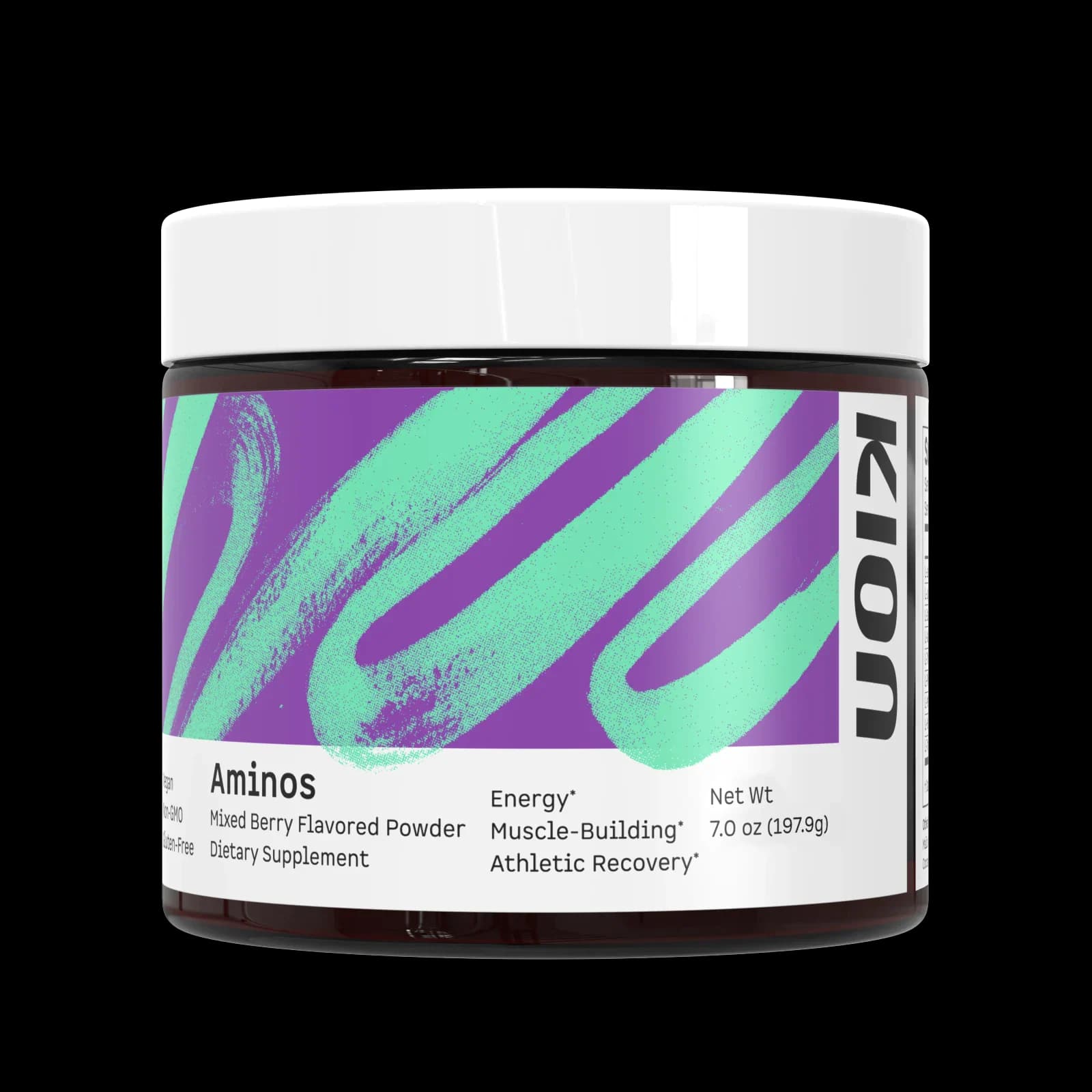
6.3Poor
A fully disclosed EAA powder with 5 g of all nine essential amino acids and 2 g of leucine per scoop, sweetened with stevia, at about $1.67 a serving.
3rd-party testedcGMP
5 videos Shop$1.67/serving
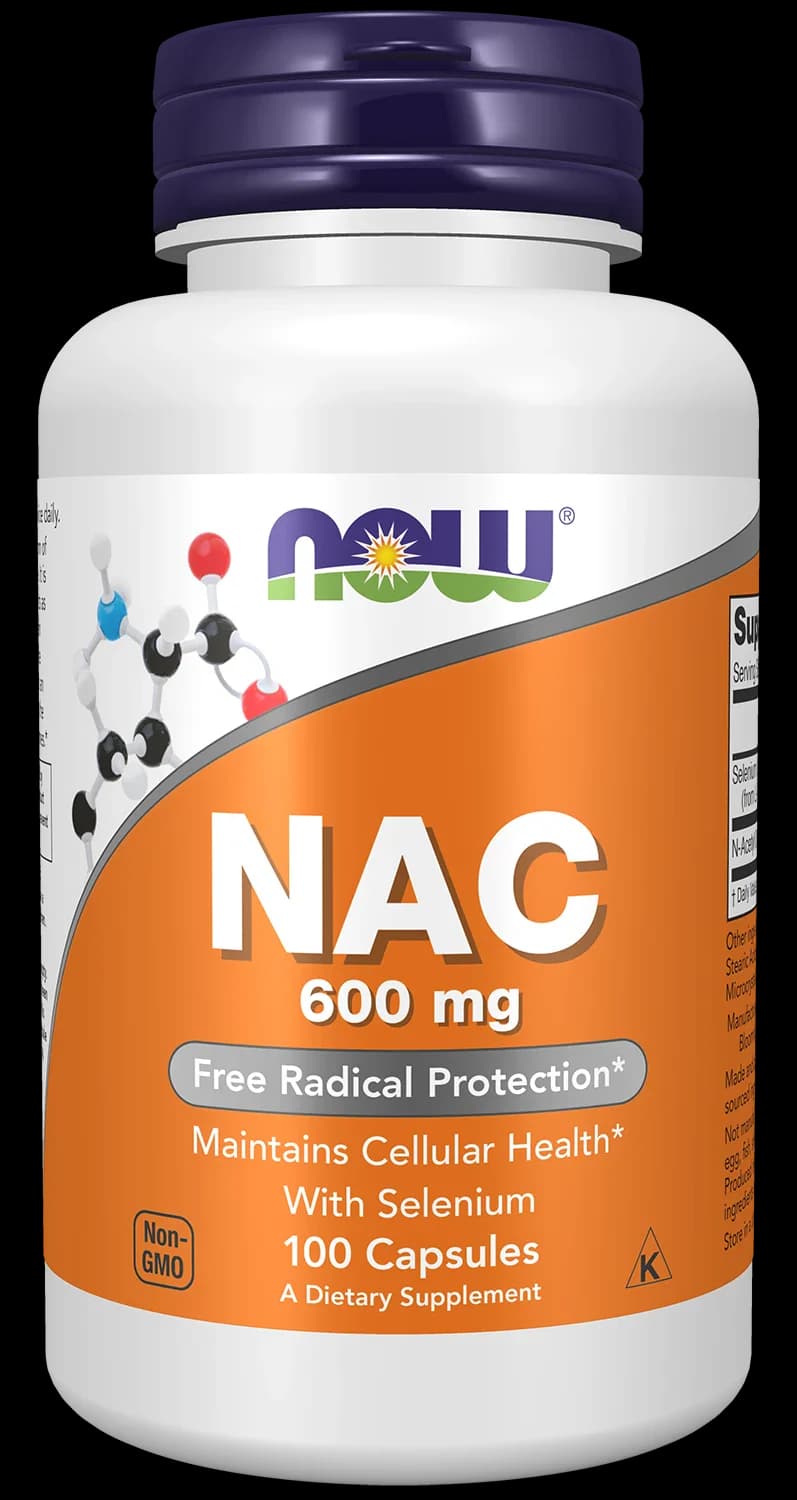
600 mg of NAC plus 25 mcg of selenium per capsule for about $0.44 a day; well made and plainly labeled, but NAC's benefits for healthy adults are modest.
Mixed
Nutrition Reviews score
Weighted across efficacy, quality, value, experience & transparency. See breakdown
We may earn a commission when you buy through these links — it never affects our scores. How we make money
Last reviewed October 26, 2026 by the Nutrition Reviews Editorial Team · How we review
Our verdict
NOW's NAC is a well-priced, plainly labeled way to take the 1,200 mg daily dose used in most research, from a manufacturer with accredited in-house testing. The catch is NAC itself: evidence for noticeable benefits in healthy people is thin, and its legal status rests on FDA enforcement discretion rather than a final rule. It is a sensible choice if you and your clinician want to try NAC, as long as you count the selenium.
Best for
Skip it if
Our five-factor score out of 10. Factors are weighted by how much they matter to the outcome you’re paying for. Methodology
out of 10
Key ingredients at clinically studied doses, and how strong the evidence is.
Third-party testing and certifications, manufacturing standards, contaminant testing, recall history.
Cost per effective serving compared with category peers.
Taste, mixability, texture and tolerability from aggregated buyer and creator feedback.
Full label disclosure (no proprietary blends), available COAs, honest marketing.
NOW's NAC 600 mg provides 600 mg of N-acetyl cysteine and 25 mcg of selenium (as L-selenomethionine) per capsule, with a suggested dose of one capsule twice daily. That is 1,200 mg of NAC and 50 mcg of selenium a day, about 91% of the selenium Daily Value and well under the 400 mcg adult upper limit. Older bottles and some listings still mention 50 mcg of molybdenum, which NOW's current label no longer includes.
NAC has an unusual legal history. FDA approved it as a drug in 1963, and in 2020 warning letters it said that made NAC ineligible as a supplement; Amazon pulled NAC products in 2021. In August 2022, FDA issued final guidance saying it would not act against otherwise lawful NAC supplements while it weighs a rule to allow them, and Amazon resumed sales. As of October 2026 no rule has been proposed.
The body uses NAC to make glutathione, a key antioxidant, but only about 6 to 10% of an oral dose reaches the blood. In a 2018 trial, this same 1,200 mg daily dose improved exercise performance only in people who started with low glutathione, and a 2017 meta-analysis found no clear performance benefit. Most other trials tested NAC as a drug in people with medical conditions; its hospital use for acetaminophen overdose is a drug use, not a supplement claim. Common complaints are a sulfur smell, harmless speckling in the capsules and stomach upset. At NOW's list price of $21.99 for 100 capsules, the label dose costs about $0.44 a day, and NOW tests its products in its own accredited labs.
| Key ingredient | Per serving | Why it matters |
|---|---|---|
| N-Acetyl Cysteine (NAC) A glutathione precursor; two capsules (1,200 mg) match the daily dose in a 2018 trial that helped only people with low glutathione, and oral absorption is about 6 to 10%. | 600 mg | A glutathione precursor; two capsules (1,200 mg) match the daily dose in a 2018 trial that helped only people with low glutathione, and oral absorption is about 6 to 10%. |
| Selenium (as L-selenomethionine) Two capsules supply 50 mcg, close to the 55 mcg RDA and far below the 400 mcg adult upper limit; count other selenium sources. | 25 mcg (45% DV) | Two capsules supply 50 mcg, close to the 55 mcg RDA and far below the 400 mcg adult upper limit; count other selenium sources. |
Supplement Facts
Serving Size 1 Capsule
Servings Per Container 100
* Percent Daily Values are based on a 2,000 calorie diet. † Daily Value not established.
Other ingredients: Hypromellose (cellulose capsule), Stearic Acid (vegetable source), Citric Acid and Microcrystalline Cellulose.
Not manufactured with wheat, gluten, soy, milk, egg, fish, shellfish, tree nut or sesame ingredients. Produced in a GMP facility that processes other ingredients containing these allergens.
Testing & quality
NOW says its in-house laboratories are ISO/IEC accredited and that its manufacturing holds a third-party GMP certification (Intertek badge on product pages); some products carry Informed Sport, but its C-1000 has no USP or NSF certification.
Goals it supports
Independent creators reviewing NAC 600 mg Capsules with Selenium on YouTube.
What we like
Watch-outs
Similar products, ranked by our score.
A fully disclosed EAA powder with 5 g of all nine essential amino acids and 2 g of leucine per scoop, sweetened with stevia, at about $1.67 a serving.
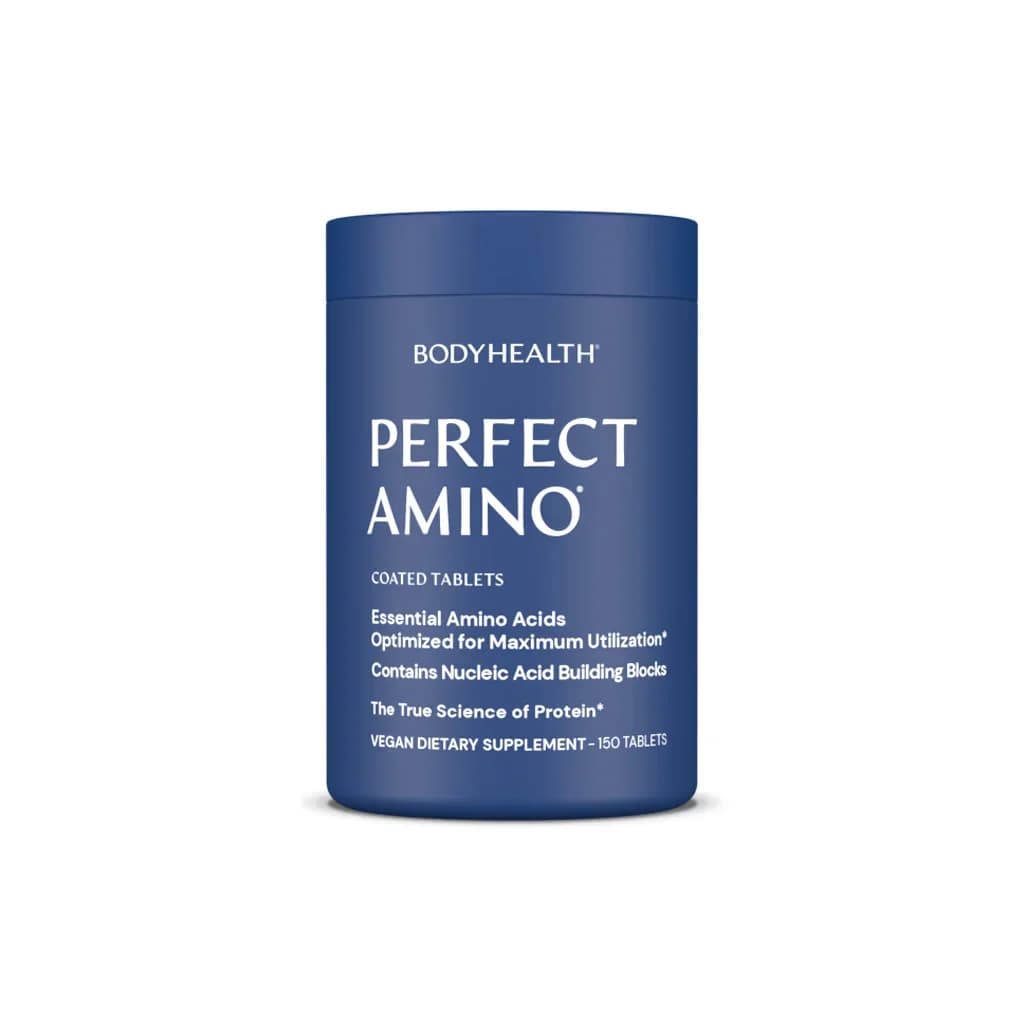
BodyHealth
Five tablets give 5 g of essential amino acids in an undisclosed ratio for $1.50; the 99% utilization claim rests on old studies of a different formula.
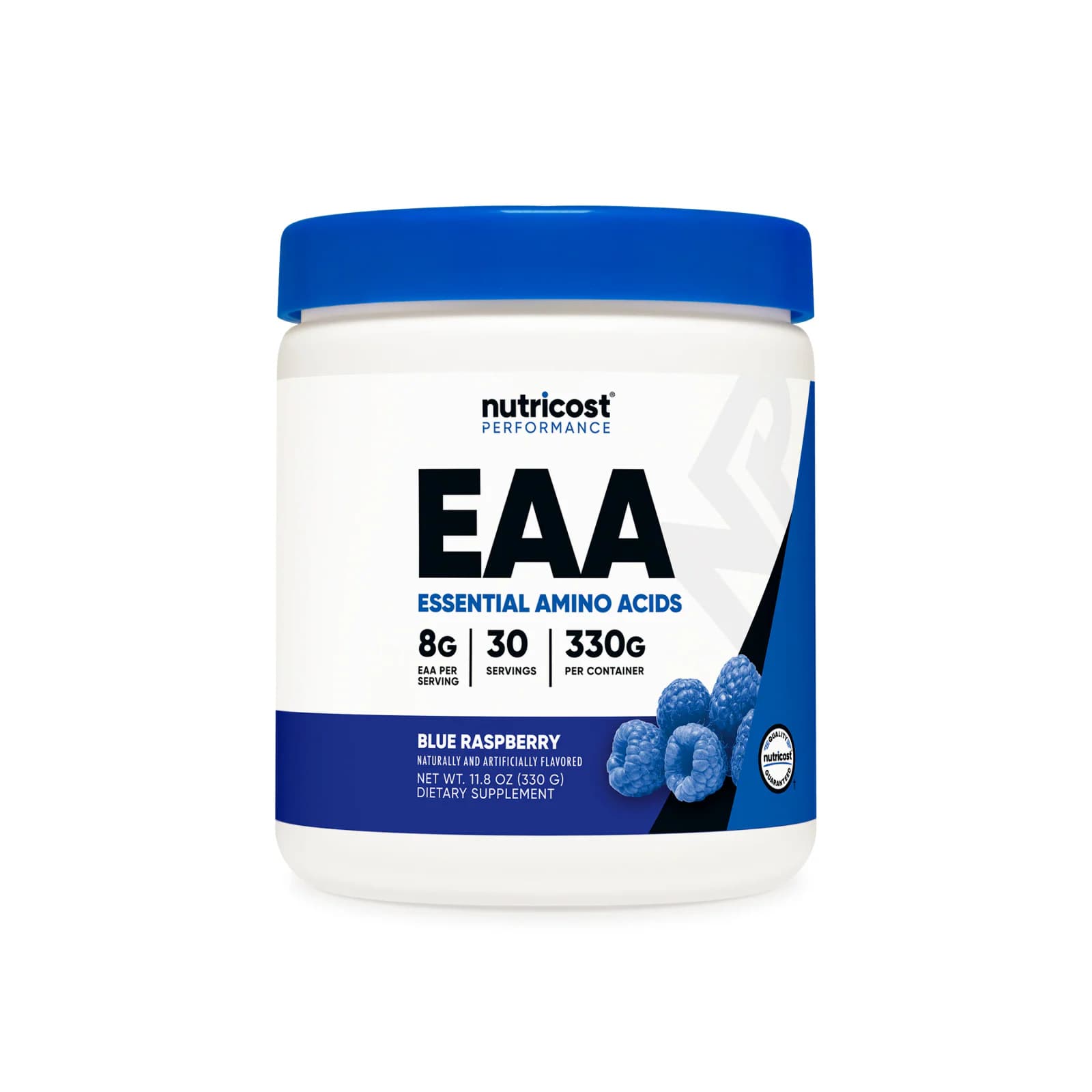
Nutricost
A budget EAA powder at about $0.67 a serving that includes all nine essential amino acids, but 6 of its 8 g are BCAAs and several others are only token amounts.
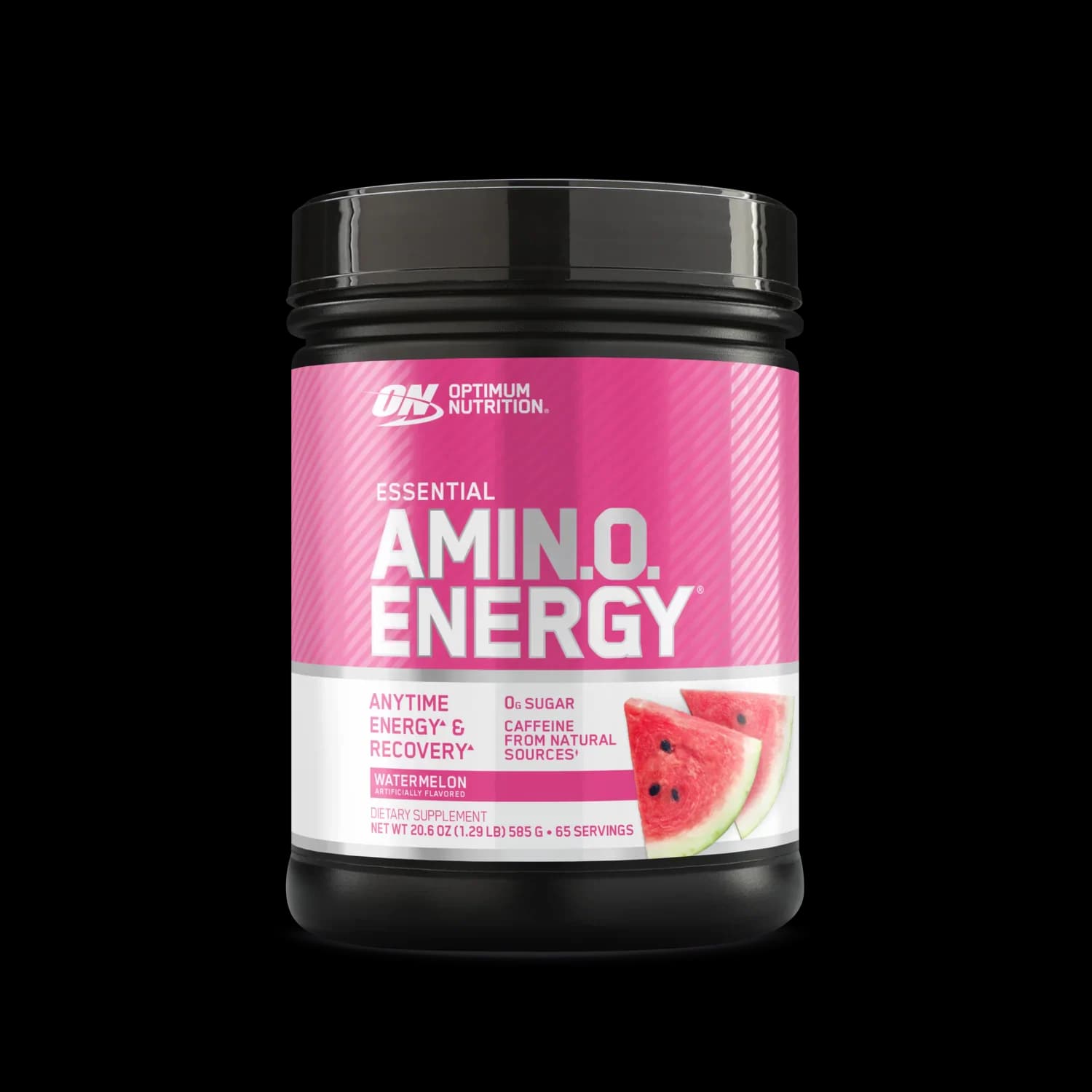
Optimum Nutrition
A hugely popular caffeinated amino drink: 100 mg natural caffeine plus a 5 g proprietary amino blend led by taurine, glutamine and arginine, so EAA doses are unknown.
How to calculate cost per 30 g of protein for bottles, sachets and tubs, what else is in a ready-to-drink shake, and whether UHT processing hurts protein.
Nutrition Reviews Editorial Team · Oct 17, 2026
Pre-workout, an energy drink or a plain caffeine tablet: how the three compare on milligrams per serving, cost per 100 mg, extras, labelling and safety.
Nutrition Reviews Editorial Team · Oct 13, 2026
Consumer Reports found lead in most protein powders it tested. Here is what the thresholds really mean, why plant powders test higher, and how to cut exposure.
Nutrition Reviews Editorial Team · Oct 8, 2026