On this page
- What's in a typical pre-workout
- Caffeine: the ingredient doing most of the work
- Caffeine limits and stimulant safety
- Creatine: effective, just not "pre" anything
- Beta-alanine: the tingle isn't the benefit
- Citrulline: a modest "pump" ingredient
- Nitrates: an endurance ingredient in a strength-training product
- Tyrosine and other label fillers
- Proprietary blends: why they're a red flag
- How to choose a pre-workout
- The bottom line
Key takeaways
- Caffeine is the most effective pre-workout ingredient: 3–6 mg/kg about 60 minutes before exercise, and 2–3 mg/kg is often enough.
- Creatine and beta-alanine work through daily use over weeks, and top-selling pre-workouts tend to underdose both.
- Citrulline malate (6–8 g) and dietary nitrate (5–9 mmol, 2–3 hours before) offer small, situational benefits.
- Tyrosine, arginine and BCAAs add little for physical performance at the doses used in pre-workouts.
- Proprietary blends hide doses, and stimulants such as DMAA are illegal in supplements and risky.
- Keep total caffeine within about 400 mg a day (200 mg in pregnancy) and avoid it for at least 6 hours before bed.
Most pre-workout formulas are built around a handful of ingredients that genuinely work, surrounded by extras that mostly pad the label. This guide explains what caffeine, creatine, beta-alanine, citrulline and nitrates actually do and the doses used in research, including caffeine by body weight. It also covers which popular ingredients fall short, why proprietary blends are a red flag, and how to keep stimulant use safe.
What's in a typical pre-workout
When researchers analyzed the 100 top-selling pre-workout products, the average formula listed about 18 ingredients, 8 of them inside proprietary blends with undisclosed amounts. The most common were beta-alanine (in 87% of products), caffeine (86%), citrulline (71%), tyrosine (63%), taurine (51%) and creatine (49%) [1]. Research on multi-ingredient pre-workouts suggests they can improve muscular endurance and mood in the short term, with mixed results for strength and power. They appear relatively safe in studies lasting under eight weeks, but longer-term safety data are thin [2].
Here's how the main ingredients compare with the research:
| Ingredient | Dose used in research | Timing | Strength of evidence | Average per serving in top sellers |
|---|---|---|---|---|
| Caffeine | 3–6 mg/kg (possibly as little as 2 mg/kg) | About 60 min before | Strong | 254 mg |
| Creatine monohydrate | 3–5 g a day (after optional loading) | Daily; consistency matters more than timing | Strong, over weeks of training | 2.1 g |
| Beta-alanine | 4–6 g a day in split doses | Daily for at least 2–4 weeks | Moderate, for hard efforts of about 1–4 min | 2.0 g |
| Citrulline malate | 6–8 g | 40–60 min before | Small | 4.0 g (citrulline) |
| Nitrate (e.g., beetroot juice) | 5–9 mmol (about 310–560 mg of nitrate) | 2–3 hours before | Small, mainly endurance | Not reported |
| Tyrosine | 150 mg/kg in a performance trial | 30 min before | No physical benefit shown | 348 mg |
Sources: doses and evidence [3][4][5][6][7][8]; product averages from an analysis of 100 top-selling pre-workouts [1].
Caffeine: the ingredient doing most of the work
Caffeine is the best-supported performance ingredient in the tub. According to the International Society of Sports Nutrition (ISSN), caffeine consistently improves exercise performance at 3–6 mg per kg of body weight, and doses as low as 2 mg/kg may work. Very high doses, around 9 mg/kg, cause frequent side effects without adding benefit. Caffeine is most commonly taken about 60 minutes before exercise [3]. An umbrella review of 21 meta-analyses found benefits for aerobic endurance, muscle strength, muscular endurance, power, jumping and speed, with generally larger effects for aerobic exercise [9]. Responses vary from person to person, partly because of genetics and habitual caffeine intake [3]. Caffeine peaks in the blood within about 45 minutes and has a half-life of roughly 4–5 hours [10].
| Body weight | 2 mg/kg (low) | 3 mg/kg (moderate) | 6 mg/kg (top of research range) |
|---|---|---|---|
| 50 kg (110 lb) | 100 mg | 150 mg | 300 mg |
| 60 kg (132 lb) | 120 mg | 180 mg | 360 mg |
| 70 kg (154 lb) | 140 mg | 210 mg | 420 mg |
| 80 kg (176 lb) | 160 mg | 240 mg | 480 mg |
| 90 kg (198 lb) | 180 mg | 270 mg | 540 mg |
| 100 kg (220 lb) | 200 mg | 300 mg | 600 mg |
Pro tip: Start at the low end. The European Food Safety Authority considers single doses up to about 200 mg (roughly 3 mg/kg) safe for healthy adults, even when taken less than two hours before intense exercise [11]. The top of the research range pushes heavier people past common daily safety benchmarks.
Tolerance, hydration and focus
Does daily coffee blunt the effect? The evidence is mixed. Some studies suggest caffeine helps more in people who don't use it regularly, while others show no habituation effect [10]. The ISSN notes that caffeine appears to work in both trained and untrained people [3]. Two other points are worth knowing. At normal doses, caffeine doesn't increase urine output or sweat loss during exercise enough to upset fluid balance [10]. Heavy use, around 500 mg a day or more, may reduce rather than enhance performance and can cause irritability, anxiety and poor sleep [10]. On the plus side, caffeine also improves attention and vigilance in most people [3].
Caffeine limits and stimulant safety
For most healthy adults, the FDA cites 400 mg a day as an amount not generally associated with negative effects. Sensitivity and the speed at which people clear caffeine vary widely [12]. If you're pregnant or breastfeeding, the European Food Safety Authority considers up to 200 mg a day from all sources safe for the baby [11]. The FDA recommends talking with your healthcare provider if you're pregnant, trying to conceive or breastfeeding [12].
A few practical rules:
- Count every source. A 12-ounce regular brewed coffee can contain 113–247 mg, and 12 ounces of an energy drink 41–246 mg [12]. A full scoop plus two coffees can easily pass 400 mg.
- Never measure pure caffeine powder at home. The FDA estimates that toxic effects such as seizures can occur with rapid consumption of about 1,200 mg, which is less than half a teaspoon of pure caffeine [12].
- Protect your sleep. In a controlled study, 400 mg of caffeine taken even 6 hours before bedtime significantly disrupted sleep. The authors advise avoiding substantial caffeine for at least 6 hours before bed [13]. If you train in the evening, use a half scoop or a stimulant-free formula.
Stimulant products can cause real harm. U.S. emergency department data from 2004–2013 showed that weight-loss and energy supplements accounted for 71.8% of supplement-related visits involving palpitations, chest pain or a racing heart, and 58% of those visits involved adults aged 20–34 [14]. The most dangerous products contain unapproved stimulants. DMAA (1,3-dimethylamylamine), also sold as methylhexanamine or "geranium extract," is an amphetamine derivative. It is illegal in supplements. It can raise blood pressure and may lead to arrhythmias, heart attack and seizures [15]. After DMAA was banned, researchers found related stimulants in U.S. sports and weight-loss supplements. They included octodrine, sometimes labeled as DMHA or 2-aminoisoheptane, at more than twice the largest dose once used in pharmaceuticals, and 1,4-DMAA, which has never been approved for human use [16].
Safety note: Avoid stimulant pre-workouts, or check with your clinician first, if you're pregnant or breastfeeding, have a heart rhythm problem, high blood pressure or an anxiety disorder, or take medications that interact with stimulants. Medical experts advise against energy drinks for children and teens [12].
Creatine: effective, just not "pre" anything
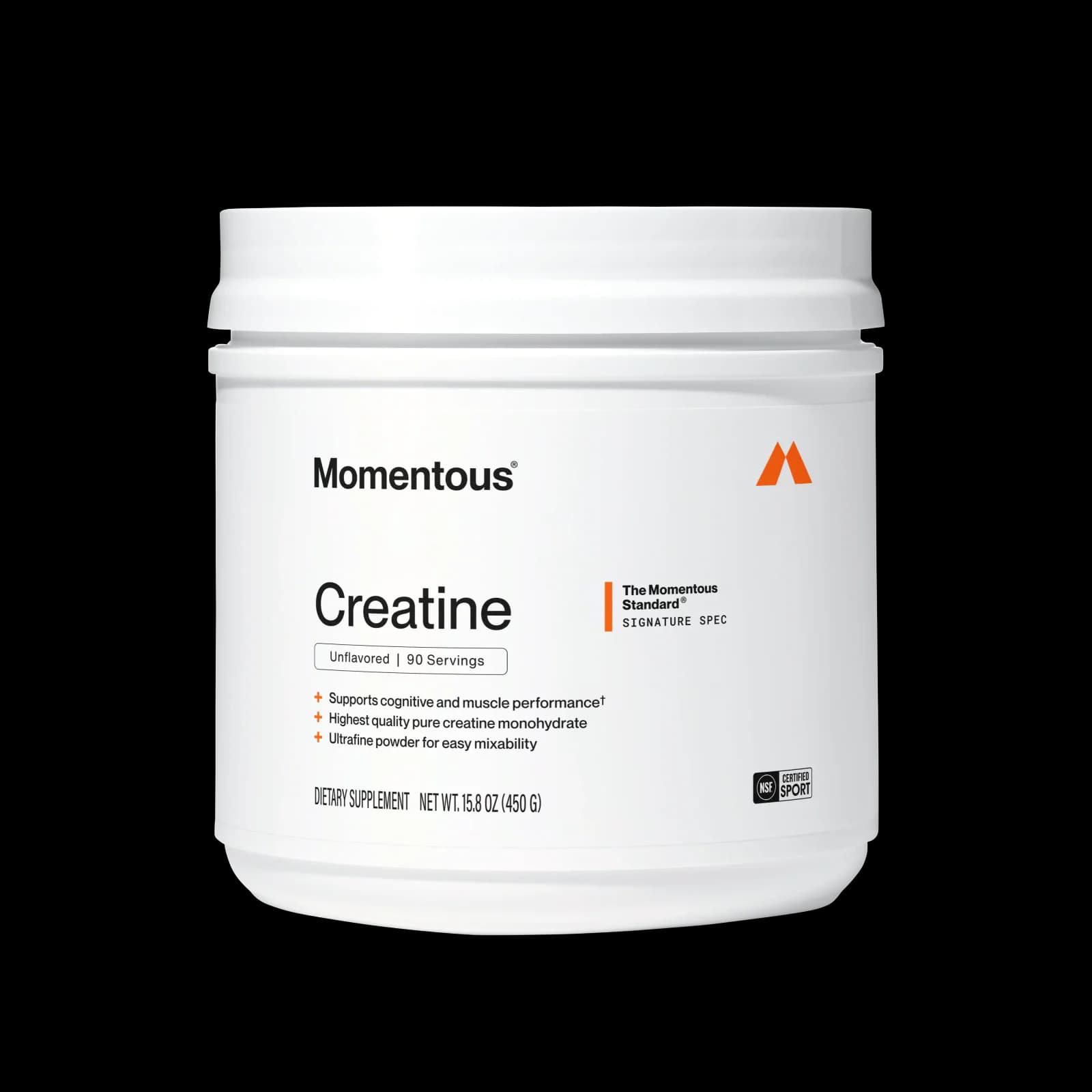
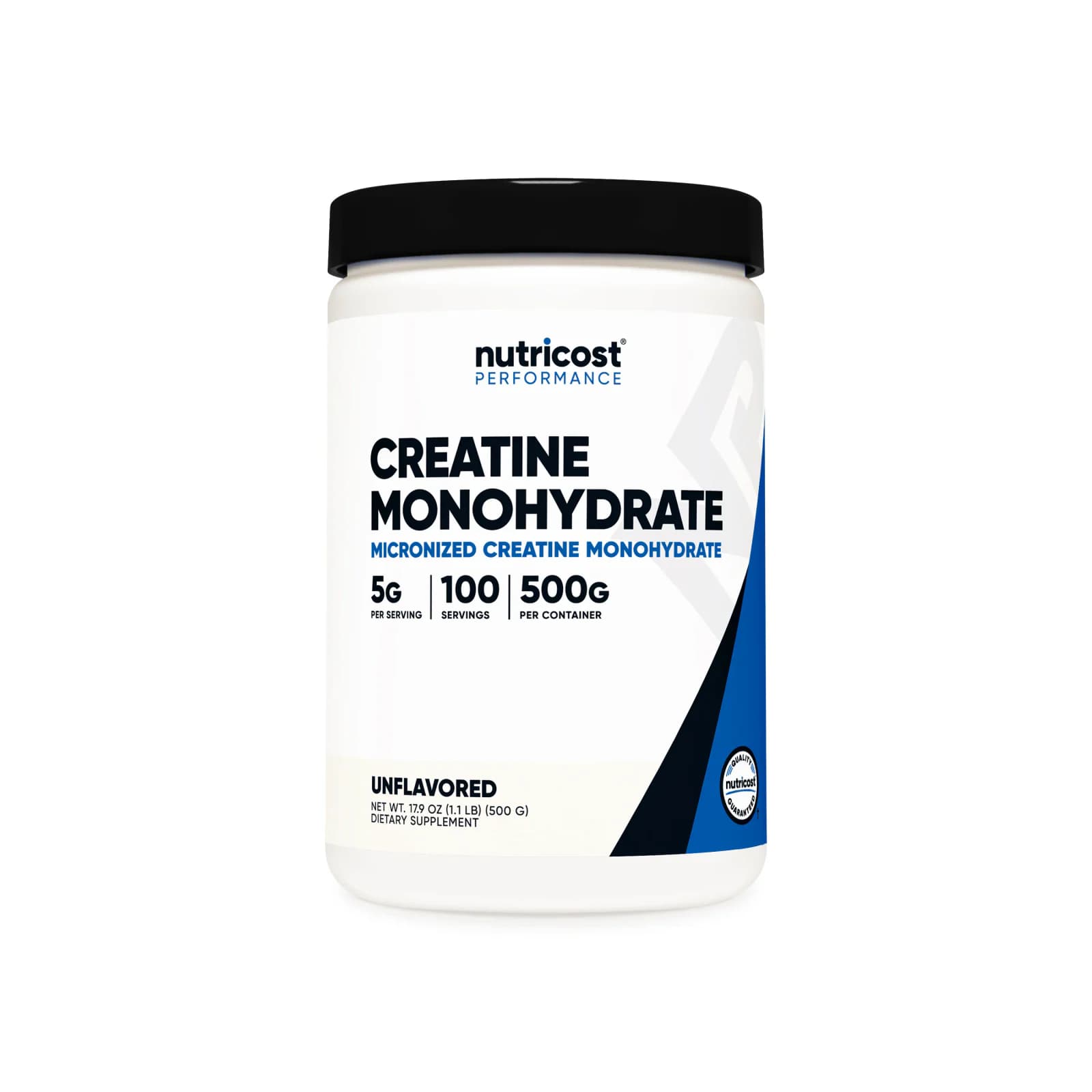
Creatine monohydrate increases the phosphocreatine stored in muscle over days to weeks. That boosts high-intensity capacity and, over time, training adaptations. The standard approach is 3–5 g a day, with or without a short loading phase [4]. Because the benefit comes from topped-up stores rather than a single dose, taking it consistently matters far more than taking it right before a workout. In top-selling pre-workouts, creatine appeared in only about half of products, at an average of 2.1 g [1]. That's below a standard daily dose, and you get none on days you skip your pre-workout. For most people, a separate daily scoop of plain creatine monohydrate is the more reliable option.
Beta-alanine: the tingle isn't the benefit
Beta-alanine raises muscle carnosine, a buffer that helps muscles tolerate acid build-up during hard efforts. The ISSN concluded that 4–6 g a day for at least 2–4 weeks improves performance, most clearly in all-out tasks lasting about 1–4 minutes [5]. The International Olympic Committee (IOC) describes the benefits as small but potentially meaningful, roughly 0.2–3% [7].
The well-known tingling, called paresthesia, is harmless. It tends to appear with single doses of at least 800 mg or more than 10 mg/kg, and usually fades within 60–90 minutes [10]. Splitting the daily amount into doses of about 1.6 g or less, or using a sustained-release form, reduces it [5]. The tingle tells you nothing about whether the ingredient is working. The performance effect depends on daily intake over weeks, and top sellers averaged just 2.0 g per serving, below the effective daily dose [1].
Citrulline: a modest "pump" ingredient
Citrulline is converted to arginine in the body, and it raises blood arginine more efficiently than taking arginine itself. The theory is more nitric oxide and better blood flow, although the NIH Office of Dietary Supplements calls the performance evidence limited and conflicting [10]. Meta-analyses find a small effect. Across 12 studies, citrulline produced a small benefit for strength and power, with an effect size of 0.20 [17]. Another analysis found that 6–8 g of citrulline malate taken 40–60 minutes before training increased repetitions to failure by about 3 reps, or 6.4% [6].
Check the form. Citrulline malate is about 57% citrulline by weight, so 8 g of citrulline malate provides roughly 4.5 g of citrulline. In one study, 6 of 41 participants reported stomach discomfort [10]. Arginine, another common "pump" ingredient, has shown little to no performance effect at 2–20 g a day [10].
Nitrates: an endurance ingredient in a strength-training product
Dietary nitrate, usually from beetroot juice, is converted to nitric oxide and can make exercise slightly more efficient. The IOC reports performance benefits 2–3 hours after 5–9 mmol (about 310–560 mg) of nitrate. Doubling a dose of 8.4 mmol to 16.8 mmol added no further benefit [7]. A meta-analysis of 80 studies found a small overall benefit (effect size 0.17), clearest in recreationally active young men. No benefit showed up in well-trained endurance athletes or in the few studies that enrolled only women [18].
Beetroot powders in supplements haven't been tested as substitutes for beetroot juice, and nitrate content varies considerably between products [10]. Unless a pre-workout states its nitrate content, you can't tell whether it comes near research doses. One harmless side effect of beetroot is pink or red urine [10].
Tyrosine and other label fillers
Tyrosine is a building block for the brain chemicals dopamine and noradrenaline. A review concluded that it may help thinking during short-term stress or heavy mental demands, but that its potential to improve physical exercise is minimal [19]. In a crossover trial, 150 mg/kg of tyrosine, about 10.5 g for a 70 kg person, had no measurable effect on endurance, muscle strength or anaerobic power [8]. Top-selling pre-workouts averaged 348 mg [1], a small fraction of that.
Branched-chain amino acids (BCAAs) are another common add-in. Studies haven't consistently shown that BCAA supplements improve performance, build muscle or speed recovery. You also get BCAAs automatically from protein-rich foods and protein powders [10].
Proprietary blends: why they're a red flag
U.S. rules let supplement makers group ingredients into a "proprietary blend." The label lists the blend's total weight and its ingredients in descending order by weight, without saying how much of each ingredient is inside [20]. In the top-100 analysis, 44% of all listed ingredients sat inside such blends [1]. That makes it impossible to compare a product with effective doses [2].
The math often gives the game away. A 7 g "performance matrix" can't hold 6–8 g of citrulline malate plus 4–6 g of beta-alanine. If a small blend lists ten ingredients, several of them must be present in tiny amounts.
How to choose a pre-workout
- Full disclosure: every ingredient listed with its amount, and no proprietary blends.
- Caffeine that fits you: start at about 3 mg/kg or less, and count coffee and energy drinks toward your daily total.
- Effective doses of what you're paying for: 6–8 g of citrulline malate if you want a pump ingredient. Beta-alanine should total 4–6 g a day, taken daily. Creatine should total 3–5 g a day, which is often easier to take separately.
- Third-party certification, such as NSF Certified for Sport or Informed Sport, especially if you're drug-tested. The IOC warns that supplements can contain undeclared prohibited substances. One early study found undeclared prohormones (steroid precursors) in about 15% of more than 600 products [7].
- Red-flag ingredients: skip anything listing DMAA, 1,3-DMAA, methylhexanamine, geranium extract, DMHA, octodrine or 2-aminoisoheptane [15][16].
- A stimulant-free option if you train late in the day or are sensitive to caffeine.
The bottom line
Caffeine at around 3 mg/kg, creatine taken daily and, for hard efforts of 1–4 minutes, daily beta-alanine have the strongest evidence. Citrulline and nitrates offer small, situational gains. Tyrosine, arginine, BCAAs and proprietary "matrix" blends add more cost than performance. Choose a transparent, third-party-tested product, respect caffeine limits and your sleep, and don't expect any scoop to replace good food, rest and a well-planned session.
This article is for general information and isn’t medical advice. Supplements can interact with medications and conditions — talk to a qualified healthcare professional before starting one. Medical disclaimer.
Frequently asked questions
Why does pre-workout make my skin tingle?
How long before a workout should I take pre-workout?
Is it safe to take pre-workout every day?
Can I take pre-workout while pregnant or breastfeeding?
Are stimulant-free pre-workouts worth it?
References
- [1]Common Ingredient Profiles of Multi-Ingredient Pre-Workout SupplementsNutrients (2019)
- [2]Multi-ingredient pre-workout supplements, safety implications, and performance outcomes: a brief reviewJournal of the International Society of Sports Nutrition (2018)
- [3]International society of sports nutrition position stand: caffeine and exercise performanceJournal of the International Society of Sports Nutrition (2021)
- [4]International Society of Sports Nutrition position stand: safety and efficacy of creatine supplementation in exercise, sport, and medicineJournal of the International Society of Sports Nutrition (2017)
- [5]International society of sports nutrition position stand: Beta-AlanineJournal of the International Society of Sports Nutrition (2015)
- [6]Acute Effect of Citrulline Malate on Repetition Performance During Strength Training: A Systematic Review and Meta-AnalysisInternational Journal of Sport Nutrition and Exercise Metabolism (2021)
- [7]IOC consensus statement: dietary supplements and the high-performance athleteBritish Journal of Sports Medicine (2018)
- [8]Ingestion of tyrosine: effects on endurance, muscle strength, and anaerobic performanceInternational Journal of Sport Nutrition and Exercise Metabolism (2005)
- [9]Wake up and smell the coffee: caffeine supplementation and exercise performance-an umbrella review of 21 published meta-analysesBritish Journal of Sports Medicine (2020)
- [10]Dietary Supplements for Exercise and Athletic Performance: Fact Sheet for Health ProfessionalsNIH Office of Dietary Supplements (updated 2024)
- [11]Caffeine (topic overview of EFSA's 2015 scientific opinion on the safety of caffeine)European Food Safety Authority
- [12]Spilling the Beans: How Much Caffeine Is Too Much?U.S. Food and Drug Administration (2024)
- [13]Caffeine effects on sleep taken 0, 3, or 6 hours before going to bedJournal of Clinical Sleep Medicine (2013)
- [14]Emergency Department Visits for Adverse Events Related to Dietary SupplementsNew England Journal of Medicine (2015)
- [15]DMAA in Products Marketed as Dietary SupplementsU.S. Food and Drug Administration
- [16]Four experimental stimulants found in sports and weight loss supplements: 2-amino-6-methylheptane (octodrine), 1,4-dimethylamylamine (1,4-DMAA), 1,3-dimethylamylamine (1,3-DMAA) and 1,3-dimethylbutylamine (1,3-DMBA)Clinical Toxicology (2018)
- [17]Acute Effects of Citrulline Supplementation on High-Intensity Strength and Power Performance: A Systematic Review and Meta-AnalysisSports Medicine (2019)
- [18]Ergogenic Effect of Nitrate Supplementation: A Systematic Review and Meta-analysisMedicine & Science in Sports & Exercise (2020)
- [19]Effect of tyrosine supplementation on clinical and healthy populations under stress or cognitive demands--A reviewJournal of Psychiatric Research (2015)
- [20]21 CFR 101.36 — Nutrition labeling of dietary supplements (proprietary blends, paragraph (c))U.S. Code of Federal Regulations (Cornell Legal Information Institute)