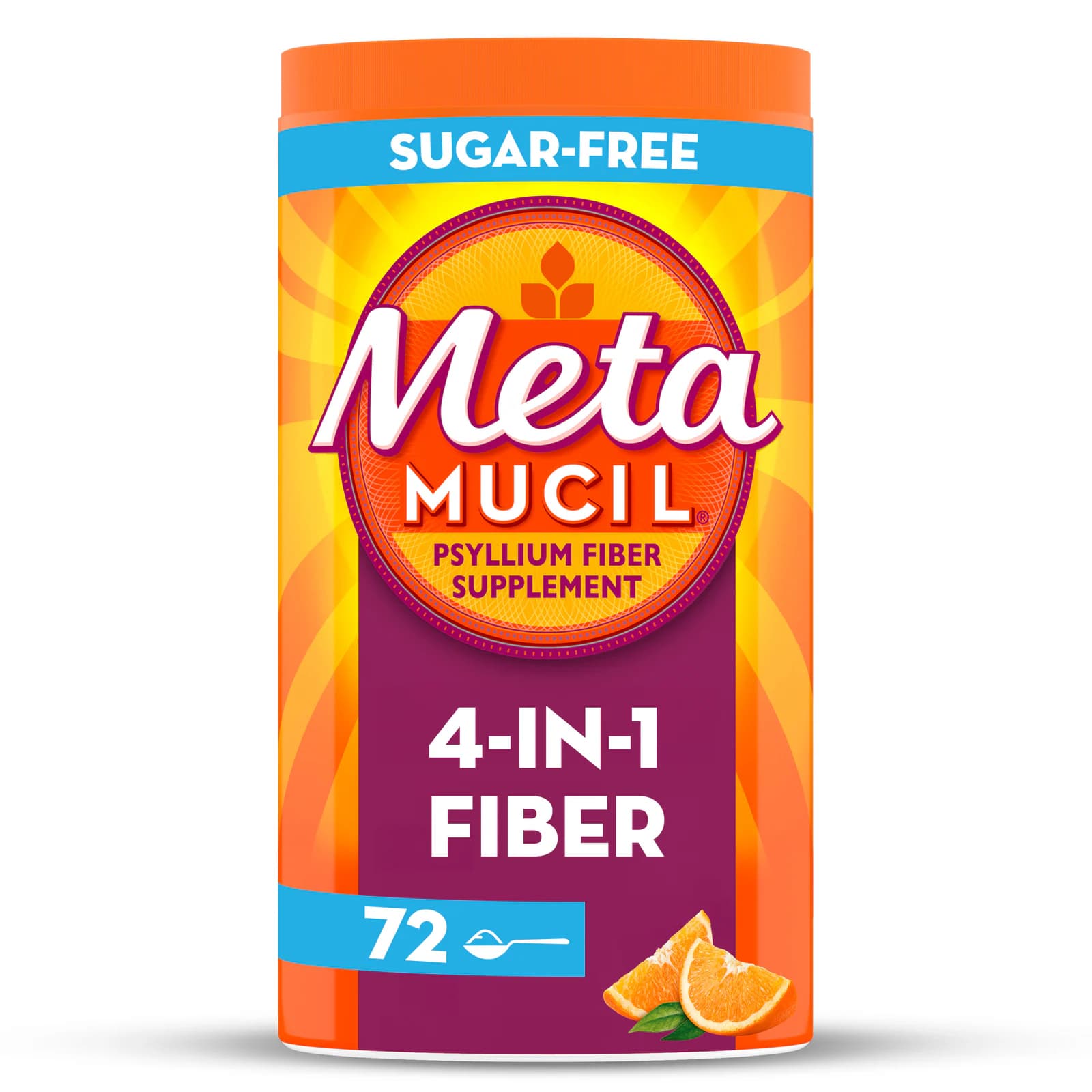
Best Overall
8.3Good
Classic psyllium fiber with some of the strongest evidence in the aisle for regularity and LDL cholesterol, at about 19 cents a teaspoon. Contains aspartame and dye.
3 videosGut Health & Probiotics

Social media's favorite debloat capsule: ginger plus a proprietary herb and bromelain blend. Clean and tested, but the evidence is thin and it costs about $1.70 a dose.
Poor
Nutrition Reviews score
Weighted across efficacy, quality, value, experience & transparency. See breakdown
We may earn a commission when you buy through these links — it never affects our scores. How we make money
Last reviewed September 29, 2026 by the Nutrition Reviews Editorial Team · How we review
Our verdict
Arrae Bloat is cleanly made and transparent about contaminant testing, but its 'debloat in under an hour' promise rests on weak, mostly indirect evidence and hidden doses. At nearly $2 a serving, it's hard to recommend over cheaper options with better data, such as enteric-coated peppermint oil or simply identifying your food triggers. Buy it only if you've tried it and it clearly works for you.
Best for
Skip it if
Our five-factor score out of 10. Factors are weighted by how much they matter to the outcome you’re paying for. Methodology
out of 10
Key ingredients at clinically studied doses, and how strong the evidence is.
Third-party testing and certifications, manufacturing standards, contaminant testing, recall history.
Cost per effective serving compared with category peers.
Taste, mixability, texture and tolerability from aggregated buyer and creator feedback.
Full label disclosure (no proprietary blends), available COAs, honest marketing.
Arrae Bloat is the product that put the brand on the map. Co-founders Siffat Haider and Nish Samantray launched it in 2020, and it became one of social media's most talked-about debloating supplements. Each two-capsule serving contains 220 mg of organic ginger extract plus a 1,080 mg proprietary blend of organic dandelion root, lemon balm, peppermint leaf, bromelain and slippery elm. Arrae says it works in under an hour and calls it a clinically studied formula, citing figures such as 77% of participants reporting improved digestive symptoms within one to two hours.
We couldn't find a published, placebo-controlled trial of the finished product, and the ingredient research on bloating is thin. Ginger's best evidence is for nausea; a placebo-controlled pilot trial in IBS found 1–2 g of ginger a day did no better than placebo. The peppermint here is leaf extract, not the enteric-coated peppermint oil with the strongest data for IBS-type symptoms. And because five of the six ingredients sit in a proprietary blend, you can't tell whether any of them is present at a studied dose.
On quality, Arrae says it has every batch tested by a third-party lab and posts a certificate of analysis. The current COA, from an ISO 17025-accredited lab, shows passing microbial results and low heavy-metal levels (lead at 0.401 ppm, roughly half a microgram per serving). The capsules are vegan and gluten-free and made with organic botanicals in cGMP facilities.
The bigger issue is cost: about $50–55 for 30 servings, or roughly $1.70–1.80 a dose. Reviews split sharply. Arrae's own site shows a 4.86-star average, while Amazon sits at 4.1 stars, and buyers describe mixed effectiveness, occasional stomach pain and poor value.
| Key ingredient | Per serving | Why it matters |
|---|---|---|
| Organic ginger extract (rhizome) Best studied for nausea. A pilot IBS trial of 1–2 g a day found no benefit over placebo. | 220 mg | Best studied for nausea. A pilot IBS trial of 1–2 g a day found no benefit over placebo. |
| Proprietary blend: organic dandelion root, lemon balm, peppermint leaf, bromelain, slippery elm Individual doses aren't disclosed. The peppermint is leaf extract rather than enteric-coated peppermint oil. | 1080 mg (total) | Individual doses aren't disclosed. The peppermint is leaf extract rather than enteric-coated peppermint oil. |
Supplement Facts
Serving Size 2 capsules
Testing & quality
Arrae says a third-party lab tests every production lot for heavy metals, microbial contaminants and potency, and it posts product COAs. It says products are made in cGMP-certified U.S. facilities. It holds no NSF or USP certification.
Goals it supports
Independent creators reviewing Bloat Capsules on TikTok and YouTube.
What we like
Watch-outs
Similar products, ranked by our score.
Classic psyllium fiber with some of the strongest evidence in the aisle for regularity and LDL cholesterol, at about 19 cents a teaspoon. Contains aspartame and dye.

Culturelle
One capsule of 10 billion CFU Lactobacillus rhamnosus GG plus 200 mg inulin, with potency guaranteed to expiration, for about 60 cents a day.

A 24-strain probiotic plus pomegranate prebiotic backed by its own 350-person trial on bloating and gas. Strong science, premium price.

Physician's Choice
Amazon's mega-seller: 60 billion CFU from 10 species plus prebiotic fiber, third-party tested and cheap. But it names no strains, so it can't be matched to research.
What's in greens powders, what the limited research shows, why blends and contaminant testing matter, how the cost compares with frozen vegetables, and who might benefit.
Nutrition Reviews Editorial Team · Sep 28, 2026
Probiotic benefits depend on the exact strain and dose. How to read strain names and CFU claims, where the evidence is solid or mixed, and who should skip them.
Nutrition Reviews Editorial Team · Sep 28, 2026
How creator commissions work, what TikTok and the FTC require, where counterfeit and contamination risks hide, and a 10-minute checklist before you tap 'buy'.
Nutrition Reviews Editorial Team · Sep 28, 2026