On this page
- What creatine does (and what it doesn't)
- How much creatine to take
- The water-retention myth
- Does creatine cause hair loss? The DHT study, explained
- Is creatine safe for your kidneys?
- Beyond the gym: brain, women and older adults
- Monohydrate vs. HCl, gummies and other forms
- How to choose a quality creatine product
- Safety and side effects
- The bottom line
Key takeaways
- Creatine monohydrate at 3–5 g a day fills muscle stores in about 3–4 weeks; loading (about 20 g a day for 5–7 days) just gets you there faster.
- Paired with training, creatine improves strength, power and lean mass. It does little for steady endurance events.
- Early weight gain of 1–2 kg is mostly water inside muscle cells, not under-the-skin bloat.
- The hair-loss fear rests on one small hormone study; a 2025 randomized trial found no effect on DHT or hair.
- In healthy people creatine hasn't harmed kidney function, but it can nudge blood creatinine up, so tell your clinician you take it.
- Plain monohydrate is the best-studied and cheapest form; HCl, buffered and gummy products haven't proven better.
Creatine monohydrate is a rare case where the research is both deep and consistent. Used alongside training, it reliably helps you do more work, get stronger and add lean mass. This guide covers how much to take for your body weight and whether loading is worth it. It also covers what the water-retention, hair-loss and kidney worries really rest on, where creatine may help beyond the gym, and why plain monohydrate still beats the pricier forms.
What creatine does (and what it doesn't)
Your body already makes and uses creatine. The liver and kidneys produce about 1 g a day, and animal foods supply more; beef and salmon contain roughly 2 g per pound [1]. Nearly all of the body's creatine sits in muscle, partly as phosphocreatine, a rapid-access energy reserve for short, hard efforts [1].
A typical omnivorous diet, which provides 1–2 g of creatine a day, leaves muscle stores only about 60–80% full. Supplementing tops them up, raising muscle creatine and phosphocreatine by roughly 20–40% [2]. That extra reserve lets you do a little more work in repeated high-intensity efforts: another rep or two per set, a faster repeat sprint. Over weeks of training, the extra work adds up to more strength and lean mass [2]. A meta-analysis of 53 placebo-controlled trials found that creatine improved upper-body strength, with a small but consistent effect (an effect size of about 0.3) [3].
What creatine won't do is help much in steady endurance events like distance running or swimming. Those rely mainly on aerobic energy pathways, and the extra body weight can even be a drawback [1].
Bottom line: Creatine amplifies training; it isn't a stimulant. You won't "feel" it work. You'll see it in your training log over weeks.
How much creatine to take
Loading vs. no loading
There are two proven ways to fill your muscles:
- Loading: about 20 g a day, split into four 5 g doses, for 5–7 days, followed by 3–5 g a day to maintain [1][2].
- No loading: 3–5 g a day from the start.
Both approaches end in the same place. In a classic muscle-biopsy study, 20 g a day for 6 days and 3 g a day for 28 days each raised muscle creatine by about 20% [4]. Loading simply gets you there in a week instead of about a month [5]. It's worth considering if a competition or testing block is coming up soon. Otherwise the daily dose is simpler and avoids the quick jump on the scale. If you do load, keep each serving to 10 g or less, because larger single doses can cause stomach upset or diarrhea [5].
Dose by body weight
Most adults do well on a flat 3–5 g a day. Research protocols often scale doses to body weight instead: about 0.3 g/kg a day for loading and around 0.1 g/kg a day as a daily dose. The International Society of Sports Nutrition (ISSN) notes that larger athletes may need 5–10 g a day to keep stores full [2][5].
| Body weight | Loading phase (0.3 g/kg/day for 5–7 days, split into 3–4 doses) | Daily dose at ~0.1 g/kg (upper end of the usual range) |
|---|---|---|
| 50 kg (110 lb) | 15 g | 5 g |
| 60 kg (132 lb) | 18 g | 6 g |
| 70 kg (154 lb) | 21 g | 7 g |
| 80 kg (176 lb) | 24 g | 8 g |
| 90 kg (198 lb) | 27 g | 9 g |
| 100 kg (220 lb) | 30 g | 10 g |
Pro tip: Consistency matters more than precision. For most people, a daily 5 g scoop with a meal is a fully evidence-based plan.
Does timing matter?
Not much. A 2021 review found hints that taking creatine after training beats taking it before, but concluded that the studies' limitations rule out firm conclusions [6]. Taking it with a meal that contains carbohydrate and protein may improve how much creatine you retain [2]. In practice, take it at the same time every day, rest days included, so you don't forget.
The water-retention myth
Creatine does draw water into muscle cells. A loading phase typically adds 1–3 kg of body weight in the first week, mostly water [5]. Over the longer term the picture changes. Several training studies lasting 5–10 weeks found no increase in total body water. Where increases did appear, they were mostly inside muscle cells, and the ratio of muscle mass to intracellular water stayed the same [5]. That is fuller muscle, not the puffy, under-the-skin look people worry about. Cell hydration is also thought to be one of the signals for muscle growth [5]. Expect roughly 1–2 kg of scale weight over the first month of strength training with creatine [1], and less if you skip loading.
Does creatine cause hair loss? The DHT study, explained
The hair-loss worry traces back to one 2009 study. In a placebo-controlled crossover trial, 20 college rugby players took creatine (25 g a day for 7 days, then 5 g a day for 14 days). Dihydrotestosterone (DHT), a testosterone derivative linked to male-pattern hair loss, rose 56% after loading and stayed 40% above baseline. Testosterone itself didn't change [7].
Three things put that finding in context:
- No one's hair was measured. The study tracked blood hormones only.
- The numbers look smaller up close. DHT stayed within normal clinical limits, and the creatine group started out with lower DHT than the placebo group. The result has never been replicated, and about a dozen other studies found no meaningful rise in testosterone or free testosterone [5].
- The first direct test was reassuring. In a 2025 randomized trial, 38 resistance-trained men took 5 g of creatine or a placebo daily for 12 weeks. The groups showed no differences in DHT, the DHT-to-testosterone ratio, hair density, follicle counts or hair thickness [8].
That trial was small and short, so it can't rule out an effect in every genetically predisposed person. But the evidence no longer supports the claim that creatine causes baldness.
Is creatine safe for your kidneys?
For healthy people, the evidence is reassuring. Much of the worry comes from confusing creatine with creatinine, the waste product that blood tests use as a stand-in for kidney function. Creatine supplements, like meat, can raise blood creatinine without any real change in kidney filtration. That can make a standard eGFR estimate look worse than your kidney function actually is [5]. In one training study, serum creatinine rose by 0.1–0.2 mg/dL with creatine but stayed within normal values for active people [9].
When kidney function is measured directly, harm doesn't show up. Athletes who had taken creatine for 10 months to 5 years had normal filtration and glomerular function [10]. The ISSN reports that intakes of up to 30 g a day for up to 5 years have been well tolerated by healthy people and several patient groups [2]. The case reports behind the fear involved complicating factors: existing kidney disease, medications, other supplements, anabolic steroids or grossly excessive doses [5].
Safety note: If you have kidney disease or reduced kidney function, or take medications that affect the kidneys, talk with your clinician before starting creatine [2]. If you already take it, mention it before blood work so a small rise in creatinine isn't misread.
Beyond the gym: brain, women and older adults
Memory and cognition
The brain uses creatine too, and researchers have tested whether supplements help memory. A 2023 meta-analysis of randomized trials found a small overall improvement in memory. The benefit was concentrated in adults aged 66–76, with little effect in younger people [11]. A 2024 meta-analysis of 16 trials found improvements in memory, attention and processing speed, but not in overall cognition or executive function. Its authors rated the certainty of the memory evidence as moderate and the rest as low [12]. The research is promising but not proven, and it's no reason to take megadoses.
Women
Early creatine research mostly enrolled men, but that has changed. A 2021 review covering women across the lifespan concluded that creatine appears to improve strength and exercise performance before menopause. After menopause, it may benefit muscle size and function, and bone health when combined with resistance training [13]. An ISSN expert review reached a similar conclusion: creatine offers a range of benefits for women across the lifespan [5].
Older adults
Age-related loss of muscle and strength may be where creatine matters most. Across 22 randomized trials in adults with average ages of 57–70, adding creatine to resistance training produced about 1.4 kg more lean mass than training alone. It also produced greater gains in chest-press and leg-press strength [14]. Most of the benefit appears when creatine is paired with resistance exercise [5].
Vegetarians and vegans
Because creatine comes mainly from meat and fish, vegetarians tend to have lower muscle stores and may respond more to supplements [1]. Creatine monohydrate is produced by chemical synthesis rather than from animal tissue [5], so the powder itself suits plant-based diets. If you buy capsules, check them for gelatin.
Monohydrate vs. HCl, gummies and other forms
Supplement shelves also carry creatine hydrochloride (HCl), buffered creatine, creatine ethyl ester, liquids and gummies, usually at higher prices. Here's how they compare.
| Form | Creatine by weight | What the evidence shows |
|---|---|---|
| Monohydrate (including micronized) | ~88% | The benchmark for efficacy and safety. Micronizing makes the powder finer, which helps it mix, but it isn't absorbed better [15] |
| Hydrochloride (HCl) | ~78% | Dissolves more easily; no consistent advantage for muscle or strength (see below) [15] |
| Buffered ("pH-corrected") | Varies | In a head-to-head trial, no greater muscle uptake, strength gain or tolerability than monohydrate [9] |
| Ethyl ester | ~82% | No advantage over monohydrate; in one trial it raised blood creatine less and creatinine more [15] |
| Gummies and liquids | Varies | Creatine breaks down in water over time, and several gummy brands have failed label-claim testing [5][16] |
Creatine HCl is the most heavily marketed alternative. It dissolves more easily, but how well creatine dissolves doesn't affect how much reaches your muscles [5]. As of 2022, no PubMed-indexed studies had shown better muscle creatine retention or performance than monohydrate. Nor was there evidence that the small doses often recommended for HCl work as well as standard monohydrate dosing [15]. Since then, an 8-week trial found HCl produced gains similar to monohydrate with no added benefit [17]. A small 4-week study in soccer players reported slightly better sprint and jump gains with HCl and ethyl ester. Its authors call the findings preliminary, because they didn't measure muscle creatine [18].
Gummies are convenient, but creatine isn't stable in water. It slowly converts to creatinine, especially in warm or acidic conditions, which is why stable creatine drinks have proved so hard to make [5]. In testing a supplement manufacturer reported in 2024, 6 of 12 creatine gummy brands bought online failed to meet their label claim. Some showed signs that the creatine had turned into creatinine, and one brand disputed the results. Claimed doses ranged from 250 to 1,700 mg per gummy, so a 5 g dose can take several [16]. Gummies can work when the creatine is actually there. In a 2026 trial, 5 g a day of creatine gummies improved jump height and change-of-direction speed in female volleyball players [19]. What you need is independent proof of content.
Price matters too. In a 2022 analysis of 175 creatine products sold on Amazon, monohydrate-only products averaged $0.12 per gram versus $0.26 for other forms. About 88% of the alternative-form products had limited or no evidence for their bioavailability, efficacy and safety [20].
How to choose a quality creatine product
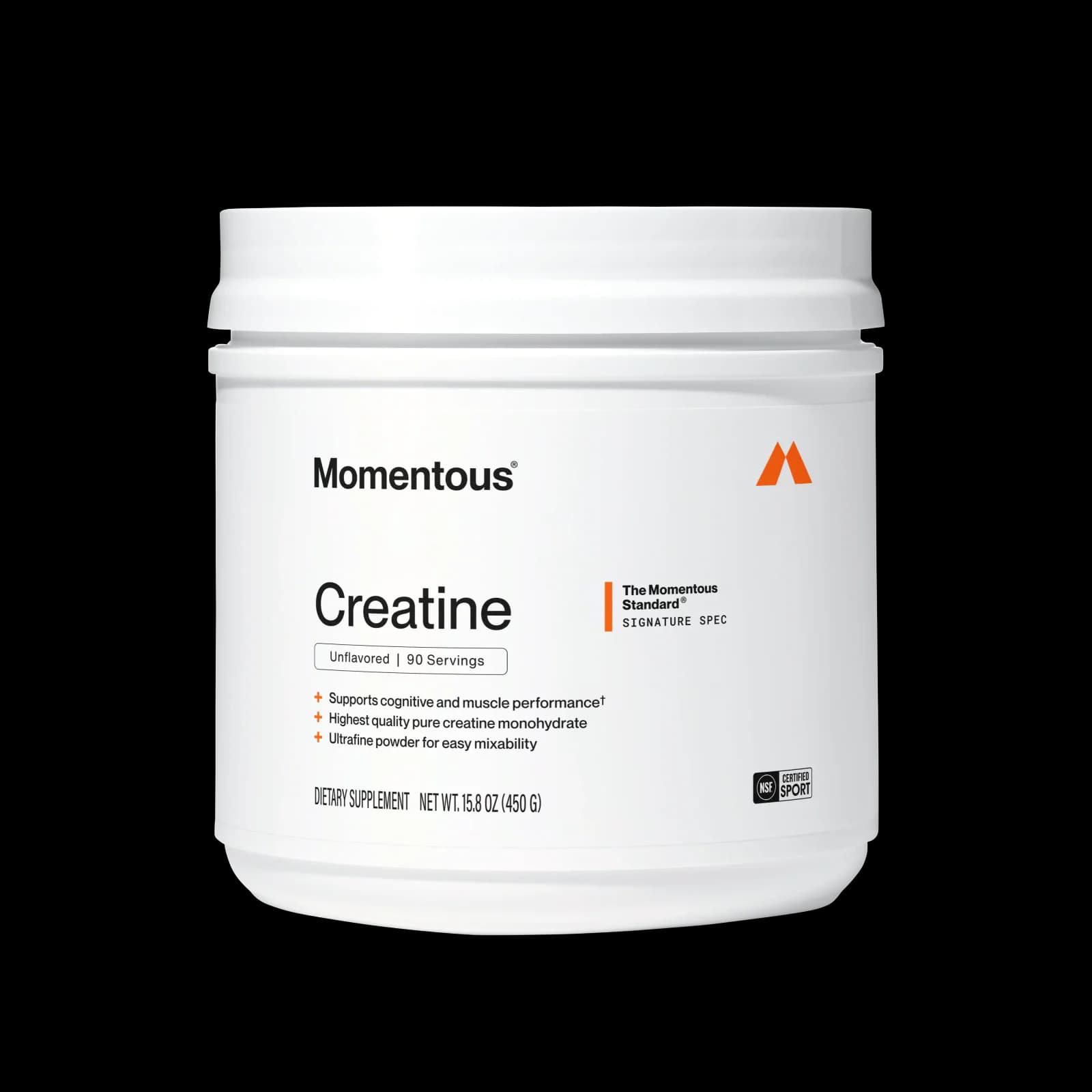
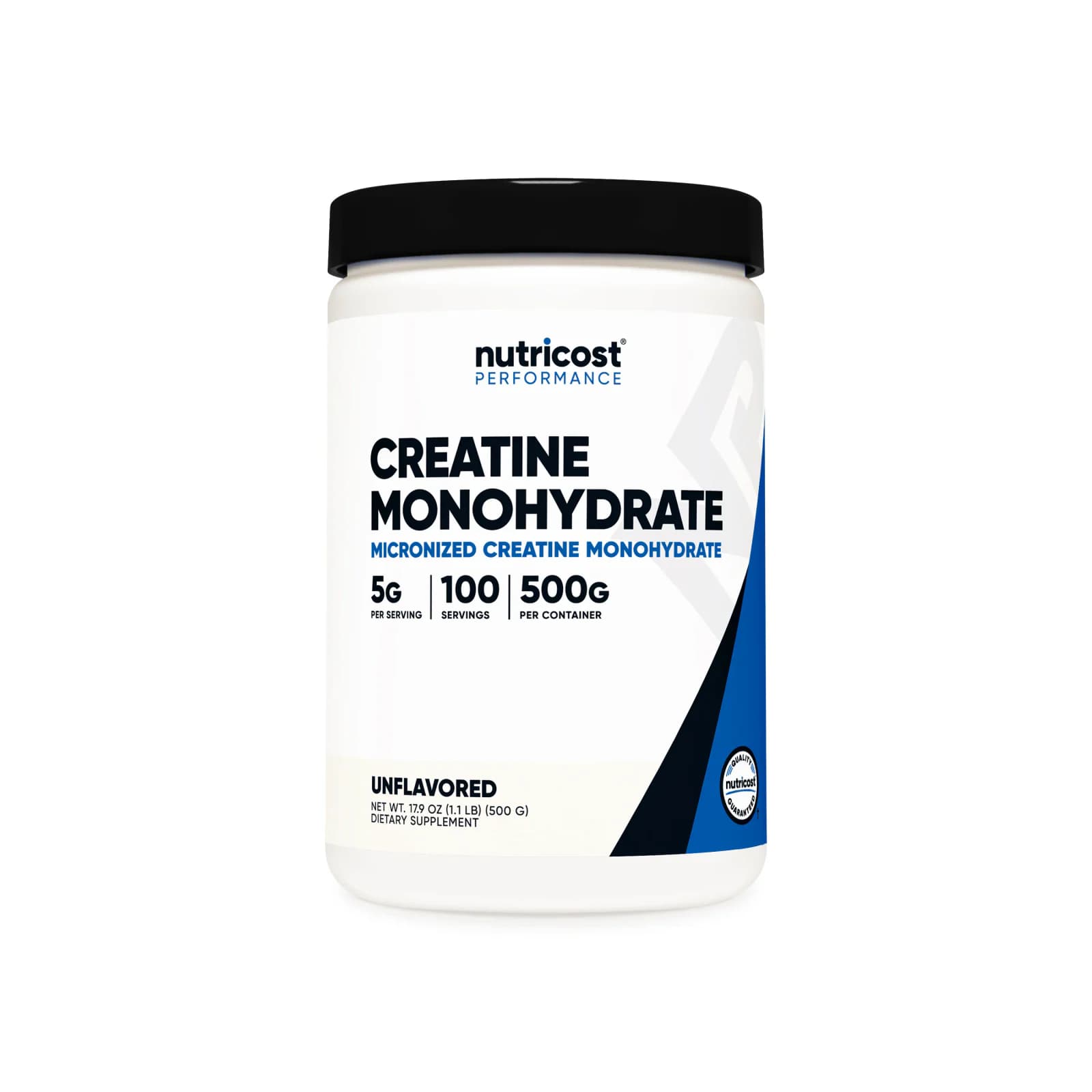
- Look for "creatine monohydrate" as the only ingredient. Unflavored powder is the simplest option, and micronized is fine.
- Check the dose: each serving should provide 3–5 g of creatine monohydrate. Blends and multi-ingredient products often contain less.
- Do the math: divide the price by the total grams of creatine in the container, then compare products on that number.
- Prefer third-party certification, such as NSF Certified for Sport or Informed Sport. In the 2022 Amazon analysis, only 8% of creatine products were third-party certified [20].
- Consider the raw-material source. Some creatine made with different chemical precursors has been found to contain contaminants such as dicyandiamide and dihydrotriazine [5]. It's reasonable to favor brands that disclose their raw-material source and test for contaminants.
- Skip the red flags: "creatine matrix" blends without amounts, claims that a special form is many times more bioavailable, and creatine serums or drinks that provide only milligram amounts [5].
Safety and side effects
Creatine monohydrate has one of the strongest safety records of any supplement [2]. The most common effects are water-related weight gain and, with large single doses, stomach upset [1][5]. Controlled studies don't show that it causes dehydration or cramping. In one season-long study of college football players training in hot, humid conditions, creatine users had fewer cramps, heat illnesses and muscle strains than non-users [5].
Check with a healthcare professional before starting if you:
- have kidney disease or reduced kidney function, or take medications that affect the kidneys;
- are pregnant or breastfeeding;
- are under 18. The limited research suggests creatine appears safe for adolescents [5], but training, sleep and food come first.
The bottom line
Creatine monohydrate is inexpensive, extensively studied and effective for strength, power and lean mass, especially alongside resistance training. Take 3–5 g daily, or up to about 0.1 g/kg if you're large. Load only if you want faster results, and skip the premium forms. For healthy people, the hair and kidney fears don't hold up. Emerging research on memory and healthy aging makes creatine one of the few supplements worth considering well beyond the weight room.
This article is for general information and isn’t medical advice. Supplements can interact with medications and conditions — talk to a qualified healthcare professional before starting one. Medical disclaimer.
Frequently asked questions
Do I need to cycle off creatine?
Will creatine make me look bloated?
Can I mix creatine into coffee or a protein shake?
Is creatine a steroid?
Should teenagers take creatine?
References
- [1]Dietary Supplements for Exercise and Athletic Performance: Fact Sheet for Health ProfessionalsNIH Office of Dietary Supplements (updated 2024)
- [2]International Society of Sports Nutrition position stand: safety and efficacy of creatine supplementation in exercise, sport, and medicineJournal of the International Society of Sports Nutrition (2017)
- [3]Creatine Supplementation and Upper Limb Strength Performance: A Systematic Review and Meta-AnalysisSports Medicine (2017)
- [4]Muscle creatine loading in menJournal of Applied Physiology (1996)
- [5]Common questions and misconceptions about creatine supplementation: what does the scientific evidence really show?Journal of the International Society of Sports Nutrition (2021)
- [6]Timing of Creatine Supplementation around Exercise: A Real Concern?Nutrients (2021)
- [7]Three weeks of creatine monohydrate supplementation affects dihydrotestosterone to testosterone ratio in college-aged rugby playersClinical Journal of Sport Medicine (2009)
- [8]Does creatine cause hair loss? A 12-week randomized controlled trialJournal of the International Society of Sports Nutrition (2025)
- [9]A buffered form of creatine does not promote greater changes in muscle creatine content, body composition, or training adaptations than creatine monohydrateJournal of the International Society of Sports Nutrition (2012)
- [10]Long-term oral creatine supplementation does not impair renal function in healthy athletesMedicine & Science in Sports & Exercise (1999)
- [11]Effects of creatine supplementation on memory in healthy individuals: a systematic review and meta-analysis of randomized controlled trialsNutrition Reviews (2023)
- [12]The effects of creatine supplementation on cognitive function in adults: a systematic review and meta-analysisFrontiers in Nutrition (2024)
- [13]Creatine Supplementation in Women's Health: A Lifespan PerspectiveNutrients (2021)
- [14]Effect of creatine supplementation during resistance training on lean tissue mass and muscular strength in older adults: a meta-analysisOpen Access Journal of Sports Medicine (2017)
- [15]Bioavailability, Efficacy, Safety, and Regulatory Status of Creatine and Related Compounds: A Critical ReviewNutrients (2022)
- [16]NOW Reports Widespread Failings in Creatine Gummy TestsNutraceuticals World (2024)
- [17]Supplementing With Which Form of Creatine (Hydrochloride or Monohydrate) Alongside Resistance Training Can Have More Impacts on Anabolic/Catabolic Hormones, Strength and Body Composition?Physiological Research (2024)
- [18]Creatine formulations and repeated sprint training: effects on physical and physiological adaptations in soccer players during the short-term preparation phaseJournal of the International Society of Sports Nutrition (2026)
- [19]Effects of Creatine Monohydrate Gummies on Performance and Body Composition in Female Beach Volleyball AthletesJournal of Functional Morphology and Kinesiology (2026)
- [20]Analysis of the efficacy, safety, and cost of alternative forms of creatine available for purchase on Amazon.com: are label claims supported by science?Heliyon (2022)