Head to head · Gut Health & Probiotics
Physician's Choice Digestive Enzymes vs Ritual Synbiotic+
Ritual scores higher overall (7.0 vs 5.7 out of 10), mainly on efficacy, quality & purity and transparency. Physician's Choice still leads on value.
Updated October 2026 from our full reviews · How we score
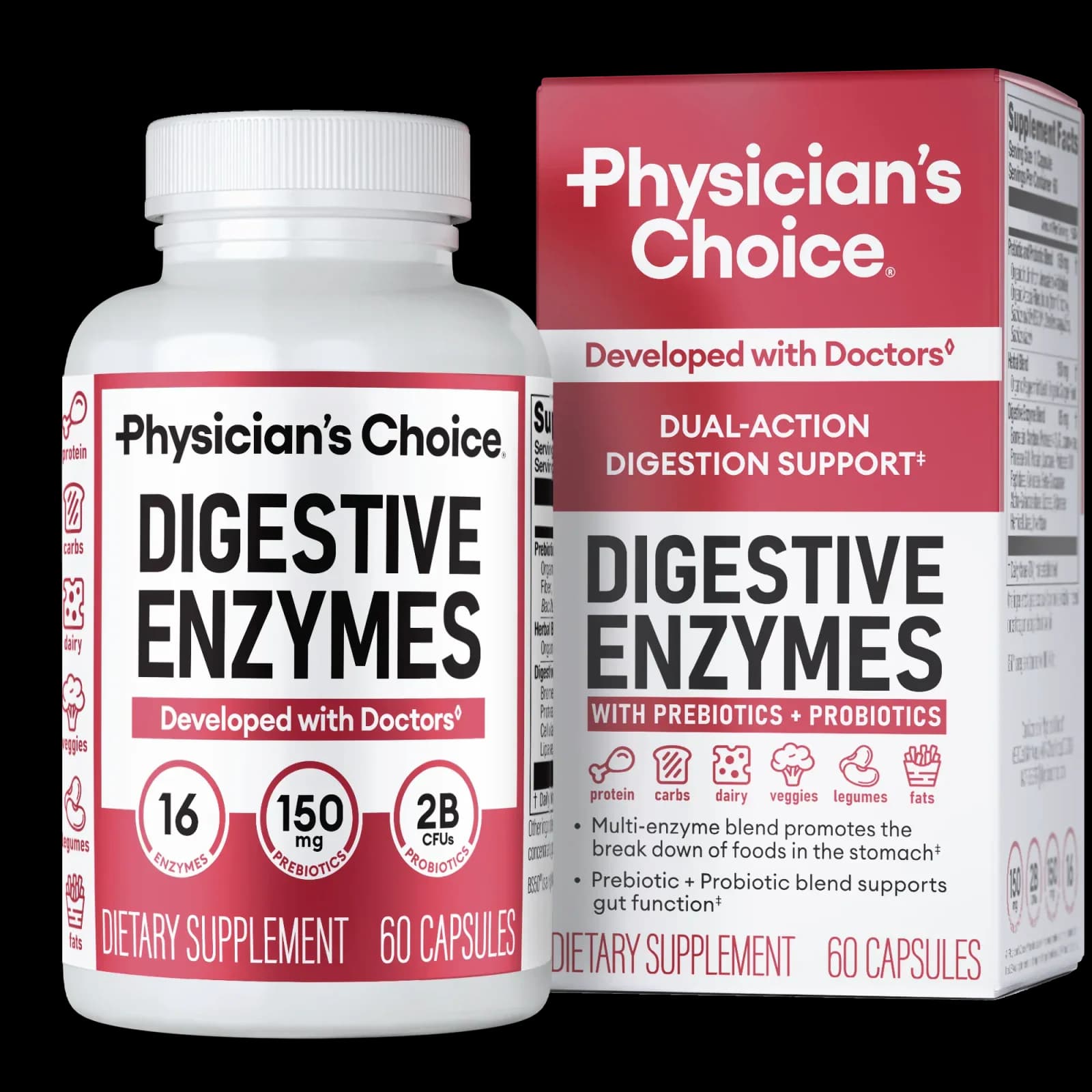
A viral one-a-day blend of 16 enzymes and spore probiotics, but its three proprietary blends list no enzyme activity units, so potency can't be judged.
We may earn a commission when you buy through these links — it never affects our scores. How we make money
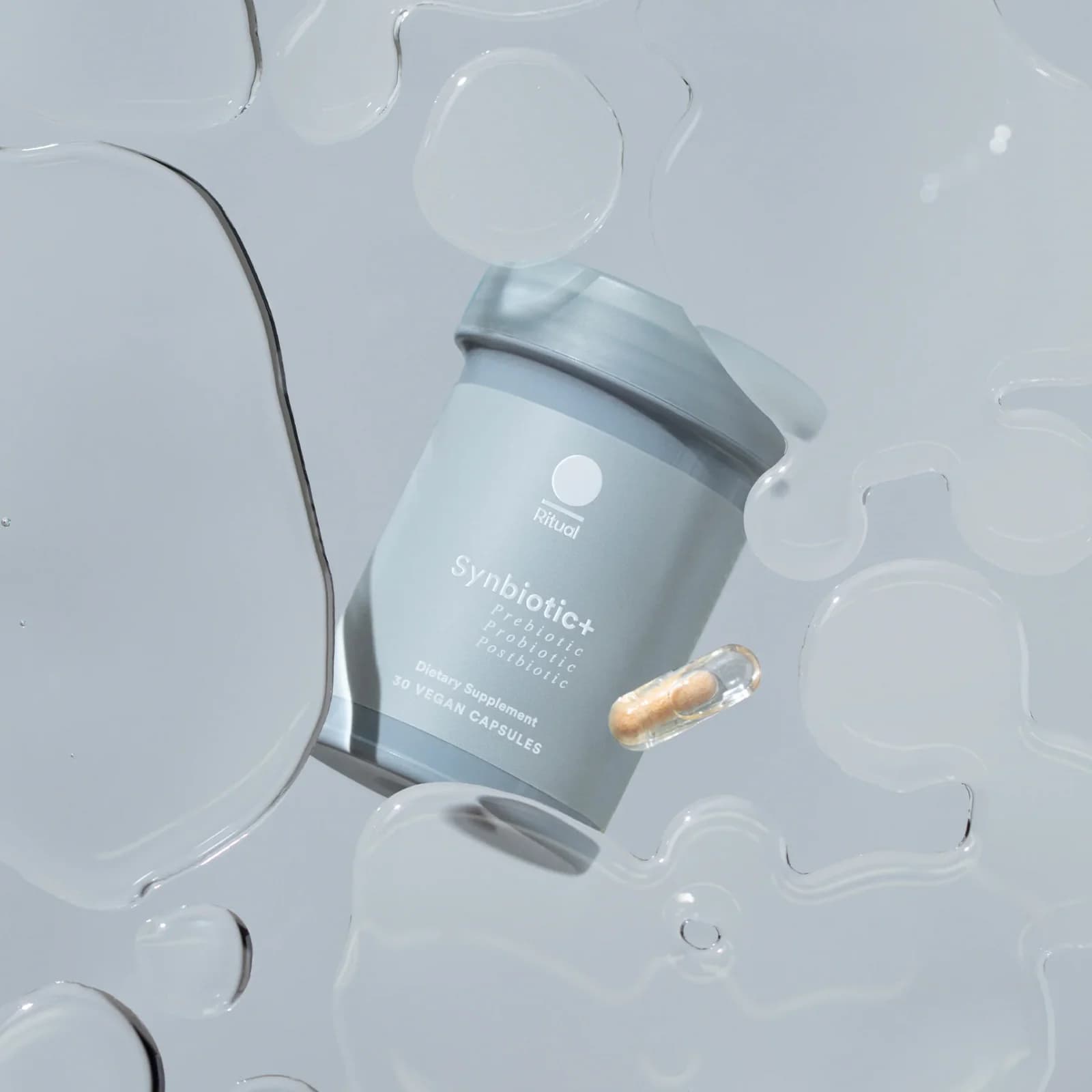
Two of the best-studied probiotic strains (LGG, BB-12) at 11B CFU guaranteed to expiration, plus a phage prebiotic and tributyrin. Top testing, premium price.
We may earn a commission when you buy through these links — it never affects our scores. How we make money
We may earn a commission when you buy through these links — it never affects our scores. How we make money
The short answer
Choose Physician's Choice if…
- Budget shoppers who want to try a broad enzyme blend with meals
- People who have already found it helps after heavy meals
- Anyone who prefers a simple one-capsule routine
- You care most about value
Choose Ritual if…
- Shoppers who prioritize testing and traceability
- People who want clinically studied strains (LGG, BB-12)
- Vegan and allergen-conscious users
- You care most about efficacy, quality & purity, transparency
Side by side
| Digestive Enzymes | Synbiotic+ | |
|---|---|---|
| Our score | 5.7 / 10 | 7.0 / 10 |
| Efficacy (30%) | 4.2 | 7.0 |
| Quality & Purity (25%) | 6.8 | 8.3 |
| Value (20%) | 6.8 | 5.5 |
| Experience (15%) | 7.1 | 7.2 |
| Transparency (10%) | 3.5 | 6.0 |
| Form | Capsule | Capsule |
| Serving | 1 Capsule60 servings per container | 1 capsule30 servings per container |
| Price per serving | $0.40 | See retailer |
| Testing & certifications | Third-party testedcGMP facility | Third-party testedNon-GMO Project VerifiedClean Label Project |
| Dietary | Vegan, Vegetarian, Dairy-free, Soy-free, Non-GMO | Vegan, Vegetarian, Gluten-free, Non-GMO |
| Key ingredients |
|
|
| Flavors | — | 1 (Mint) |
| Creator video reviews | 5 | 3 |
Pros and cons
Digestive Enzymes
- About 40 cents a day for the 60-count bottle, less with larger sizes or a subscription
- Includes Bacillus subtilis BS50, a branded strain with a published human trial on gas-related symptoms
- Covers enzymes for protein, starch, fat, dairy sugar and bean sugars in one vegan capsule
- Buyers frequently report less post-meal heaviness and find the capsule easy to swallow
- Brand states lot testing at ISO 17025-accredited labs and cGMP manufacturing
- Three proprietary blends with no enzyme activity units, so potency can't be compared or verified
- The 2 billion CFU claim appears only on the front label, and two of the three strains lack strain designations
- Prebiotic and herbal amounts are tiny, and one capsule covers only one meal
- Some buyers report diarrhea or no clear benefit, and no certificates of analysis are published
Synbiotic+
- LGG and BB-12 are among the most studied probiotic strains
- 11 billion CFU guaranteed at the expiration date
- Every lot is third-party tested, suppliers are disclosed, and it's Non-GMO Project Verified with a Clean Label Project Purity Award
- One delayed-release vegan capsule a day
- About $1.80–2.00 a day
- The PreforPro prebiotic and tributyrin postbiotic have limited human evidence
- The split between the two strains in the 40 mg probiotic blend isn't disclosed
- Some buyers report nausea or heartburn, or dislike the mint scent
Our verdicts
Digestive Enzymes
This is an inexpensive, easy one-capsule habit that many buyers like, and the BS50 probiotic strain has some research behind it. But three proprietary blends, no enzyme activity units and a CFU count printed only on the front make it impossible to tell whether any ingredient is present at a meaningful dose. If dairy or beans are your trigger, a dosed lactase or alpha-galactosidase product is the more targeted buy, and bloating that persists deserves a medical evaluation.
Full review
Synbiotic+
Synbiotic+ pairs two of the best-researched probiotic strains with a potency guarantee through expiration and top-tier testing transparency. The extras you pay for, the phage prebiotic and tributyrin, have limited human evidence, and the finished formula hasn't been tested in people. It's a solid premium pick if you value traceability; budget shoppers can get LGG alone for a fraction of the price.
Full review
What creators say
Questions people ask
Is Physician's Choice better than Ritual?
Who should choose Physician's Choice over Ritual?
More gut health & probiotics comparisons
4-in-1 Psyllium Fiber Powder, Sugar-Free vs DS-01 Daily Synbiotic
Digestive Daily Probiotic Capsules vs 4-in-1 Psyllium Fiber Powder, Sugar-Free
4-in-1 Psyllium Fiber Powder, Sugar-Free vs Digestive Enzymes
Digestive Daily Probiotic Capsules vs DS-01 Daily Synbiotic
Digestive Enzymes vs DS-01 Daily Synbiotic
Digestive Daily Probiotic Capsules vs Digestive Enzymes
See all gut health & probiotics, ranked