Best Overall
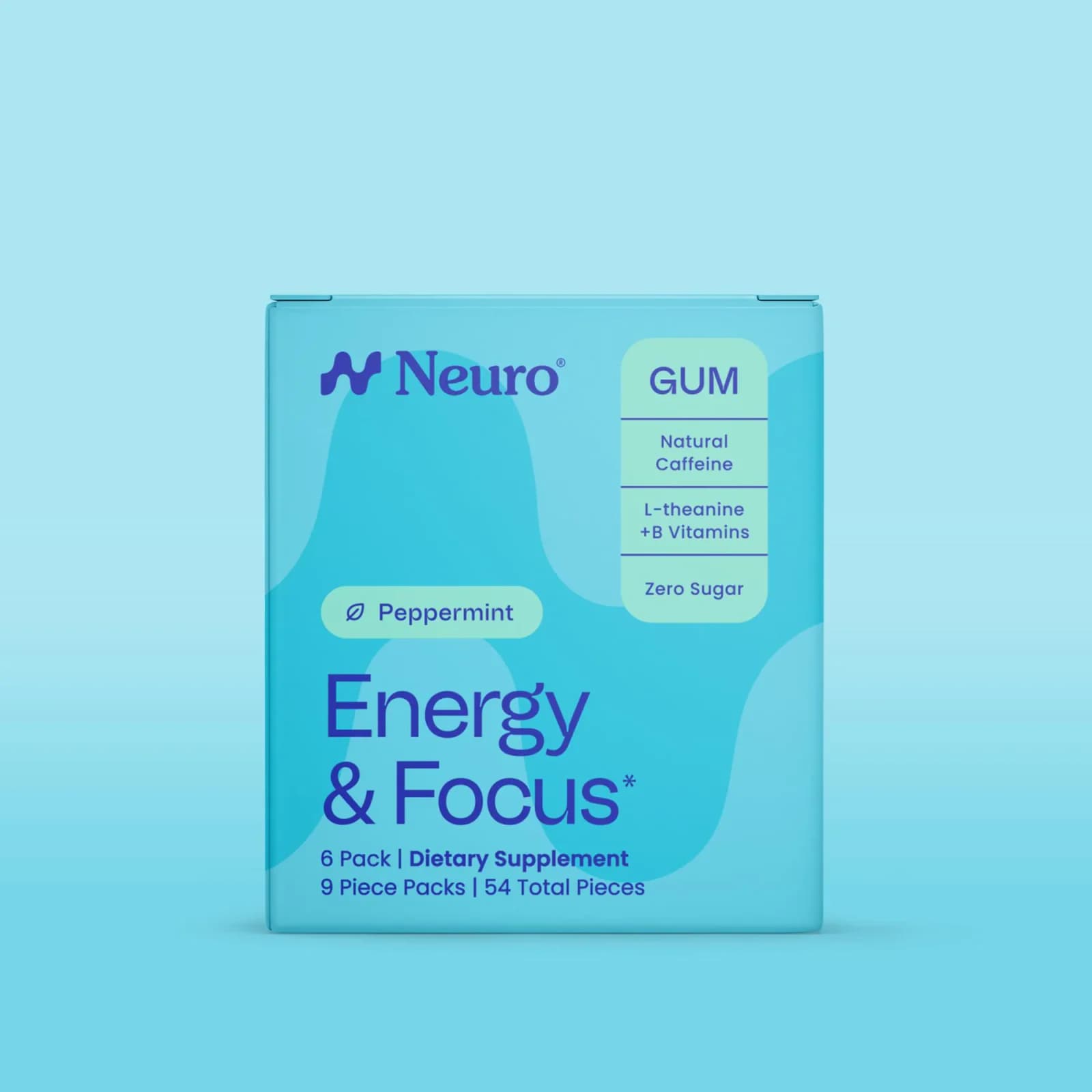
NeuroGum
Energy & Focus Gum
7.2Mixed
Portable, sugar-free caffeine gum with a fully disclosed, research-backed pairing: 40 mg of caffeine plus 60 mg of L-theanine in every piece.
4 videos Shop$0.46/serving
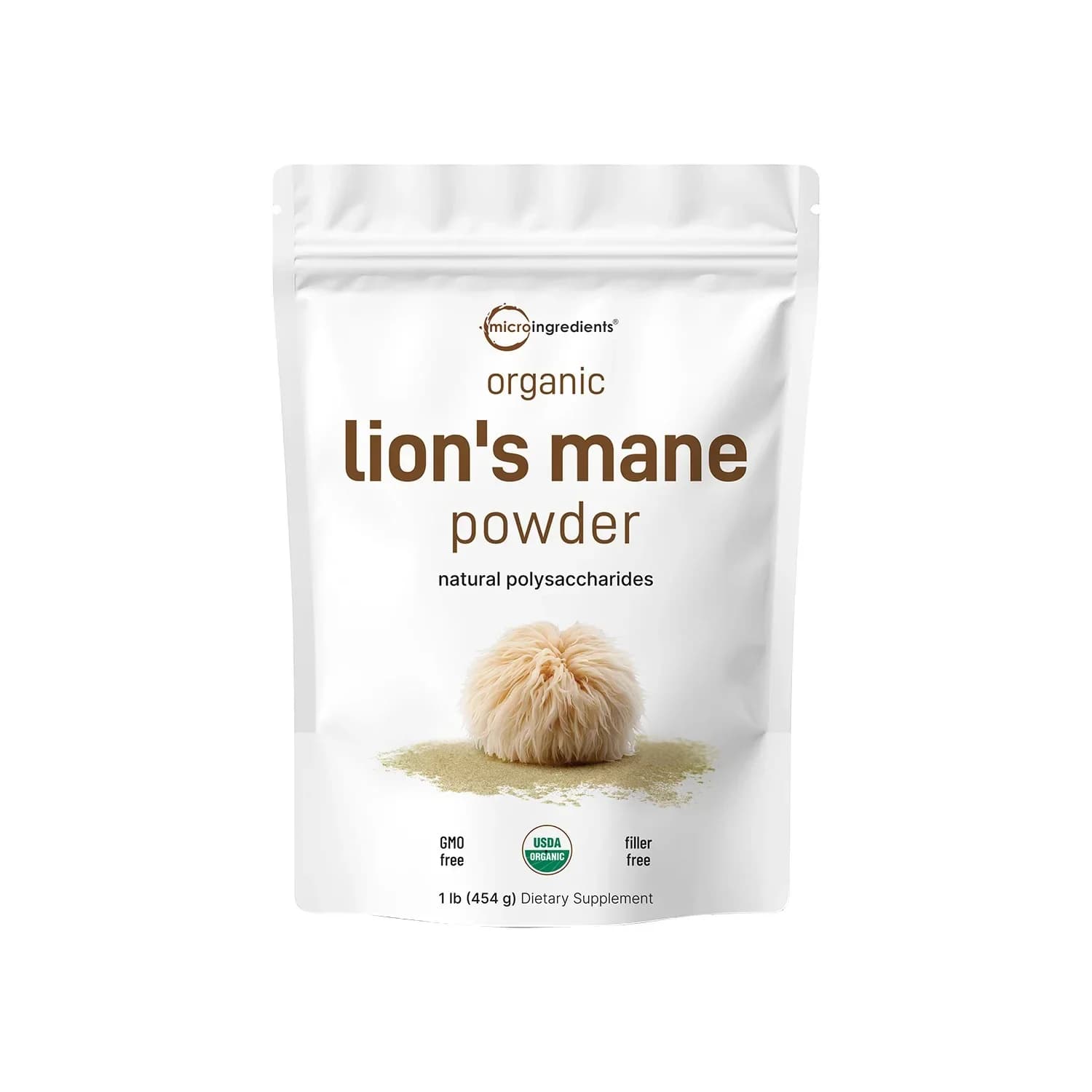
A TikTok Shop best seller giving 1.5 g of organic lion's mane per scoop for about 13 cents, though it includes mycelium and carries a Prop 65 lead warning.
Mixed
Nutrition Reviews score
Weighted across efficacy, quality, value, experience & transparency. See breakdown
We may earn a commission when you buy through these links — it never affects our scores. How we make money
Last reviewed October 26, 2026 by the Nutrition Reviews Editorial Team · How we review
Our verdict
Micro Ingredients makes a gram-level daily dose of organic lion's mane cheap, at about 13 cents a scoop, and its single-ingredient label is easy to use. The weak points are what it leaves out, namely the fruiting body to mycelium split, any beta-glucan figure and published contaminant results, plus a Prop 65 lead warning. Think of it as an inexpensive experiment rather than a proven focus aid, knowing the more encouraging trials used about twice the labeled scoop.
Best for
Skip it if
Our five-factor score out of 10. Factors are weighted by how much they matter to the outcome you’re paying for. Methodology
out of 10
Key ingredients at clinically studied doses, and how strong the evidence is.
Third-party testing and certifications, manufacturing standards, contaminant testing, recall history.
Cost per effective serving compared with category peers.
Taste, mixability, texture and tolerability from aggregated buyer and creator feedback.
Full label disclosure (no proprietary blends), available COAs, honest marketing.
Micro Ingredients Organic Lion's Mane is a single-ingredient powder: each 1.5 g scoop is listed as organic lion's mane extract from the "entire fruiting body, mycelium," with nothing added. The official TikTok Shop listing shows about 154,600 units sold, more than any other lion's mane product in its search results, and USDA records confirm the organic certification. The label does not give the fruiting body to mycelium split, what the mycelium is grown on, an extract ratio or a beta-glucan figure. A retailer listing cites 30% polysaccharides, but that measure can include starch from a grain substrate, a caveat the brand's own buying guide makes.
Human evidence is thin. In a 2009 trial led by a Japanese mushroom company's lab, 30 adults aged 50 to 80 with mild cognitive impairment who took about 3 g a day of dried lion's mane powder for 16 weeks scored better than placebo on a cognitive scale, and the gains faded after they stopped. A 2019 trial of 3.2 g a day of fruiting body powder in healthy adults over 50 improved one of three tests, while small trials in healthy young adults found little effect. One scoop is half those amounts, and part of it is mycelium.
At the brand's $38.95 price, the 1 lb pouch costs about 13 cents a scoop. The brand says it tests for heavy metals and microbes but publishes no results, and the product carries a California Prop 65 warning for lead; notices have alleged lead in more than a dozen of its other powders. Buyers describe a mild, nutty taste that disappears in coffee, tea or smoothies, though it mixes poorly in cold water and some report split pouches. Avoid it with a mushroom allergy, and check with a clinician if pregnant, breastfeeding or taking medication.
| Key ingredient | Per serving | Why it matters |
|---|---|---|
| Organic lion's mane extract (Hericium erinaceus), entire fruiting body and mycelium About half the roughly 3 g a day used in the 2009 and 2019 Japanese trials in older adults; the fruiting body to mycelium split and any extract ratio are not disclosed. | 1.5 g | About half the roughly 3 g a day used in the 2009 and 2019 Japanese trials in older adults; the fruiting body to mycelium split and any extract ratio are not disclosed. |
| Polysaccharides and beta-glucans The front label says "natural polysaccharides" and a retailer listing cites 30%, but no beta-glucan value or certificate is published, and total polysaccharides can include starch from a grain substrate. | — | The front label says "natural polysaccharides" and a retailer listing cites 30%, but no beta-glucan value or certificate is published, and total polysaccharides can include starch from a grain substrate. |
| Hericenones and erinacines Compounds behind lion's mane's nerve-growth findings in lab and animal studies; neither is quantified here, and the one erinacine trial used a specially enriched mycelium. | — | Compounds behind lion's mane's nerve-growth findings in lab and animal studies; neither is quantified here, and the one erinacine trial used a specially enriched mycelium. |
Supplement Facts
Serving Size 1 scoop (1.5g approx.)
Servings Per Container 302
* Percent Daily Values are based on a 2,000 calorie diet. † Daily Value not established.
Other ingredients: None.
Free of: Soy, Dairy, Gluten & Tree nuts.
Testing & quality
Brand states products are third-party lab tested for heavy metals and microorganisms; no named certification (NSF, USP, Informed) and no published certificates of analysis found.
Goals it supports
Independent creators reviewing Organic Lion's Mane Mushroom Powder on YouTube and TikTok.
What we like
Watch-outs
Similar products, ranked by our score.
NeuroGum
Portable, sugar-free caffeine gum with a fully disclosed, research-backed pairing: 40 mg of caffeine plus 60 mg of L-theanine in every piece.
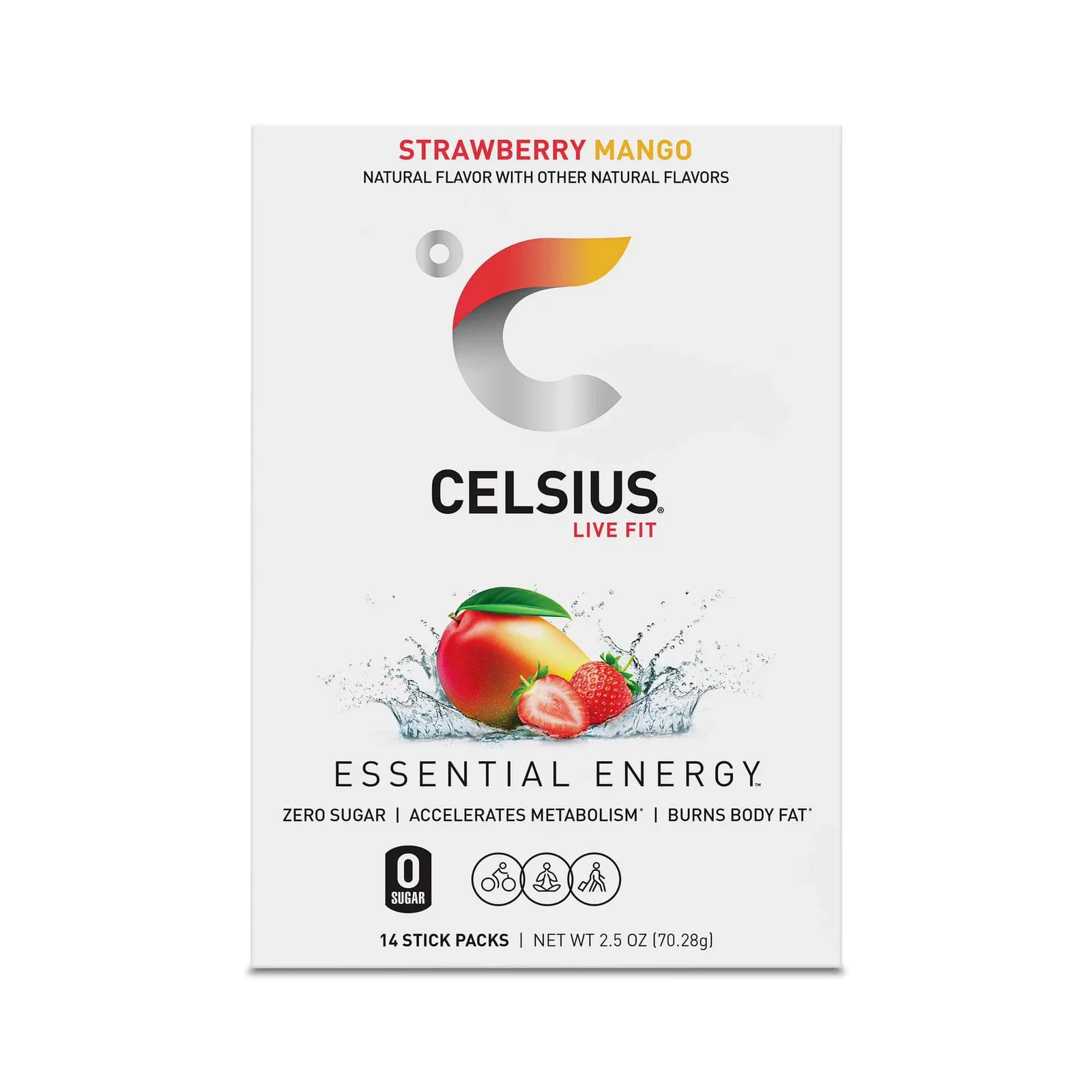
A cheap, portable way to get 200 mg of caffeine with no sugar, but its fat-burning claims rest on company-funded studies and key amounts go undisclosed.
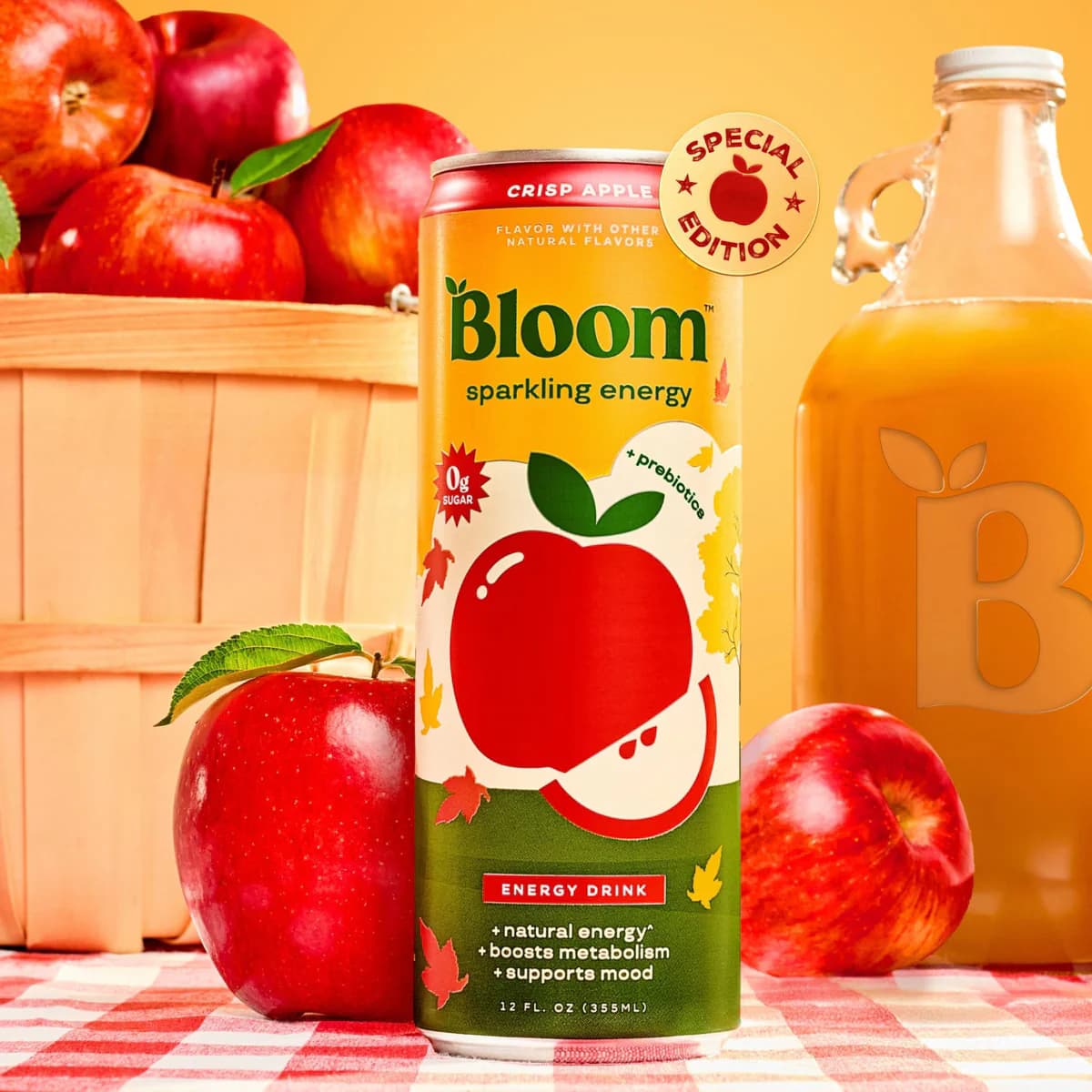
Bloom Nutrition
Bloom's seasonal Crisp Apple can: 180 mg natural caffeine, 10 calories, zero sugar, plus L-theanine, ginseng and a prebiotic fiber in a cider-style soda.
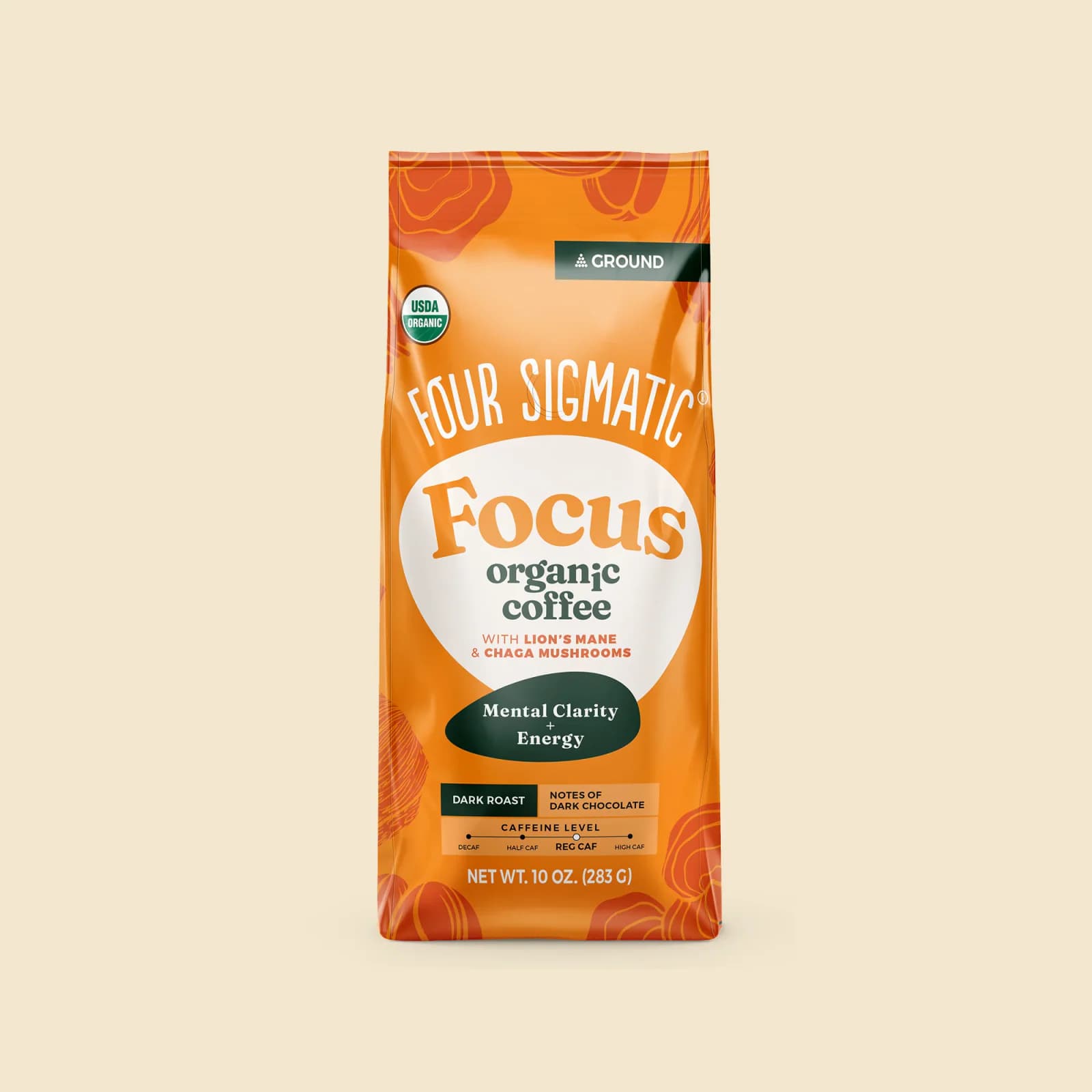
Four Sigmatic
Real organic dark-roast coffee (about 150 mg caffeine per cup) with 250 mg each of lion's mane and chaga; tastes like coffee, but mushroom doses are modest.
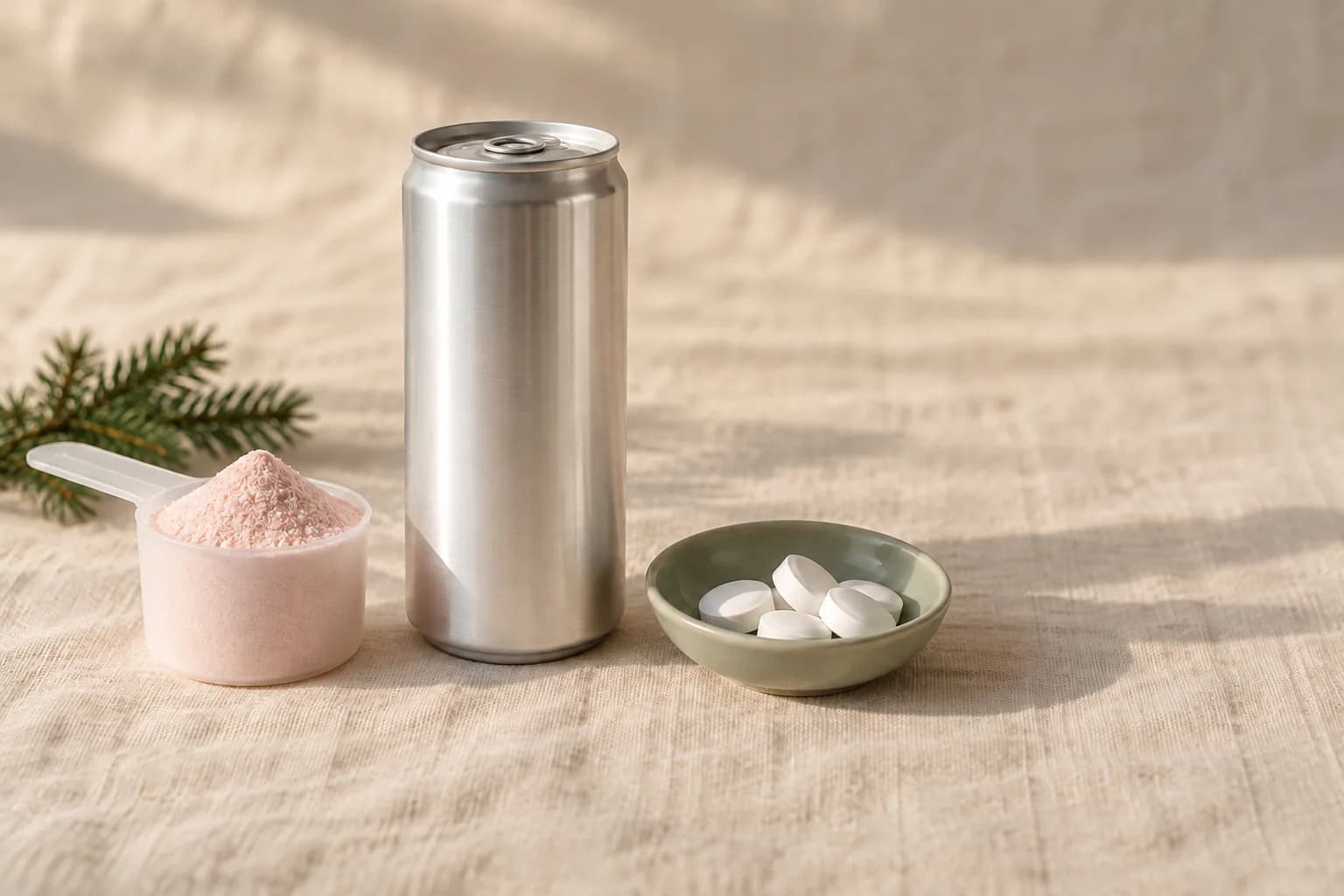
Pre-workout, an energy drink or a plain caffeine tablet: how the three compare on milligrams per serving, cost per 100 mg, extras, labelling and safety.
Nutrition Reviews Editorial Team · Oct 13, 2026
Tianeptine is an unapproved opioid-acting drug sold as a nootropic in gas stations. What the FDA has warned, the names to watch for, and what to do if you bought one.
Nutrition Reviews Editorial Team · Oct 7, 2026
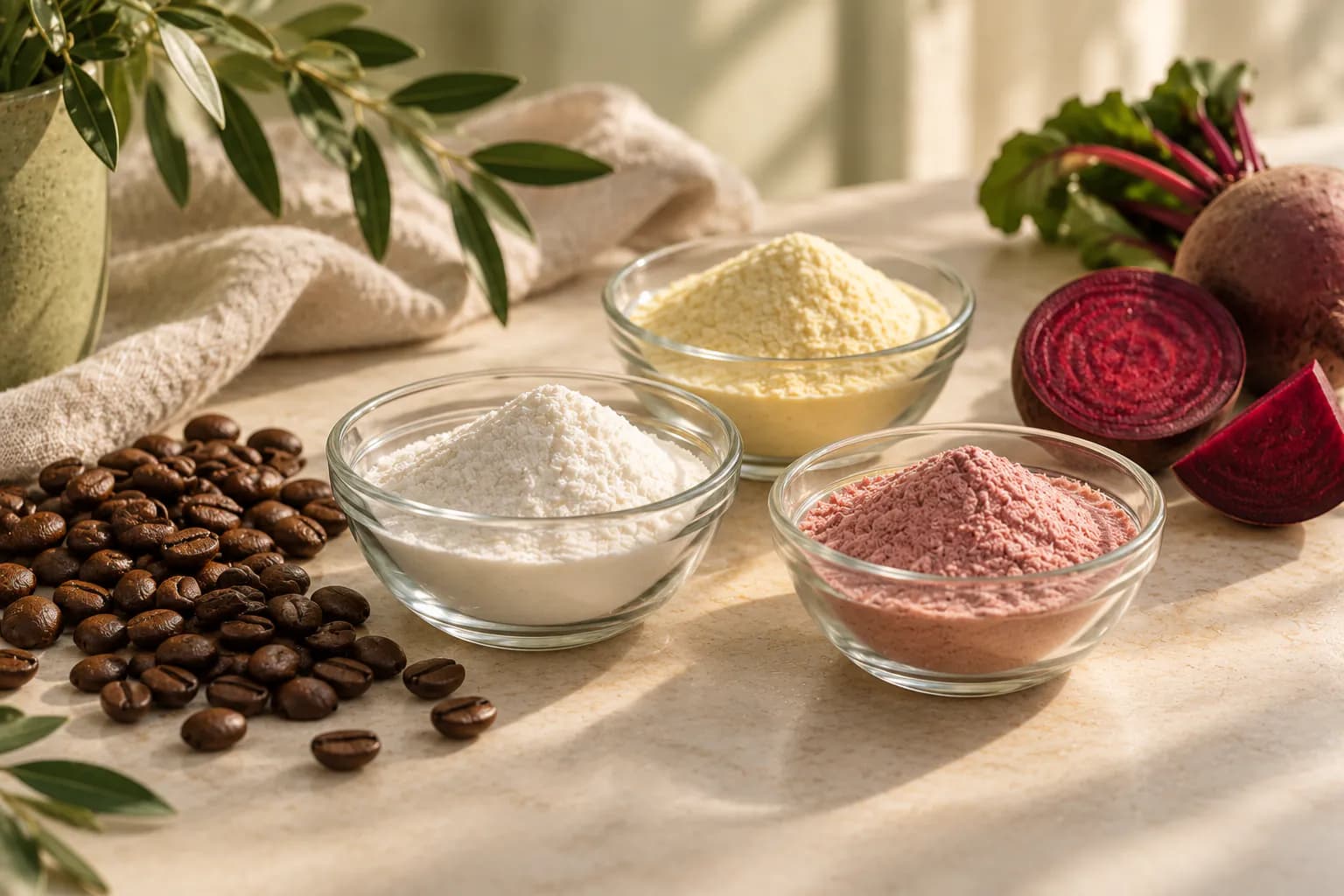
Caffeine dosing by body weight, plus what research says about creatine, beta-alanine, citrulline, nitrates, tyrosine, proprietary blends and stimulant safety.
Nutrition Reviews Editorial Team · Sep 28, 2026