

#1 Best Overall
NeuroGum
Energy & Focus Gum
7.2Mixed
Portable, sugar-free caffeine gum with a fully disclosed, research-backed pairing: 40 mg of caffeine plus 60 mg of L-theanine in every piece.
4 videos Shop$0.46/serving
Mushroom coffees, nootropics and caffeine gums, judged on the evidence
Top picks
NeuroGum
Portable, sugar-free caffeine gum with a fully disclosed, research-backed pairing: 40 mg of caffeine plus 60 mg of L-theanine in every piece.
Four Sigmatic
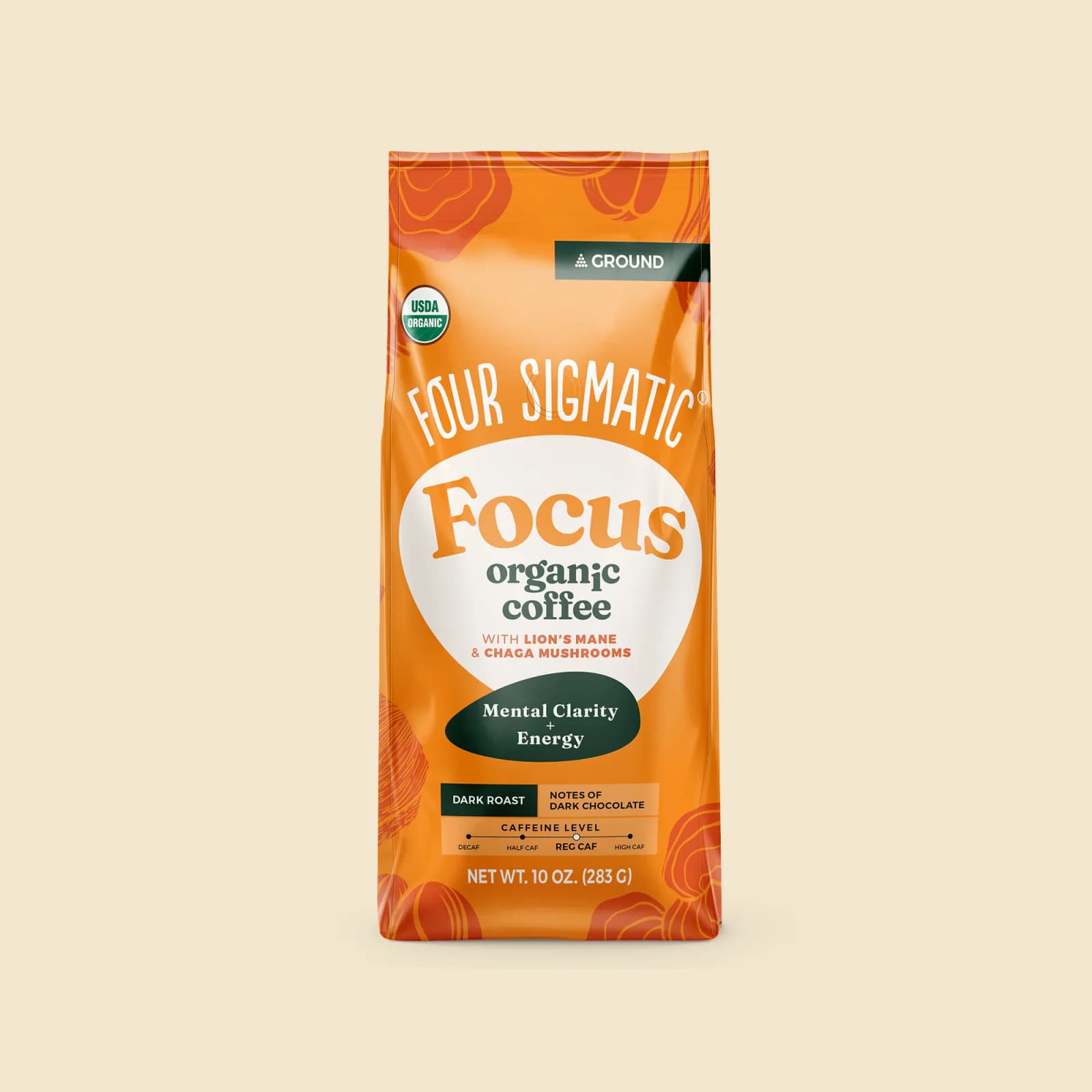
Real organic dark-roast coffee (about 150 mg caffeine per cup) with 250 mg each of lion's mane and chaga; tastes like coffee, but mushroom doses are modest.

Everyday Dose
A creamy, low-caffeine (45 mg) instant coffee with collagen and L-theanine; its chaga and lion's mane sit inside a 7.3 g proprietary blend.
The essentials
Energy and focus products promise sharper thinking and steadier energy than a regular cup of coffee. The category spans mushroom coffees, nootropic capsules, ready-to-drink shots and caffeine gums and mints.
The honest picture is that caffeine does most of the work. The International Society of Sports Nutrition notes that caffeine improves attention and vigilance in most people, and a meta-analysis of randomized trials found moderate short-term gains in alertness and attention when caffeine was paired with L-theanine. Evidence for most other ingredients is thinner. Functional mushrooms such as lion's mane have been tested in only a handful of small human trials, largely in older adults with cognitive decline, and products usually contain far less than the amounts studied. Many nootropic formulas also hide their doses in proprietary blends.
These products can suit people who want a gentler caffeine lift or a convenient daily ritual, but they are not treatments for ADHD, fatigue or cognitive decline. Check the caffeine per serving, look for disclosed doses, and be cautious if you are pregnant, take medications or are sensitive to stimulants.
Every product
6 products
NeuroGum
Portable, sugar-free caffeine gum with a fully disclosed, research-backed pairing: 40 mg of caffeine plus 60 mg of L-theanine in every piece.
Four Sigmatic
Real organic dark-roast coffee (about 150 mg caffeine per cup) with 250 mg each of lion's mane and chaga; tastes like coffee, but mushroom doses are modest.
Everyday Dose
A creamy, low-caffeine (45 mg) instant coffee with collagen and L-theanine; its chaga and lion's mane sit inside a 7.3 g proprietary blend.

RYZE
A smooth, low-caffeine (48 mg) organic mushroom coffee that went viral, but its 2 g six-mushroom blend is far below doses used in research.

Onnit
Onnit's Joe Rogan-backed, caffeine-free nootropic; most ingredients sit in three proprietary blends, and the doses that are disclosed are small.
Magic Mind
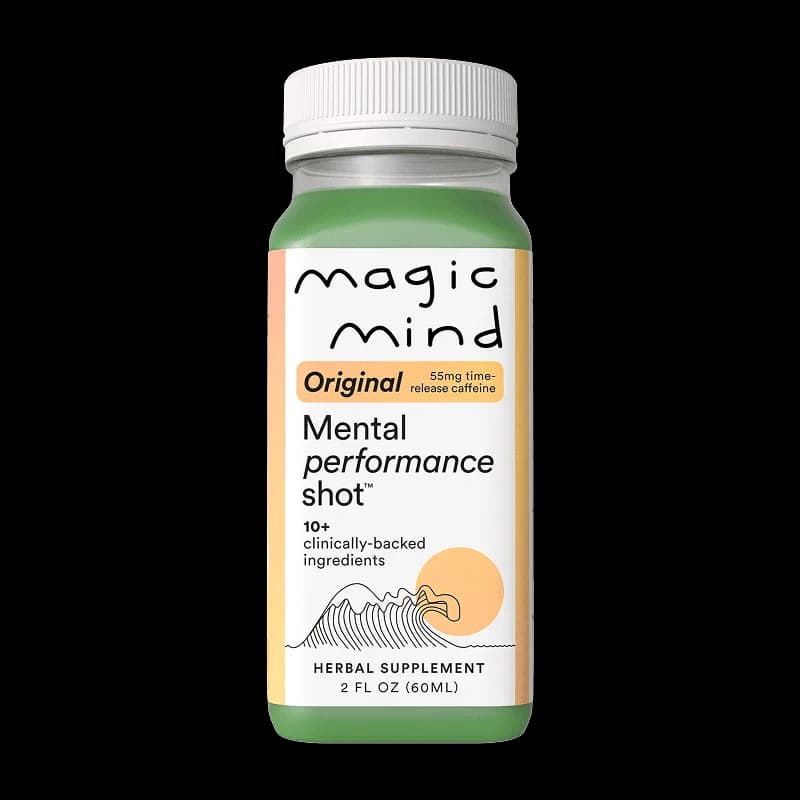
A pricey 2 oz nootropic shot with 55 mg caffeine and 10+ adaptogens, but its actives sit in an undisclosed 11.7 g blend and it costs about $5 a shot.
Buying guide
The five things we look at first — and what they mean for you.
Most of the energy you feel comes from caffeine, so find the exact milligrams. Mushroom coffees range from about 45–50 mg per serving to around 150 mg per brewed cup, gums and shots often provide 40–60 mg, and high-strength versions can reach 100–165 mg. Lower-caffeine options can suit people who get jittery, but they also deliver a milder lift.
Lion's mane, chaga, cordyceps and reishi look promising in lab research, but human trials are few, small and usually use gram-level doses of a single species over several weeks. Blends that split one or two grams across several mushrooms are unlikely to match those studies. Enjoy mushroom coffee for its taste or lower caffeine rather than for promised brain benefits.
Many focus products use proprietary blends that list only a total weight. Without individual doses you cannot compare them with research, and small amounts of headline ingredients are common. Favor products that list each active ingredient in milligrams, such as clearly labeled caffeine and L-theanine gums, and be skeptical of long ingredient lists packed into a single capsule or shot.
Several popular ingredients are pharmacologically active. Huperzine A affects acetylcholine, adaptogens such as ashwagandha can interact with some medications, and caffeine adds up across products. Anyone who is pregnant, breastfeeding, under 18, managing a medical condition or taking prescription drugs should check with a clinician before using nootropics or adaptogen blends.
A cup of home-brewed coffee costs well under a dollar, while mushroom coffees typically run about $1.30–1.50 per serving and nootropic shots around $5. Ask what the premium buys: disclosed, research-level doses and third-party testing are worth paying for, but branding, influencer marketing and vague "clinically backed" claims are not.
Head to head
Ingredients
Video reviews
Key sources
Learn
Caffeine dosing by body weight, plus what research says about creatine, beta-alanine, citrulline, nitrates, tyrosine, proprietary blends and stimulant safety.
Nutrition Reviews Editorial Team · Sep 28, 2026
Ashwagandha has real trials for stress and sleep, rare but serious liver risks and growing regulatory scrutiny. What extract names mean and which doses were studied.
Nutrition Reviews Editorial Team · Sep 28, 2026

Collagen has dozens of trials behind it, but much of the research is industry-funded. What holds up for skin, joints and hair, plus the doses studies used.
Nutrition Reviews Editorial Team · Sep 28, 2026
Minimum score