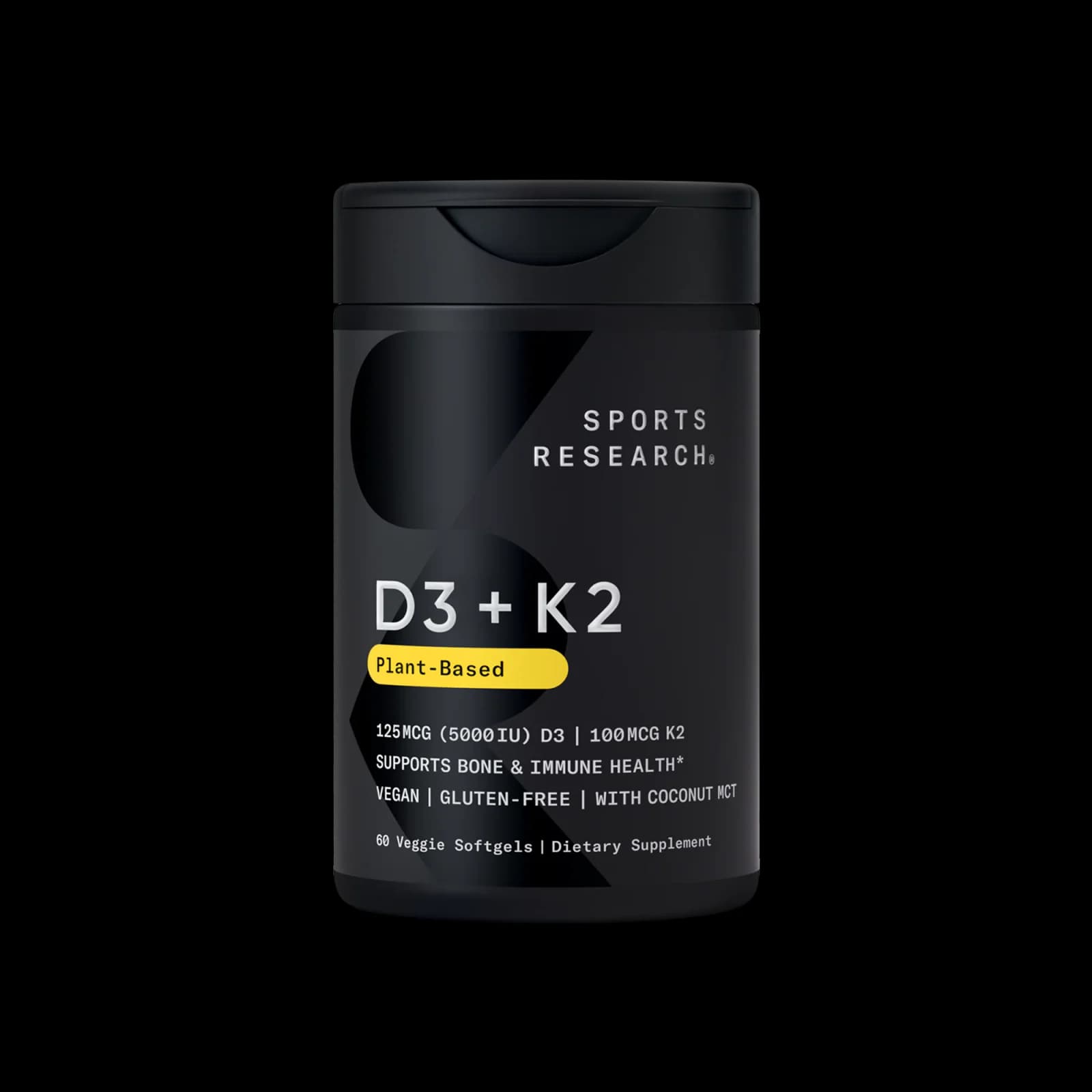
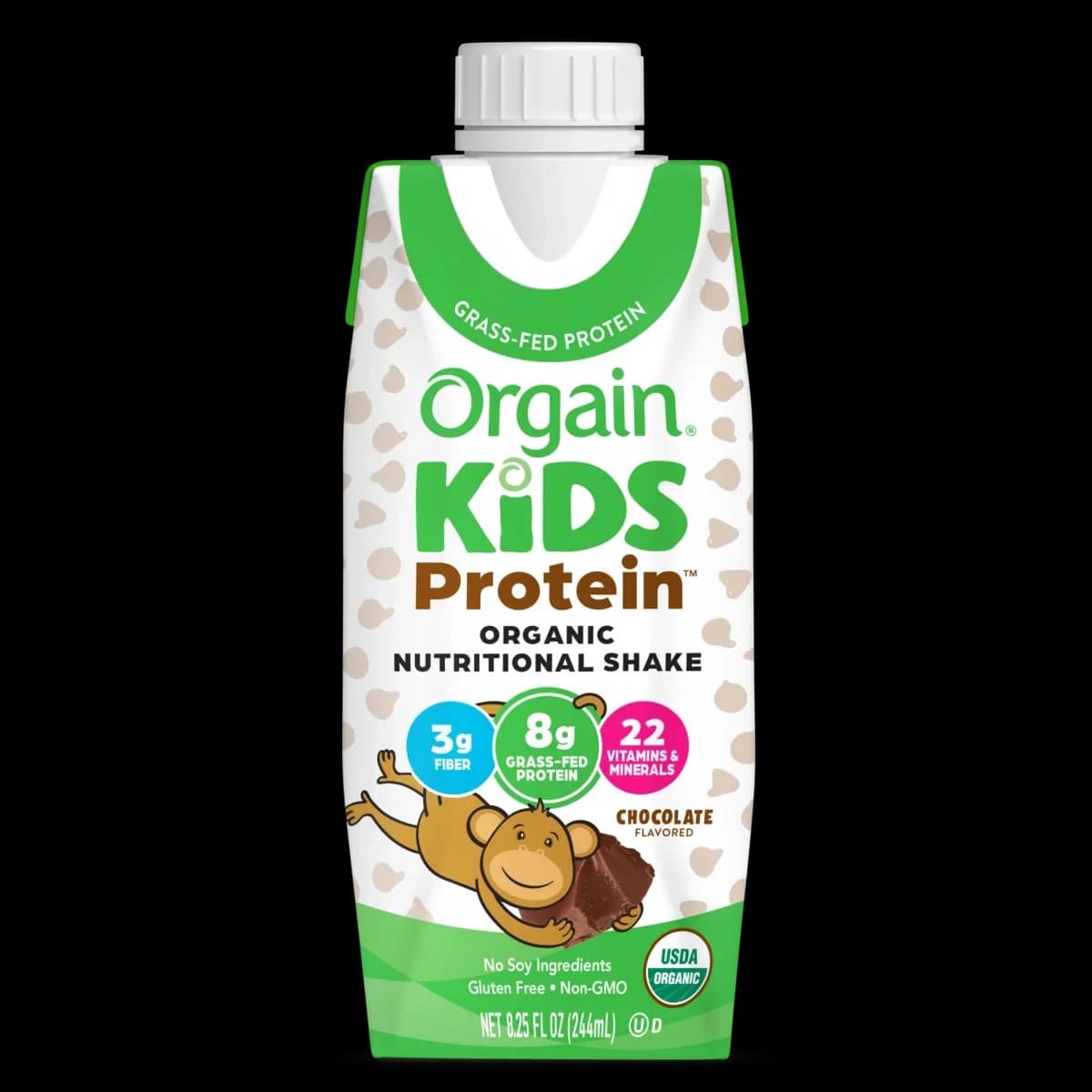
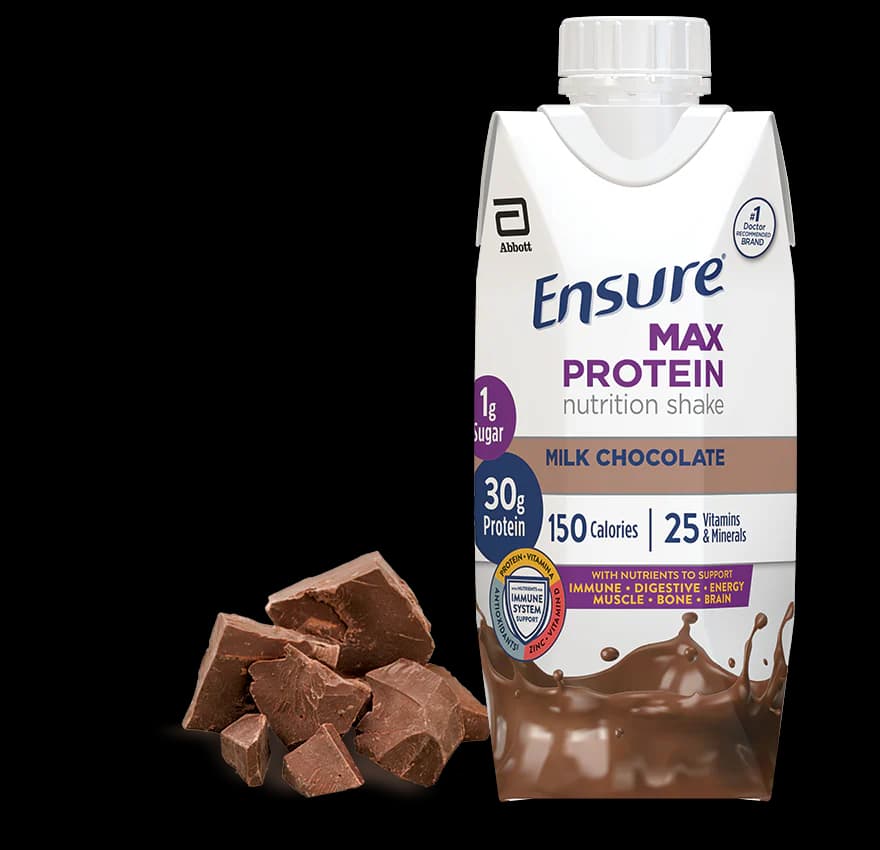
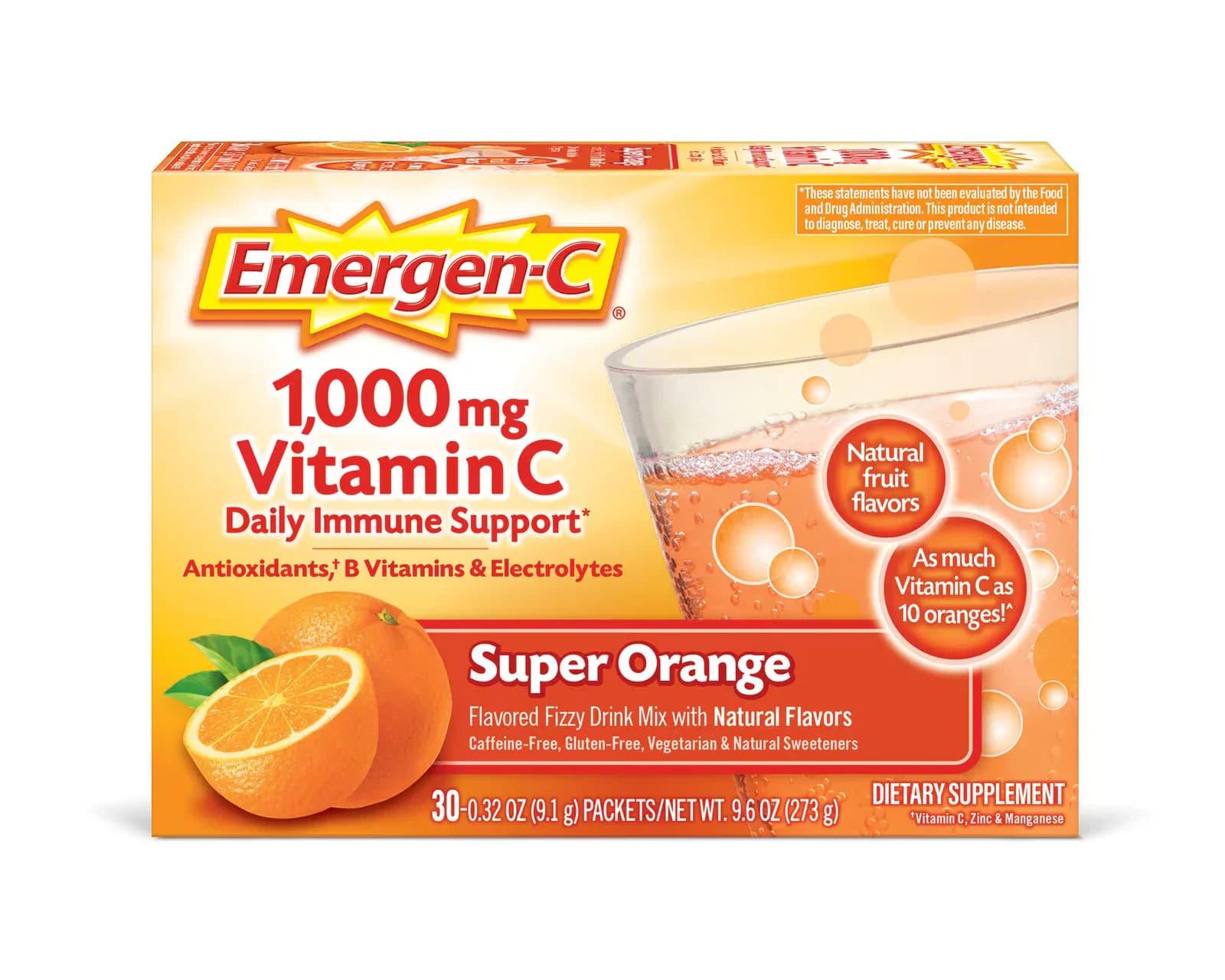
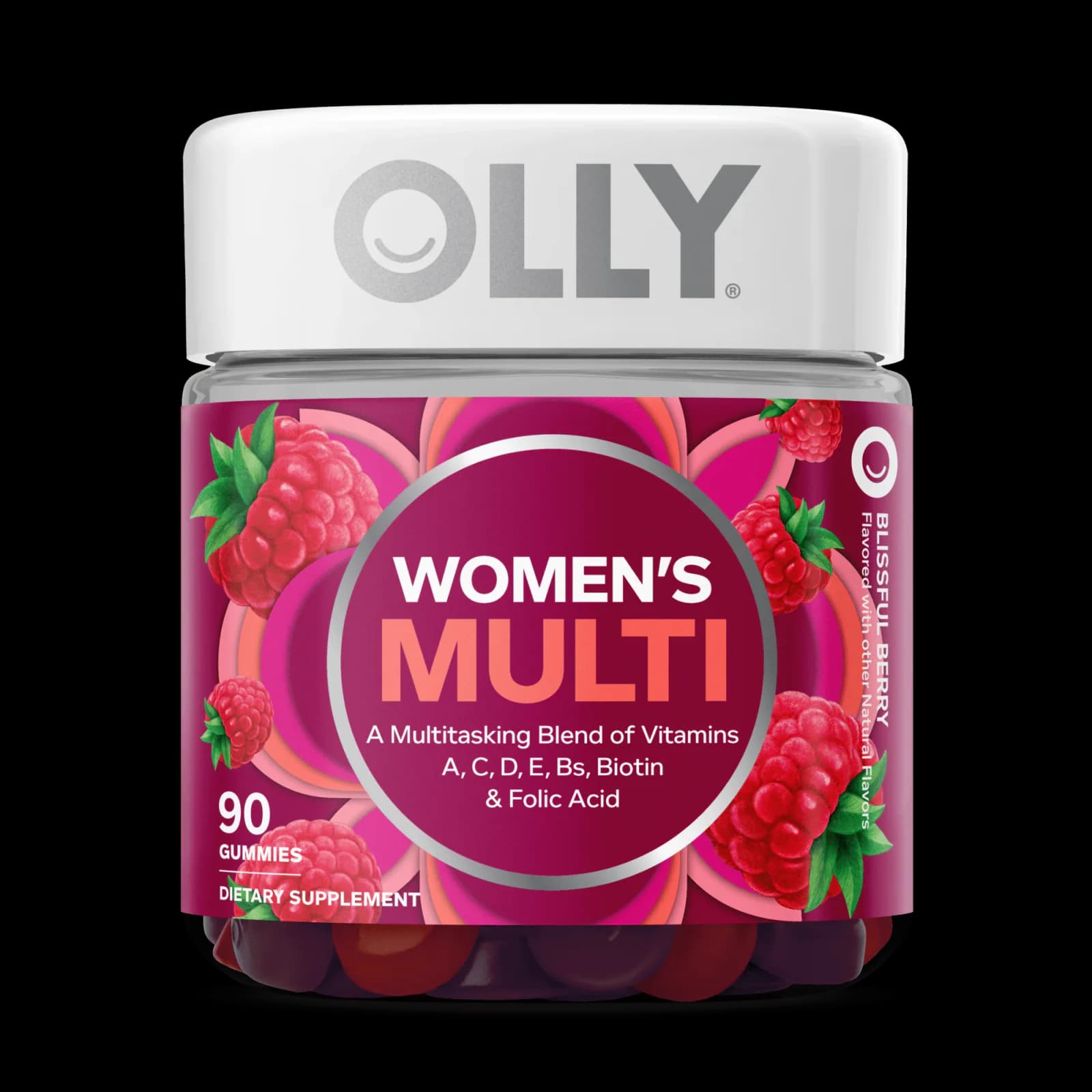
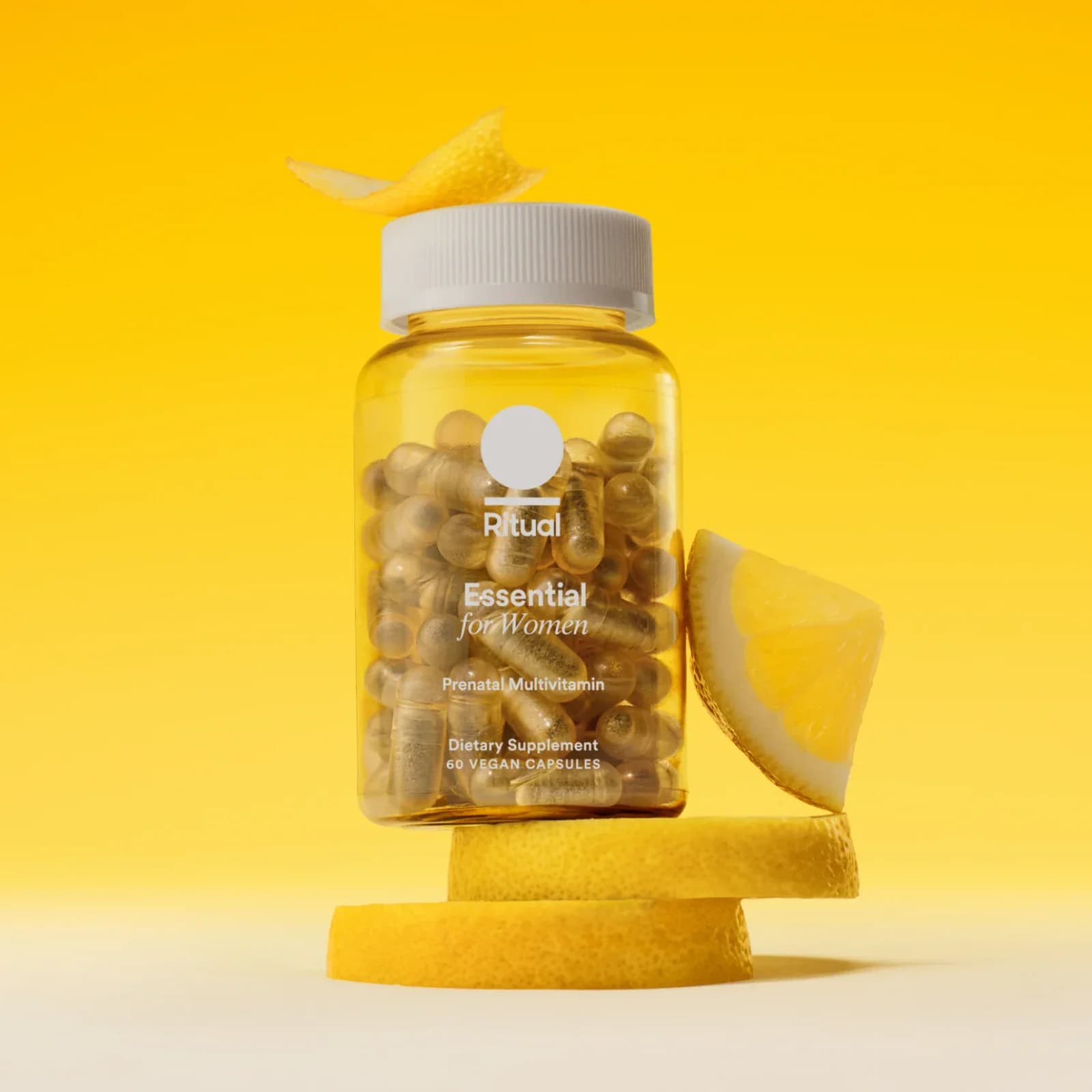
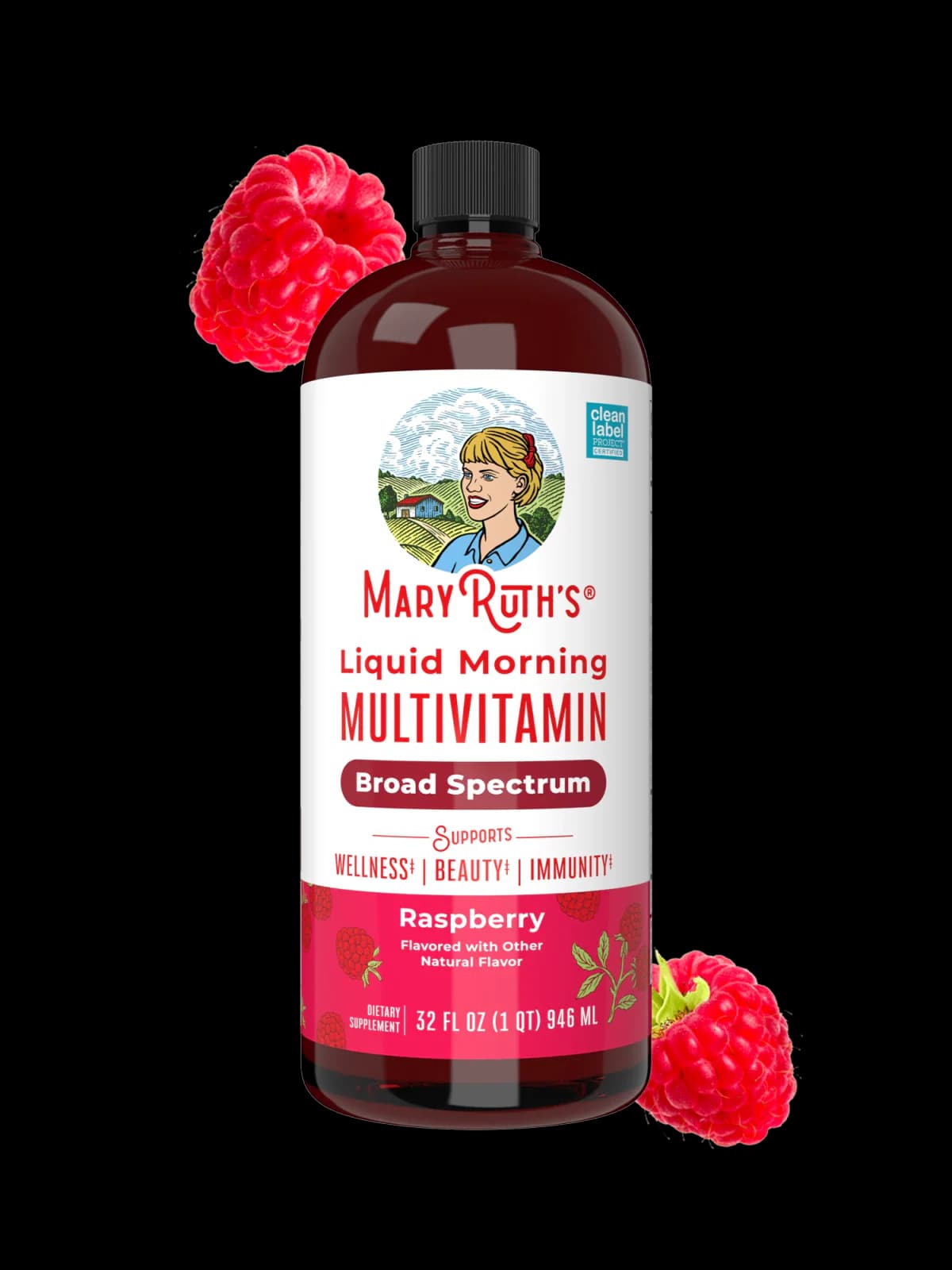
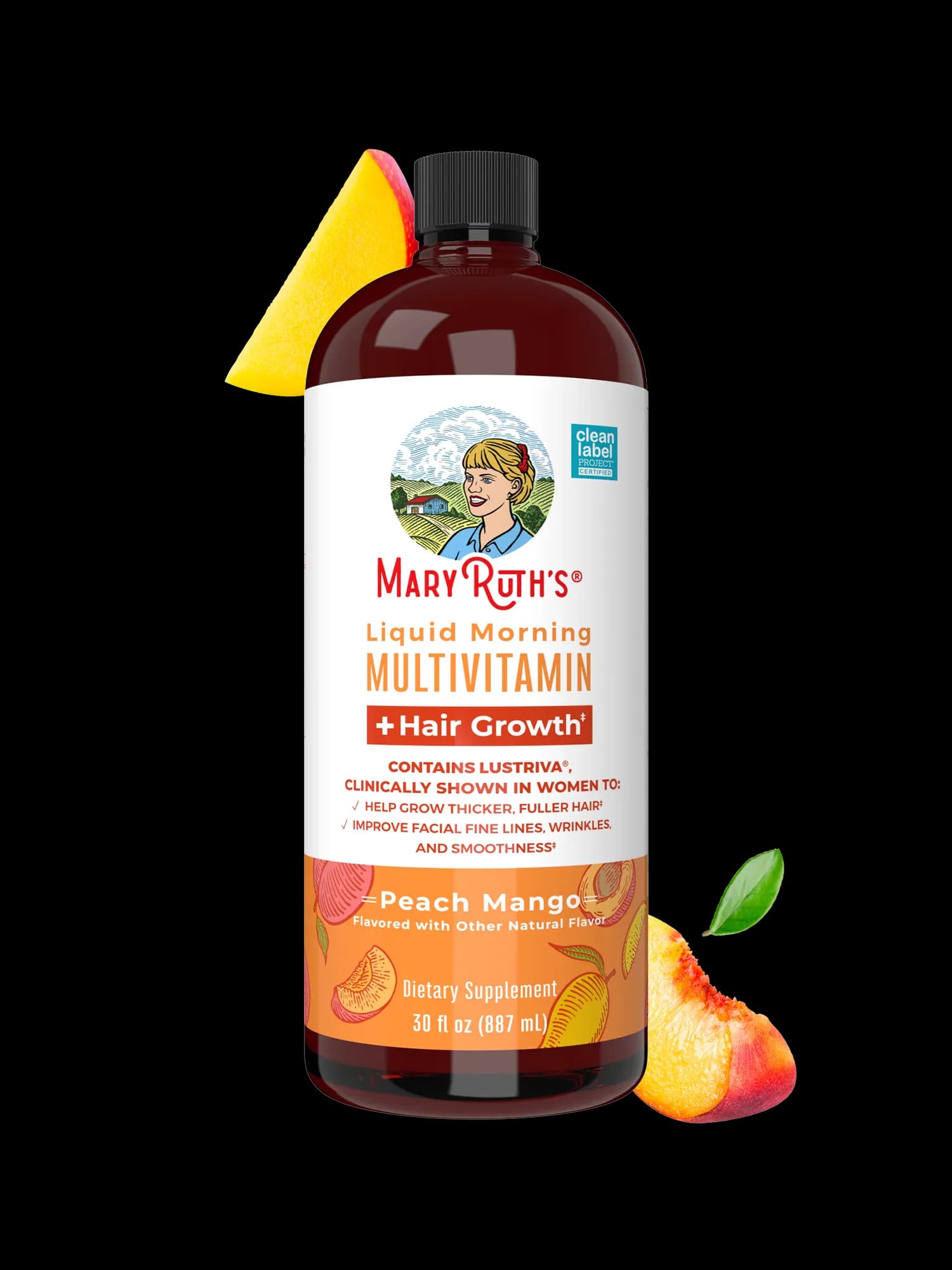
22 products we’ve reviewed list vitamin d as a key ingredient. Here’s what it does, what the research uses — and how much each product actually contains.
What it is
Helps the body absorb calcium and maintain bones. It is made in skin exposed to sunlight and found naturally in few foods.
What the research uses
Adults need 15–20 mcg (600–800 IU) a day. The upper limit for adults is 100 mcg (4,000 IU) a day.
Educational information, not medical advice. Talk to a healthcare professional before starting a supplement, especially if you are pregnant, nursing or take medication.
10 mcg (label prints 10mg)Vitamin D2 (as ergocalciferol)
Gummy
5.5
Amounts are per serving as printed on each label. “Not disclosed” usually means the ingredient sits inside a proprietary blend.
Questions people ask
How much vitamin d do studies use?
Adults need 15–20 mcg (600–800 IU) a day. The upper limit for adults is 100 mcg (4,000 IU) a day.
Which vitamin d supplement scores highest?
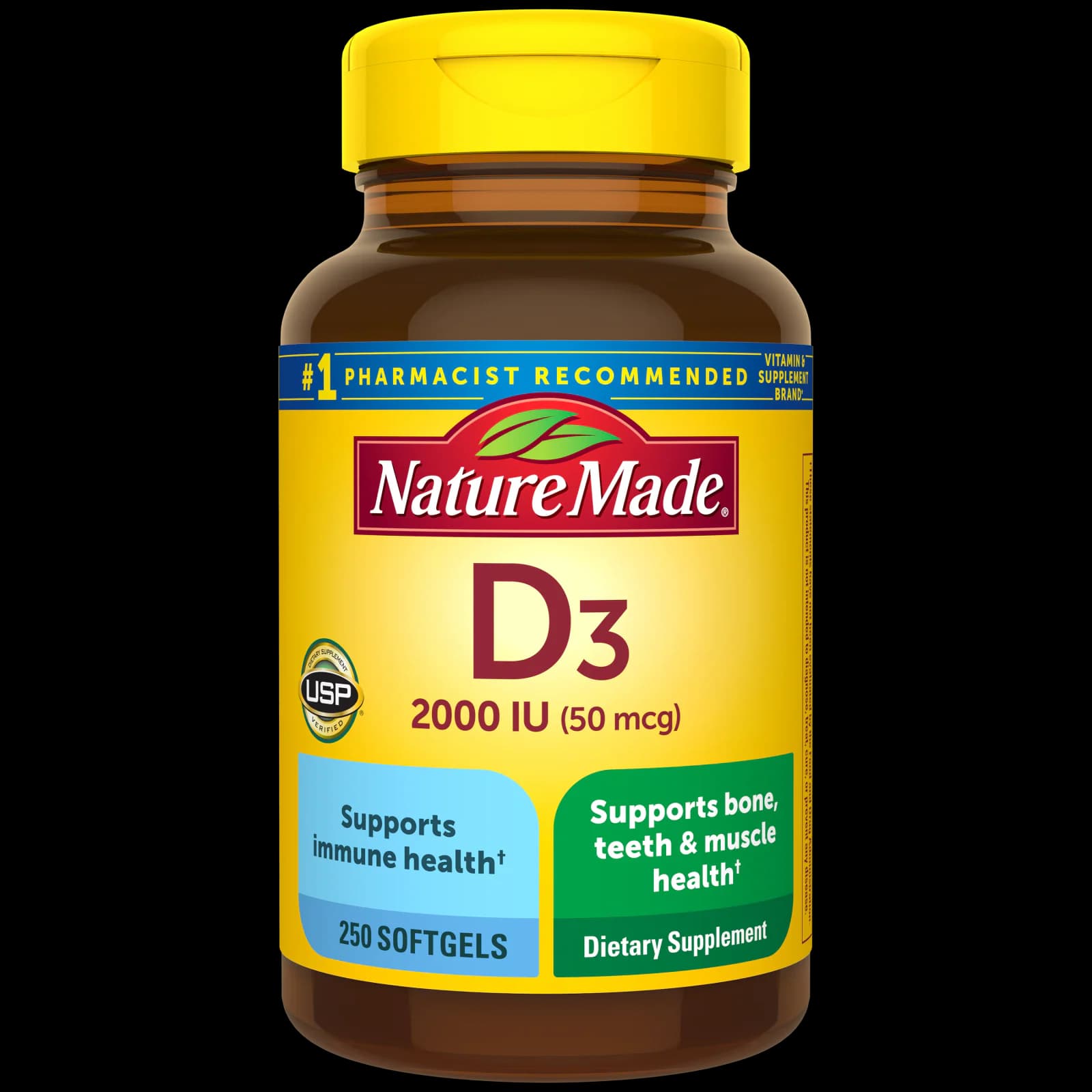
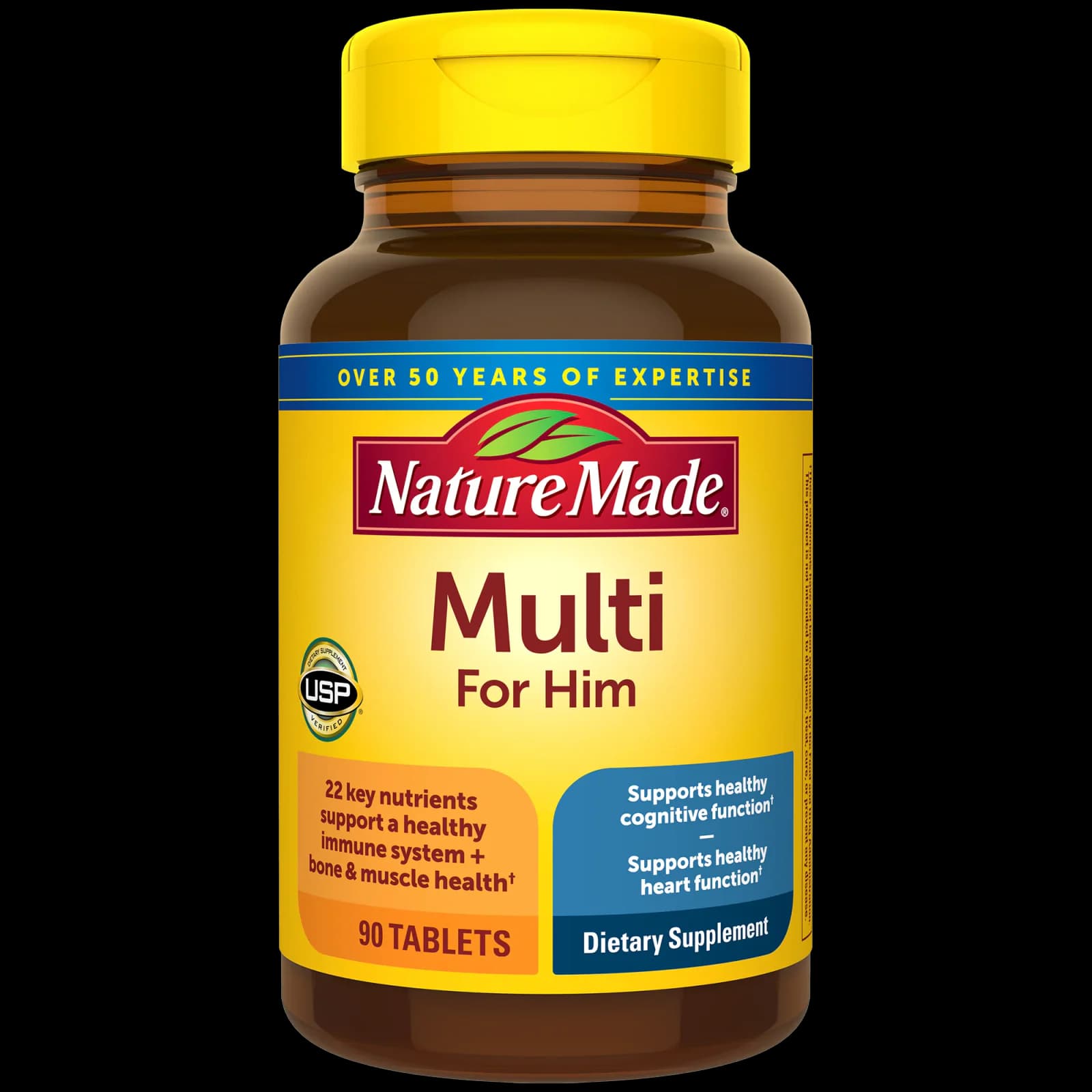
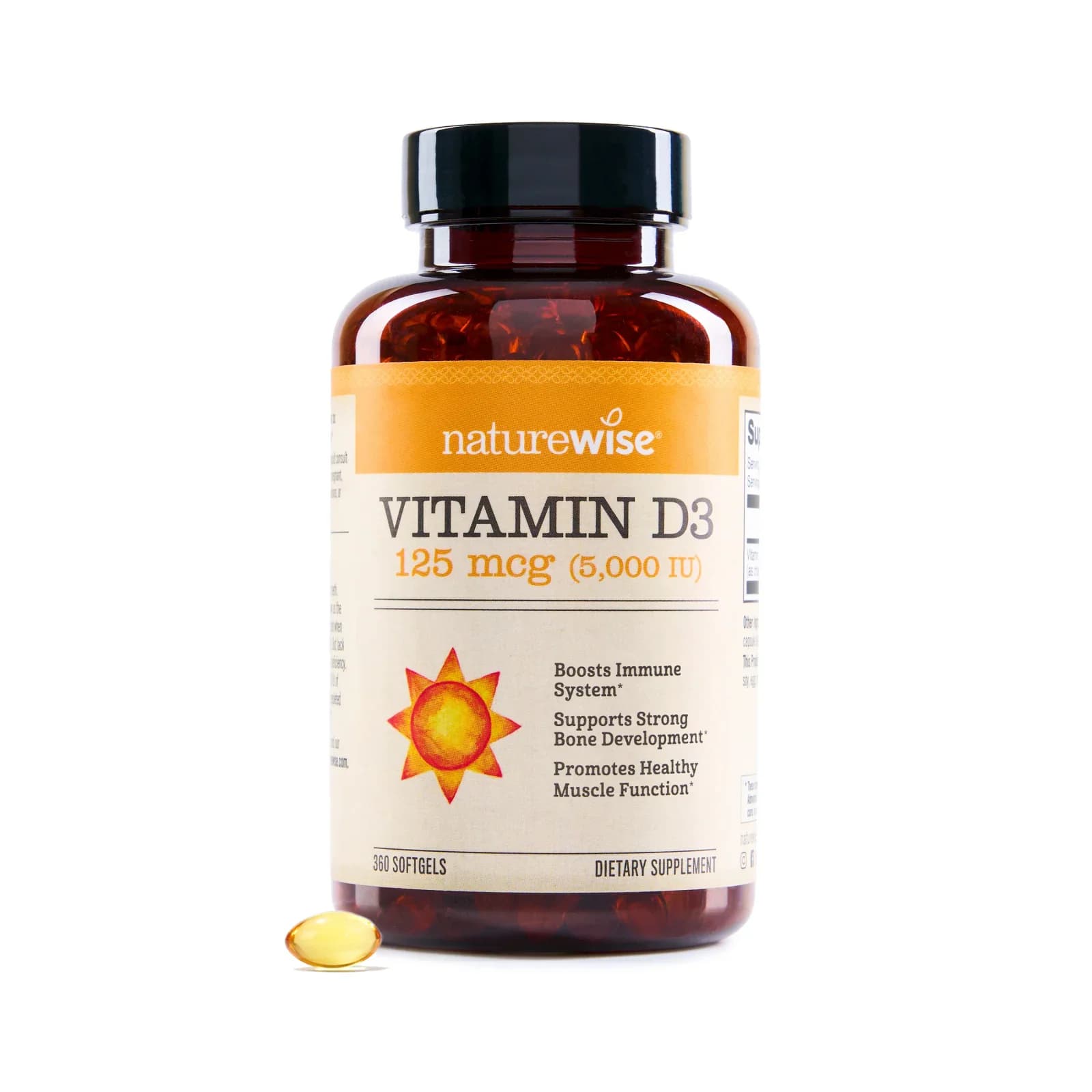
In our reviews, Nature Made Vitamin D3 2000 IU Softgels scores highest at 9.0/10, followed by Nature Made Multi for Him (8.5) and NatureWise Vitamin D3 5000 IU Softgels (8.5). Scores weigh efficacy, quality, value, experience and transparency — not just the dose.
How much vitamin d is in these products?
It varies by product and serving size — for example Nature Made Vitamin D3 2000 IU Softgels (50 mcg (2,000 IU)), Nature Made Multi for Him (25 mcg (1,000 IU)), NatureWise Vitamin D3 5000 IU Softgels (125 mcg (5,000 IU)). The table above lists the amount per serving for every product we've reviewed.
How much vitamin D3 you need, when to take it, whether K2 (MK-7) adds anything, and who should test or skip it, based on the latest guidelines and trials.